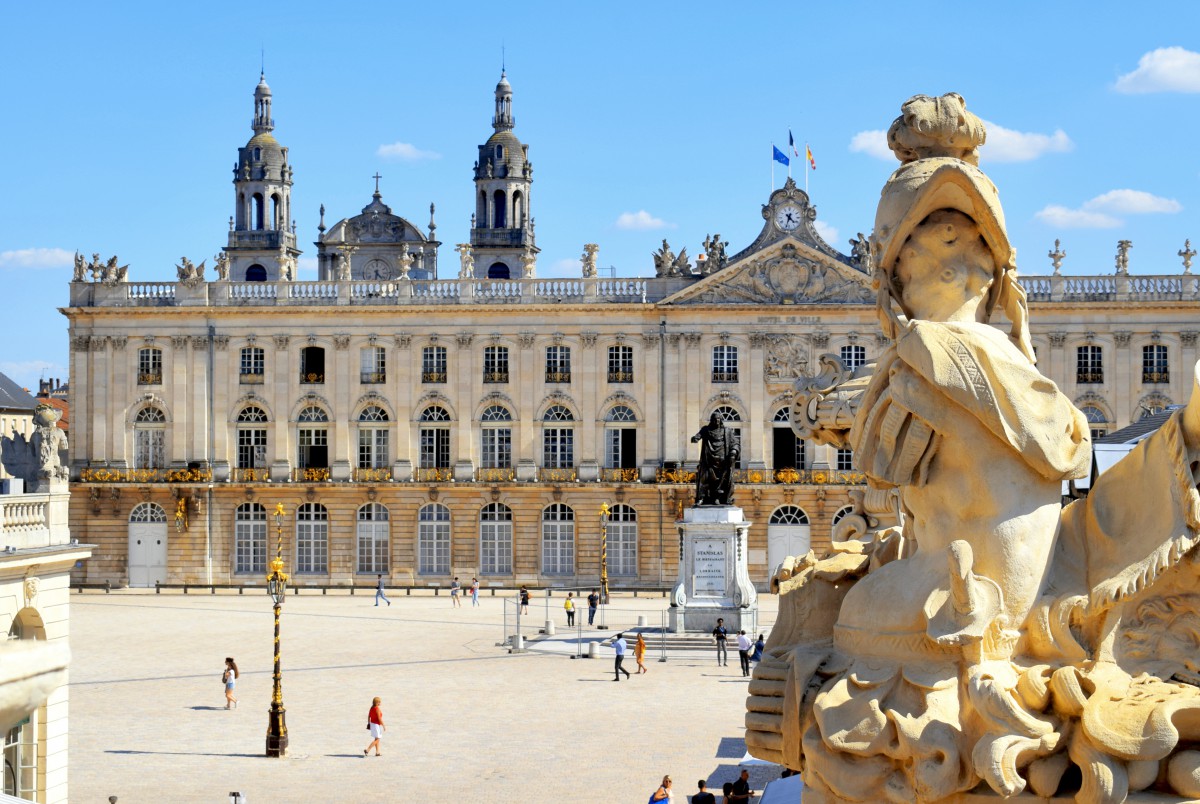


The 18th-century district of Nancy is one of the most elegant urban ensembles in France.
Created largely under Stanislas Leszczynski between 1752 and 1756, it links the medieval Old Town with the Renaissance Ville Neuve through three magnificent squares: Place Stanislas, Place de la Carrière and Place d’Alliance.
Listed as a UNESCO World Heritage Site since 1983, the ensemble is celebrated not only for its architecture but also as an outstanding example of Enlightenment town planning.
In this guide, I will take you on a walk through its squares, monuments, gilded gates and quieter corners before continuing to the nearby Pépinière Park and Nancy Cathedral.
Why Nancy’s eighteenth-century district is so important
To understand this part of Nancy, we first need to meet the man behind it: Stanislas Leszczynski.

The statue of Stanislas © French Moments
Stanislas had twice occupied the Polish throne, but political events had left him, in UNESCO’s memorable phrase, a “king without a kingdom”. He was also the father-in-law of King Louis XV of France.
In 1737, Stanislas became Duke of Lorraine and Bar for life. He settled in Lorraine and remained its ruler until his death in 1766, when the duchy became part of France.
When Stanislas arrived, Nancy consisted of two distinct urban areas.
- To the north stood the medieval Old Town, or Ville Vieille.
- To the south lay the more regular Ville Neuve, developed from the late sixteenth century under Duke Charles III.
The two districts were still separated by defensive structures and had never been satisfactorily joined.

Map of Nancy in 1645 showing the old town (left) and the new town (right)
Stanislas saw an opportunity to transform this awkward gap into a prestigious urban ensemble dedicated to Louis XV. His architect, Emmanuel Héré, designed a sequence of squares, streets and monuments that would connect the two parts of Nancy.
The project was both ceremonial and practical. It glorified the French king through statues, triumphal architecture and royal symbols, but it also created public spaces serving the town hall, courts and other institutions.
This combination of grandeur and usefulness is one reason UNESCO regards Nancy’s three squares as an outstanding example of Enlightenment urban planning.
What to see in the 18th-century district of Nancy
The three UNESCO squares lie within a very compact area. You can walk through them in less than an hour, although I recommend allowing at least 90 minutes to appreciate the architecture, fountains and decorative details.
The most logical place to begin is Place Stanislas.
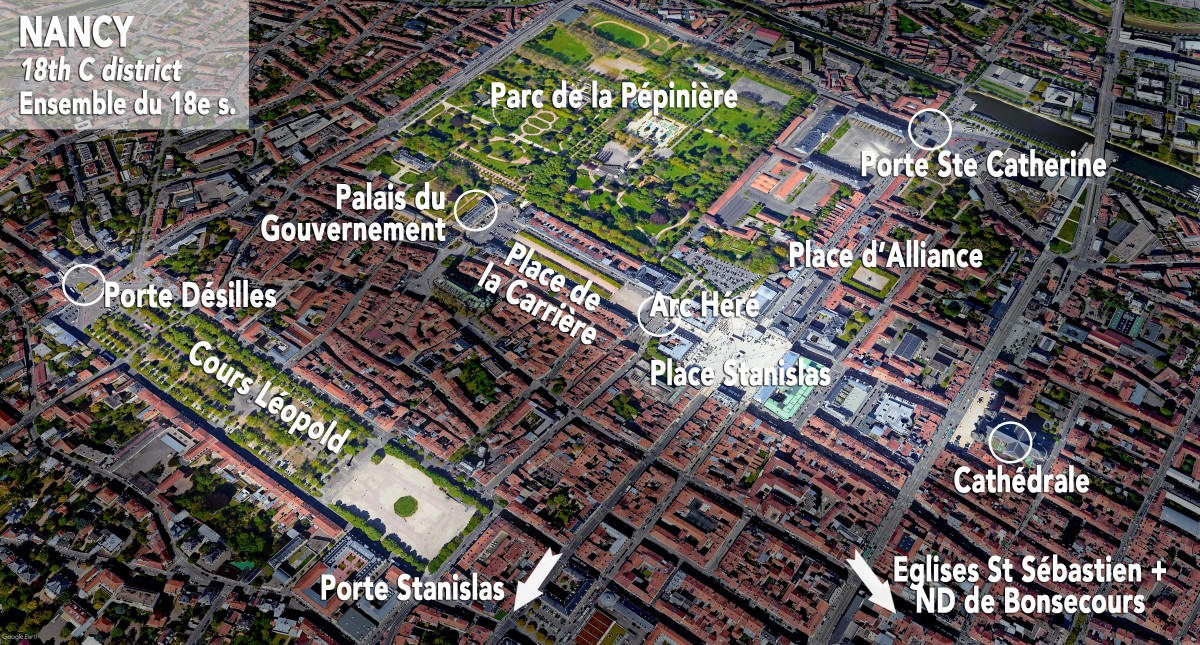
© Google Earth Satellite View
Place Stanislas: the grand centrepiece
Stepping into Place Stanislas for the first time is one of those memorable moments that France does particularly well.
The square opens before you like an enormous outdoor reception room. Pale classical façades surround a vast paved space, while golden gates decorate the corners. Cafés spread their tables beneath the arcades, people cross the square on their way to work, and visitors attempt to photograph everything at once.
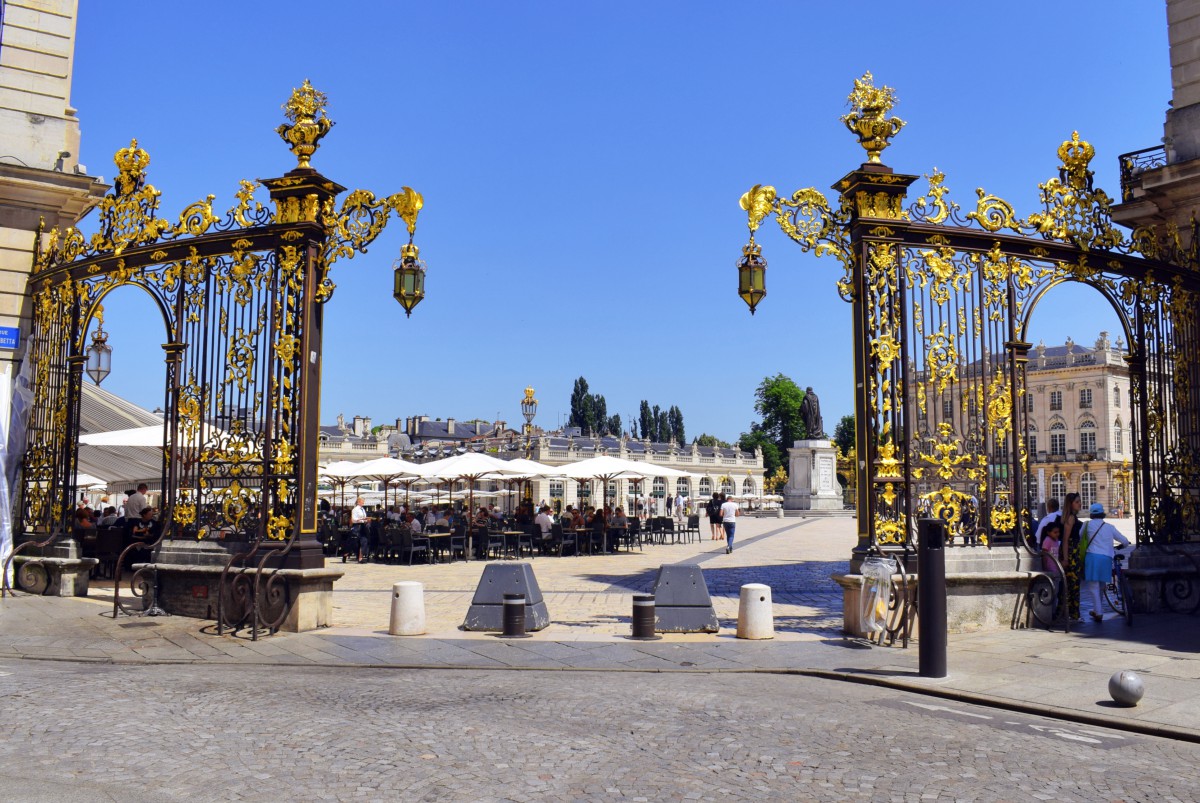
Place Stanislas in Nancy © French Moments
Place Stanislas has always held a special place in my heart. I was born in Nancy and have crossed the square countless times, first as a child and later whenever I returned to the city.
It has changed greatly over the years. Until the early 2000s, cars crossed the square and a rather unattractive car park occupied its centre.
Following a major restoration completed in 2005, Place Stanislas was pedestrianised and returned much more closely to its original appearance.
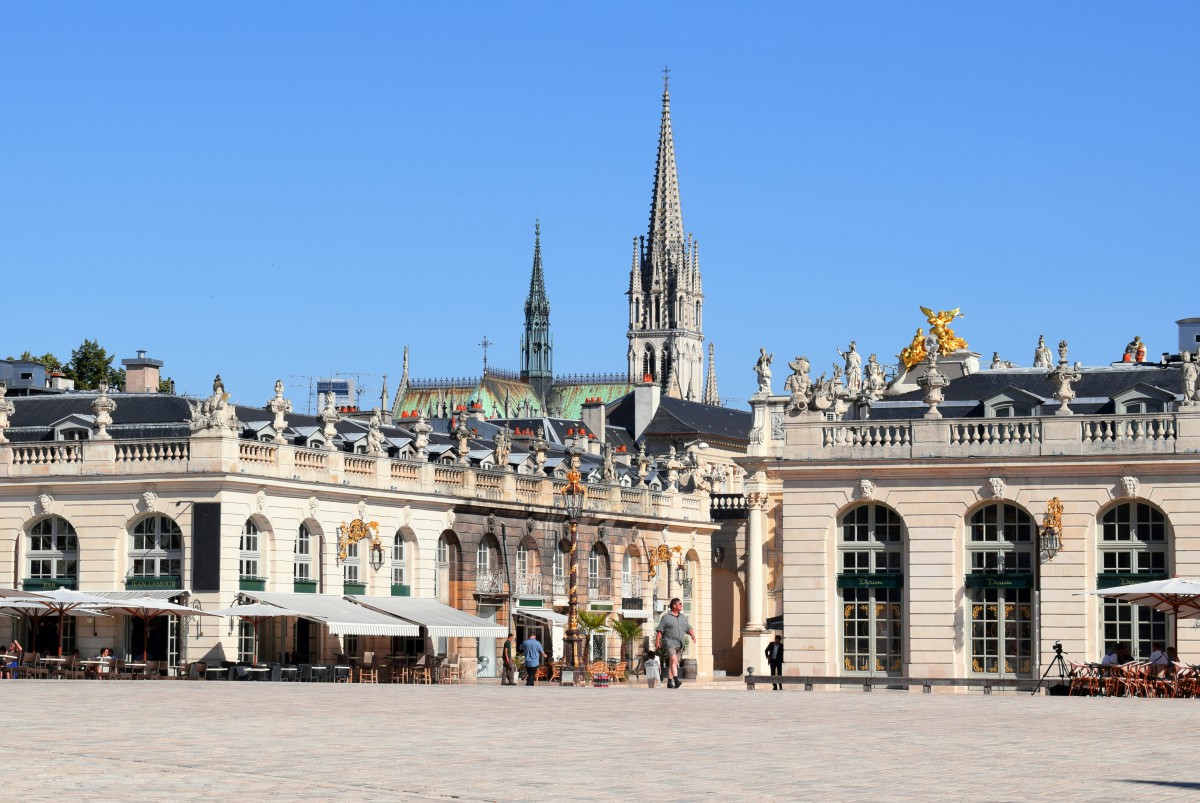
Place Stanislas and St. Epvre church, Nancy © French Moments
From Place Royale to Place Stanislas
The square was originally known as Place Royale. Stanislas commissioned it in honour of Louis XV, whose statue stood at its centre when the square was inaugurated in 1755.
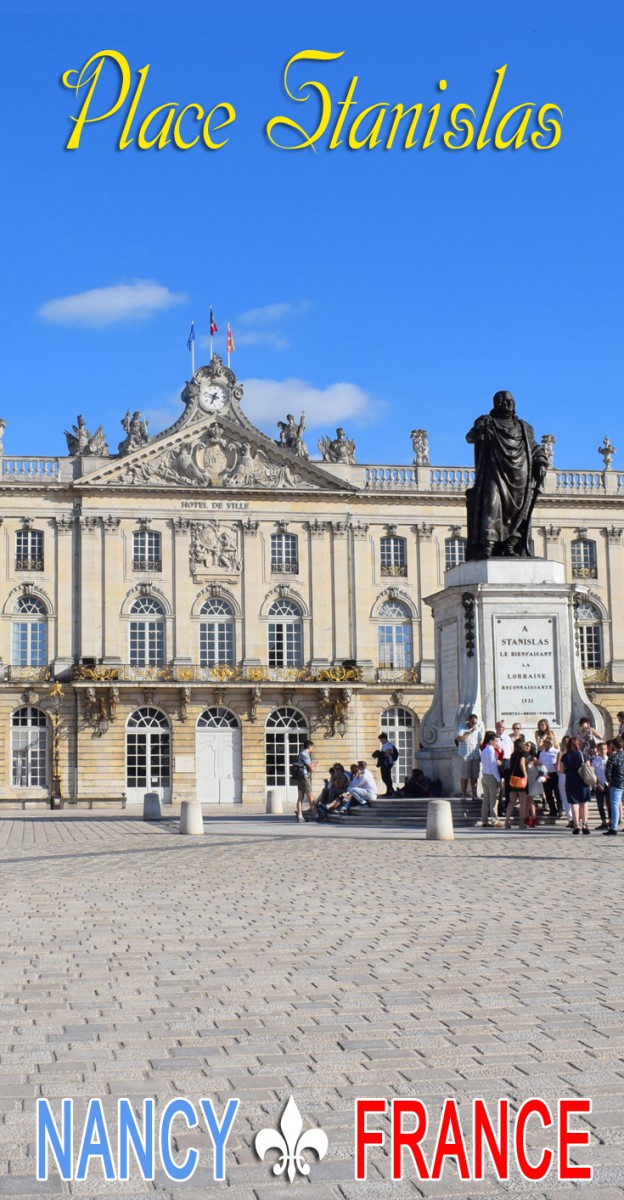
That first statue was destroyed during the French Revolution. The present monument, erected in 1831, depicts Stanislas himself pointing towards the triumphal arch at the northern end of the square.

The statue of Stanislas © French Moments
The inscription on its pedestal identifies him as King of Poland and Duke of Lorraine and Bar. He appears to be reminding everyone that although he had lost one throne, he had certainly not lost his taste for impressive architecture.
The buildings around the square
Emmanuel Héré designed the harmonious classical pavilions surrounding Place Stanislas.
The Hôtel de Ville (City Hall) occupies the entire southern side. Opposite it, two lower buildings frame the entrance towards the Arc Héré, allowing the triumphal arch to remain visible from across the square.
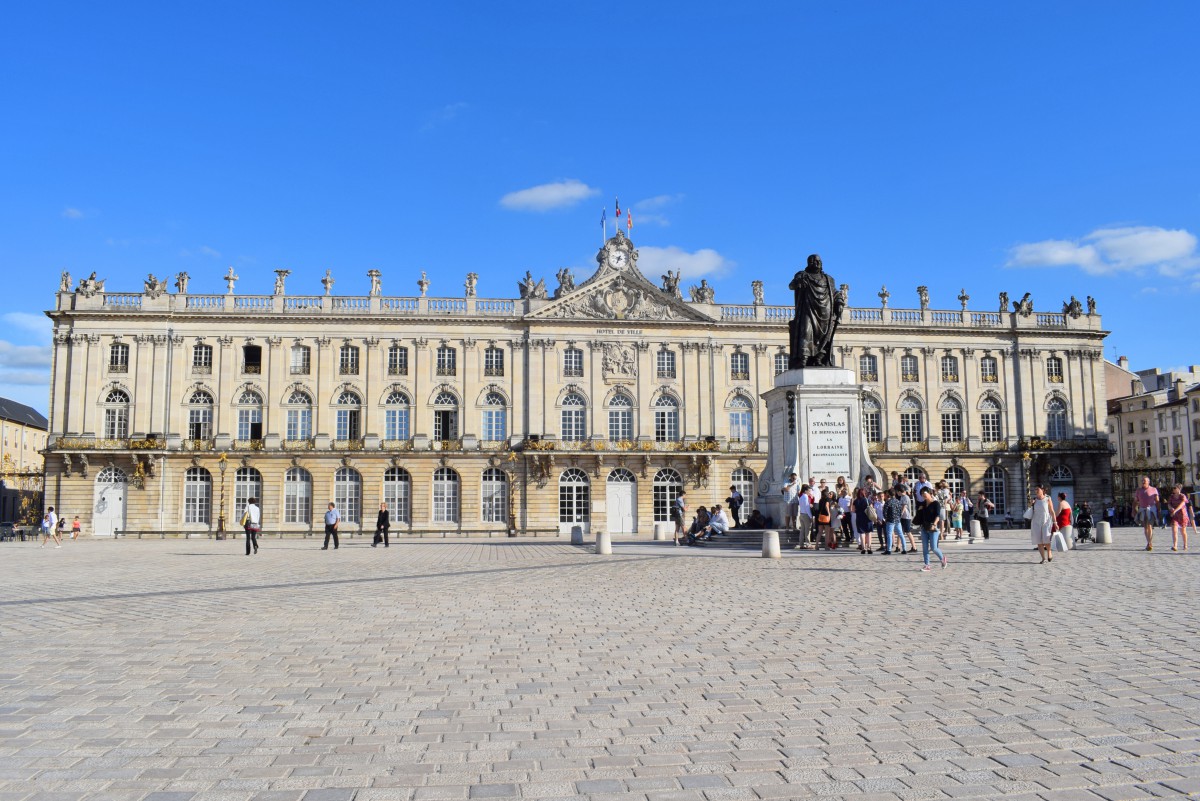
The City-Hall of Nancy, Place Stanislas © French Moments
The other pavilions include the Opéra national de Lorraine, the Grand Hôtel de la Reine and the Musée des Beaux-Arts. The museum occupies one of the original eighteenth-century buildings and contains collections extending from European painting to the celebrated glasswork of Daum.
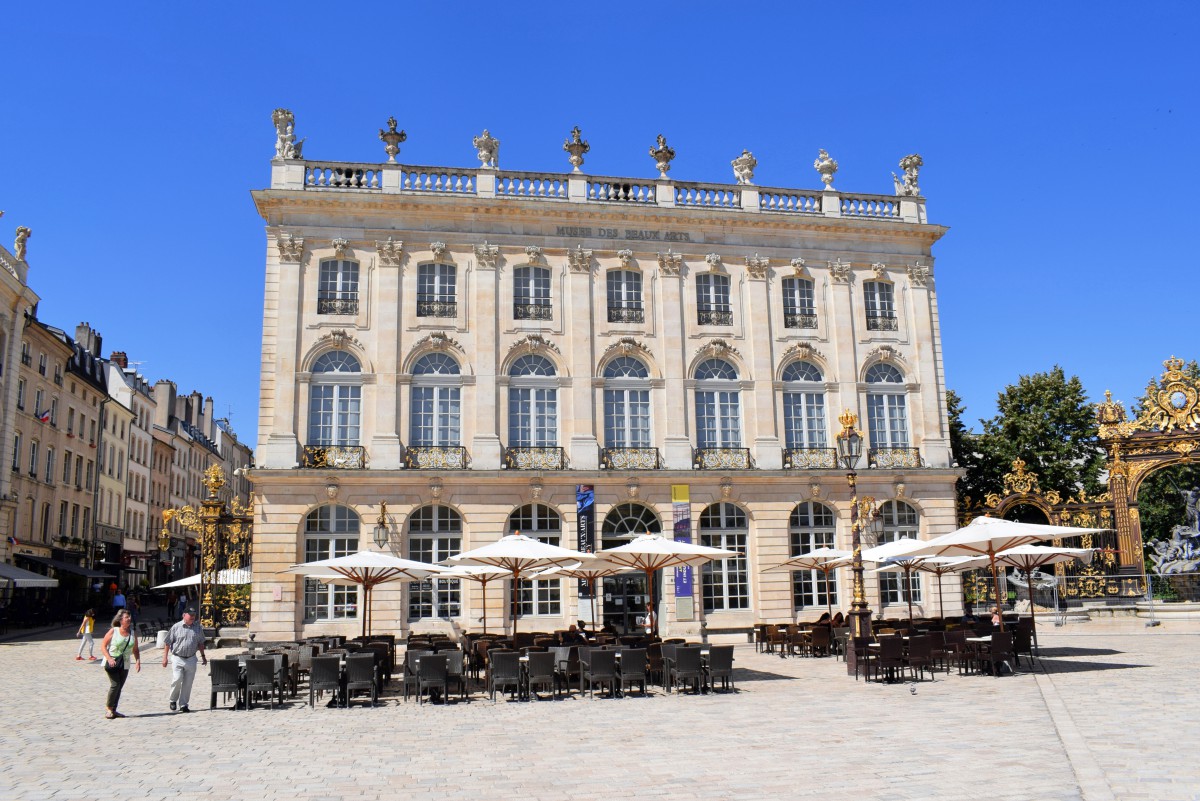
The Fine Arts museum building © French Moments
Despite their different functions, the buildings appear perfectly unified. Their façades share the same proportions, pale stone, arched windows, sculpted decoration and balustrades.
This visual harmony is one of the secrets of the square. Nothing seems to compete for attention—until the golden gates catch the sunlight, of course.
The golden gates of Jean Lamour
The most recognisable features of Place Stanislas are the wrought-iron gates created by Jean Lamour.
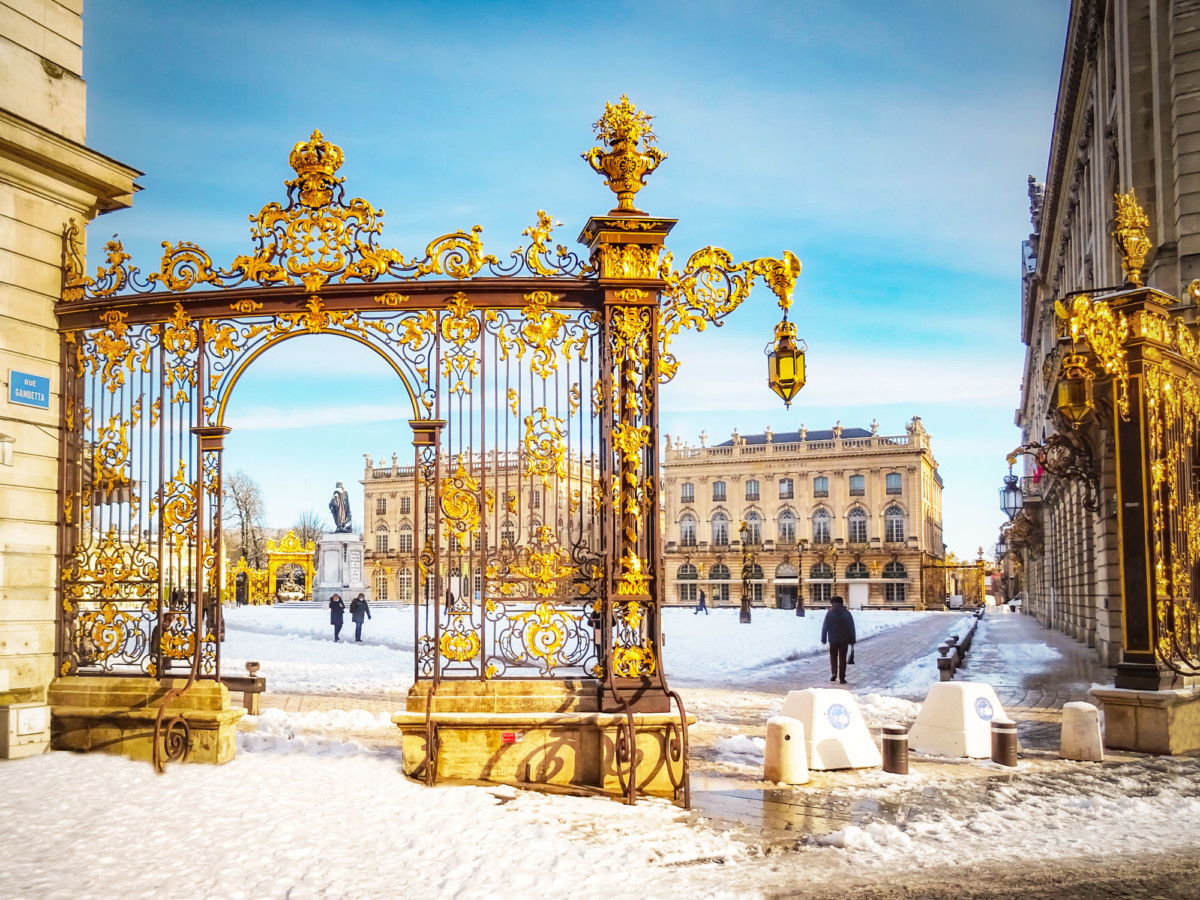
Nancy in the snow: the entrance to Place Stanislas © French Moments
Painted dark brown and decorated with gold leaf, they fill the open corners between the pavilions. Their intricate ornamentation includes scrolls, flowers, royal emblems and lanterns.
The gates are not merely decorative barriers. They help define the square without closing it off, allowing the surrounding streets and gardens to remain visible.
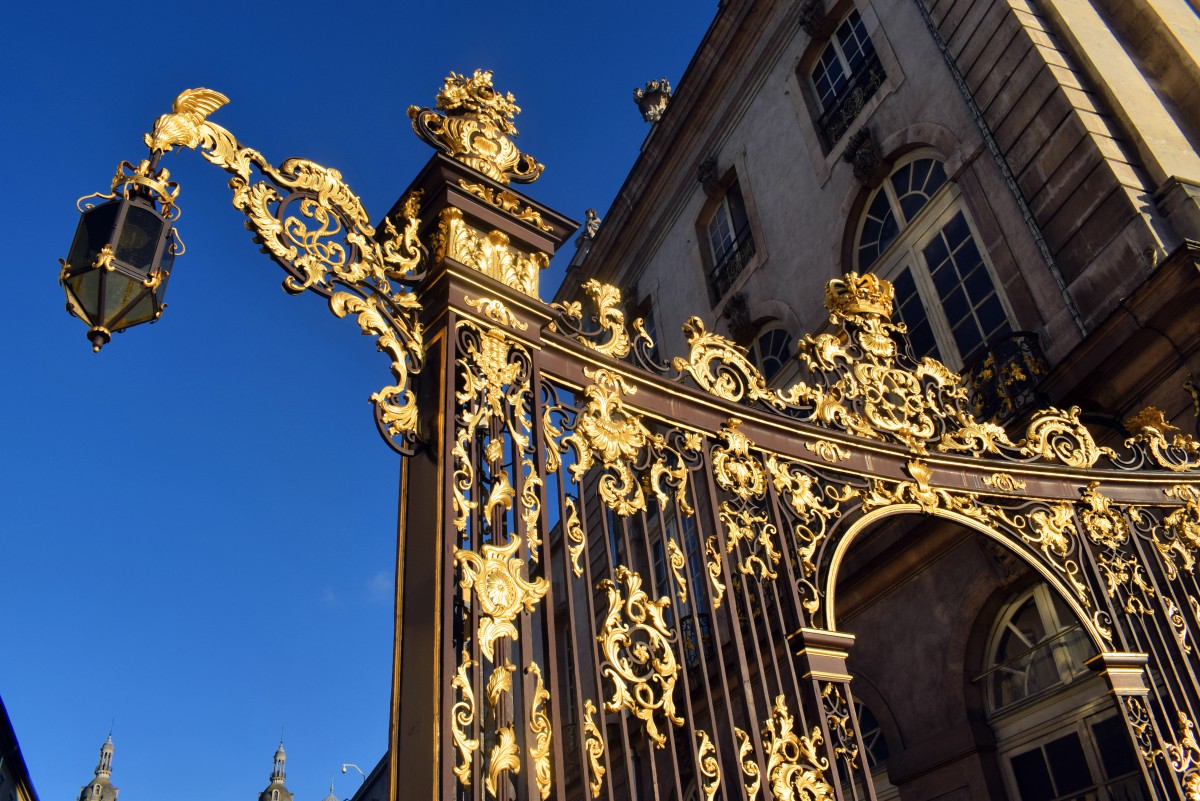
The golden gates of Place Stanislas © French Moments
Their combination of elegance and theatricality helped give Nancy its nickname of the Ville aux Portes d’Or—the City of Golden Gates.
Neptune and Amphitrite
At the northern corners of the square, Jean Lamour’s ironwork rises above two extravagant fountains designed by sculptor Barthélemy Guibal.
On the western side, Neptune stands with his trident amid rocks, water and mythological figures. On the eastern side, Amphitrite appears surrounded by marine decoration.
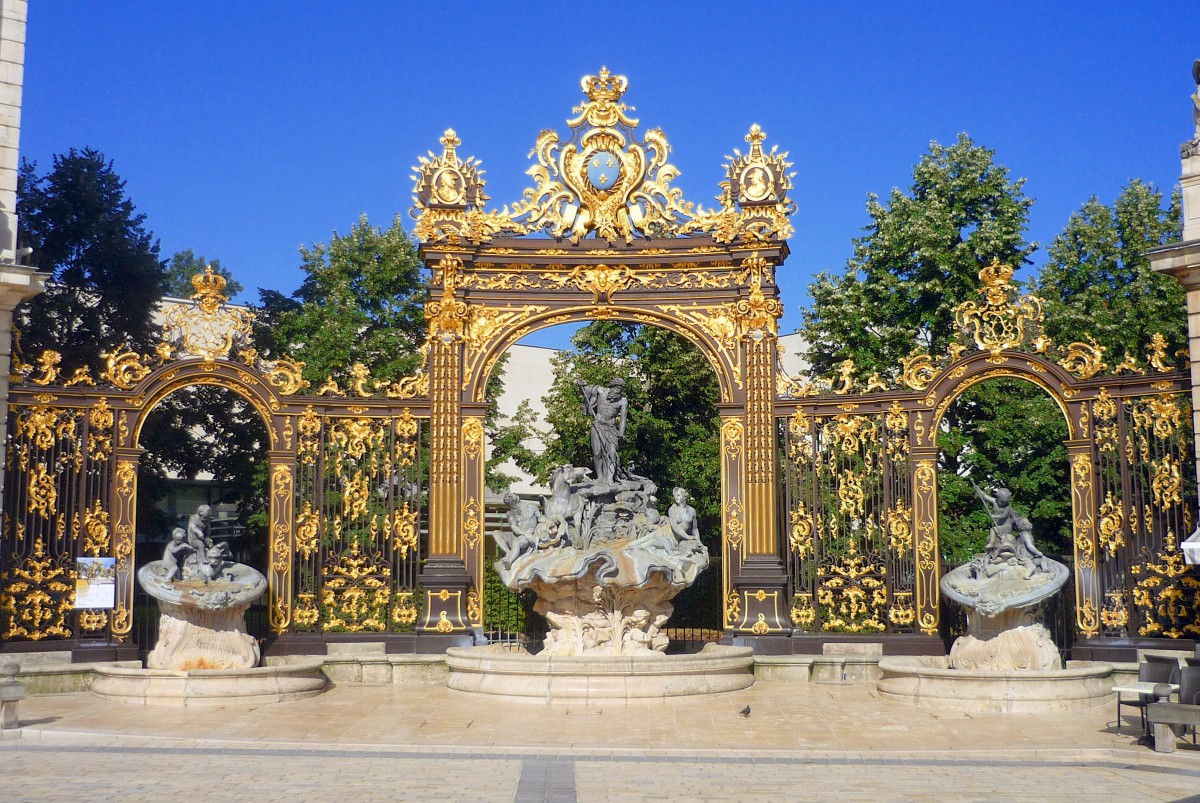
The fountain of Neptune, Place Stanislas © French Moments
The fountains introduce the more exuberant Rococo style into an otherwise classical setting. They also disguise practical passages leading away from the square.
The arch beside Amphitrite provides access to Parc de la Pépinière, while the passage near Neptune leads towards the streets west of Place Stanislas.
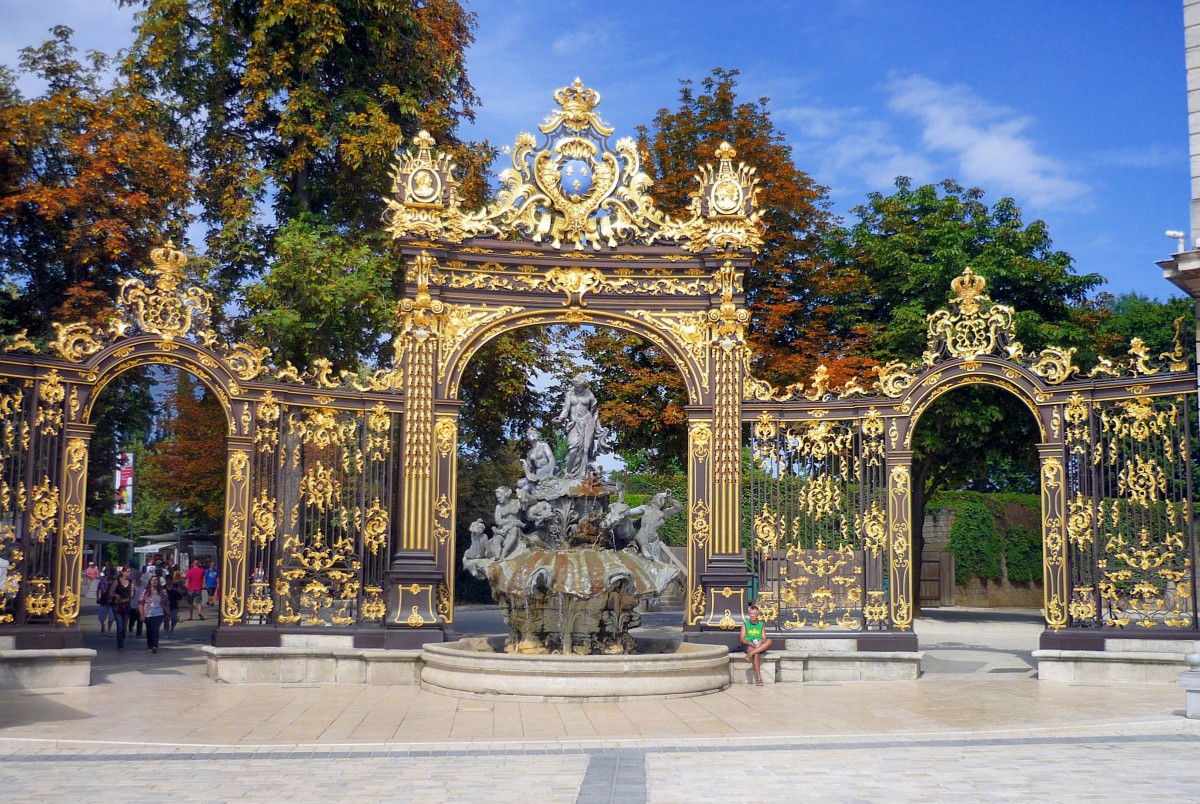
The fountain of Amphitrite, Place Stanislas © French Moments
The architects clearly understood that even a practical exit can benefit from a sea god or two.
Arc Héré and Rue Héré
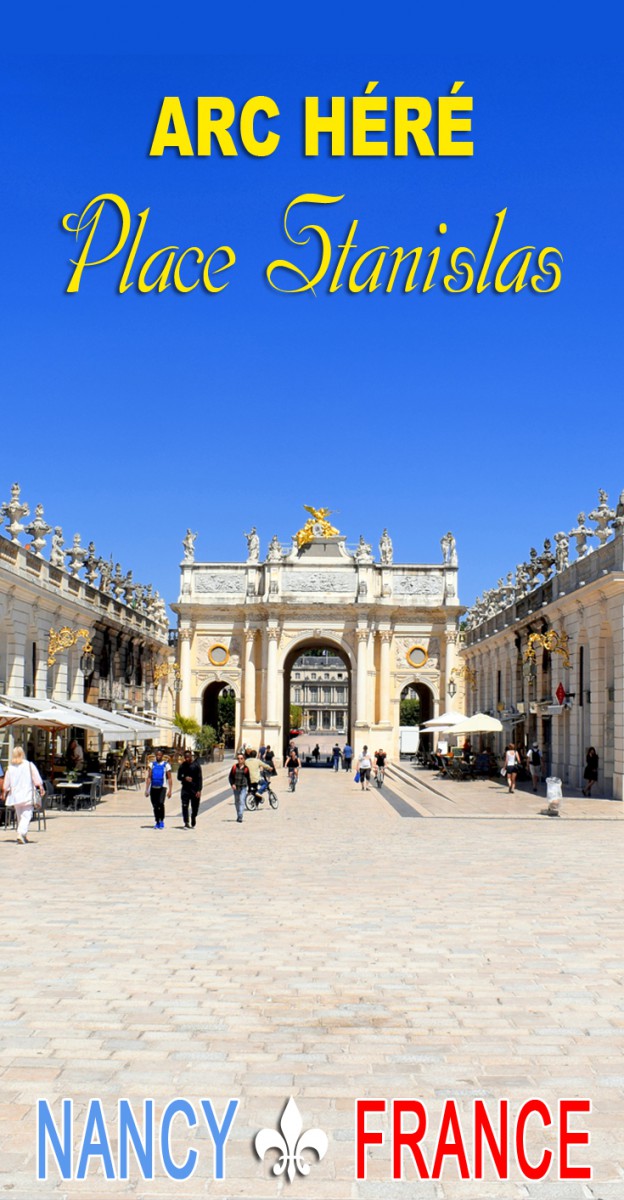
Leave Place Stanislas through the monumental arch on its northern side.
Built between 1753 and 1755, the Arc Héré forms the architectural link between Place Stanislas and Place de la Carrière.
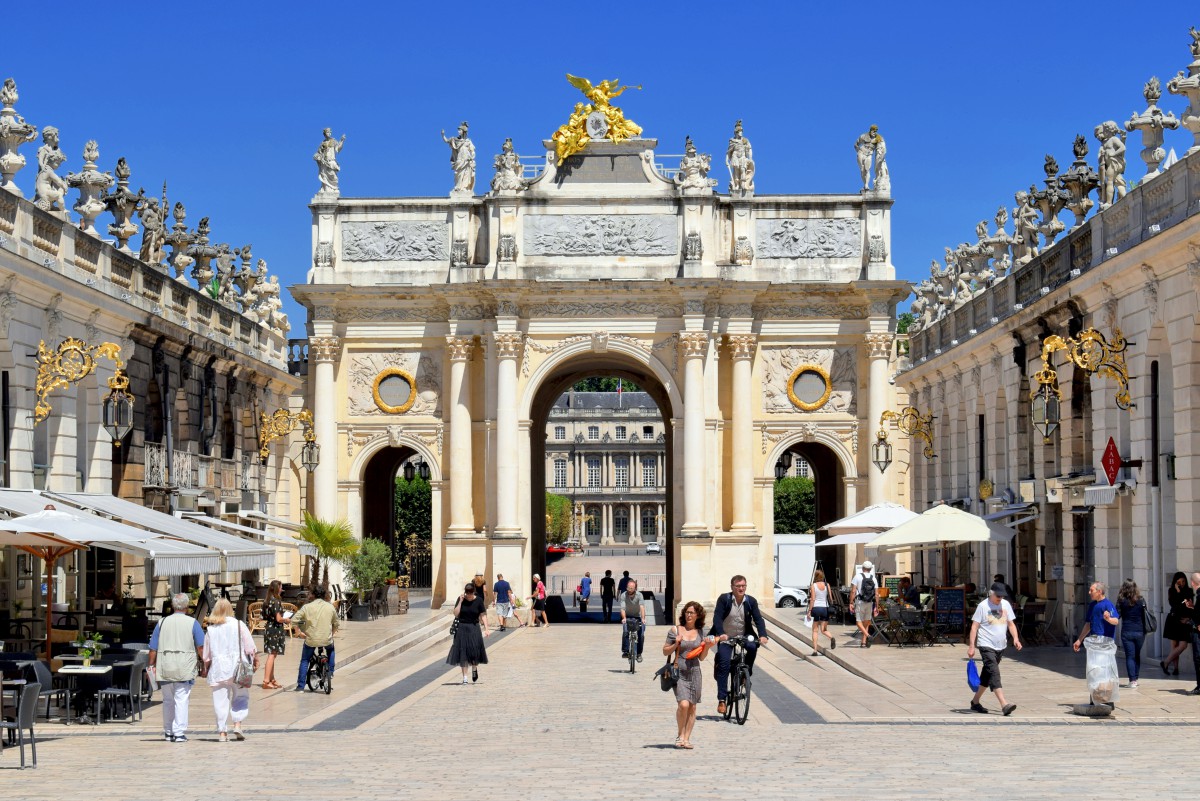
Arc Héré seen from Place Stanislas © French Moments
It stands approximately where one of Nancy’s former defensive gateways once separated the Old Town from the land to the south.
The arch was inspired by ancient Roman triumphal monuments and was created to honour Louis XV. Its reliefs, inscriptions and sculpted figures refer to royal power, military glory and peace.
Look upwards to see the medallion of Louis XV and the crowning group of sculptures above the central arch.
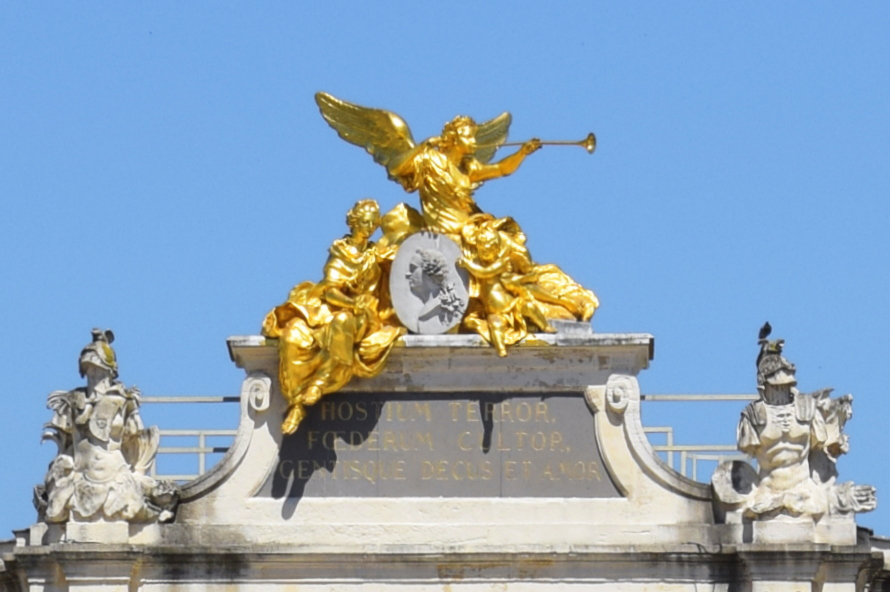
The acroterion of Arc Héré in Nancy © French Moments
Beyond the monument, the short Rue Héré leads towards Place de la Carrière. This apparently modest street is an essential part of the composition. It acts as a transition between the open expanse of Place Stanislas and the long, narrow perspective that follows.
From the Hôtel de Ville, the eye travels across Place Stanislas, beneath Arc Héré, along Place de la Carrière and towards the Palais du Gouvernement at the far end.
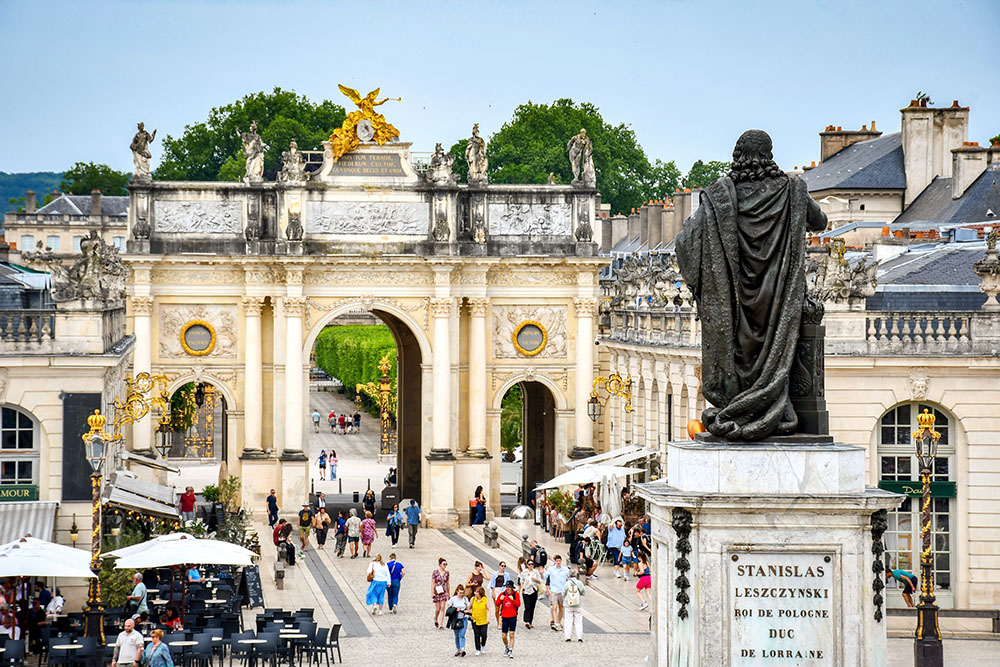
Place Stanislas and Arc Héré, June 2026 © French Moments
It is one of the finest urban perspectives in France.
Discover more about the history and decoration of the Arc Héré in my dedicated guide.
Place de la Carrière: a square with a longer history
Place de la Carrière is older than Place Stanislas.
Its name comes from its former use for jousting, tournaments and equestrian exercises. In this context, the French word carrière referred to the ground on which horses ran rather than to someone’s professional ambitions.
Before Stanislas transformed Nancy, aristocratic residences already lined the square. It was also used for public celebrations, fairs, performances and festivities.
Emmanuel Héré remodelled the existing space as part of the eighteenth-century urban project. The façades facing the square were redesigned to create a more regular and harmonious appearance, although some of the older structures survived behind them.
This explains why Place de la Carrière feels different from Place Stanislas. It is not a completely new square but an older urban space dressed in an elegant eighteenth-century costume.
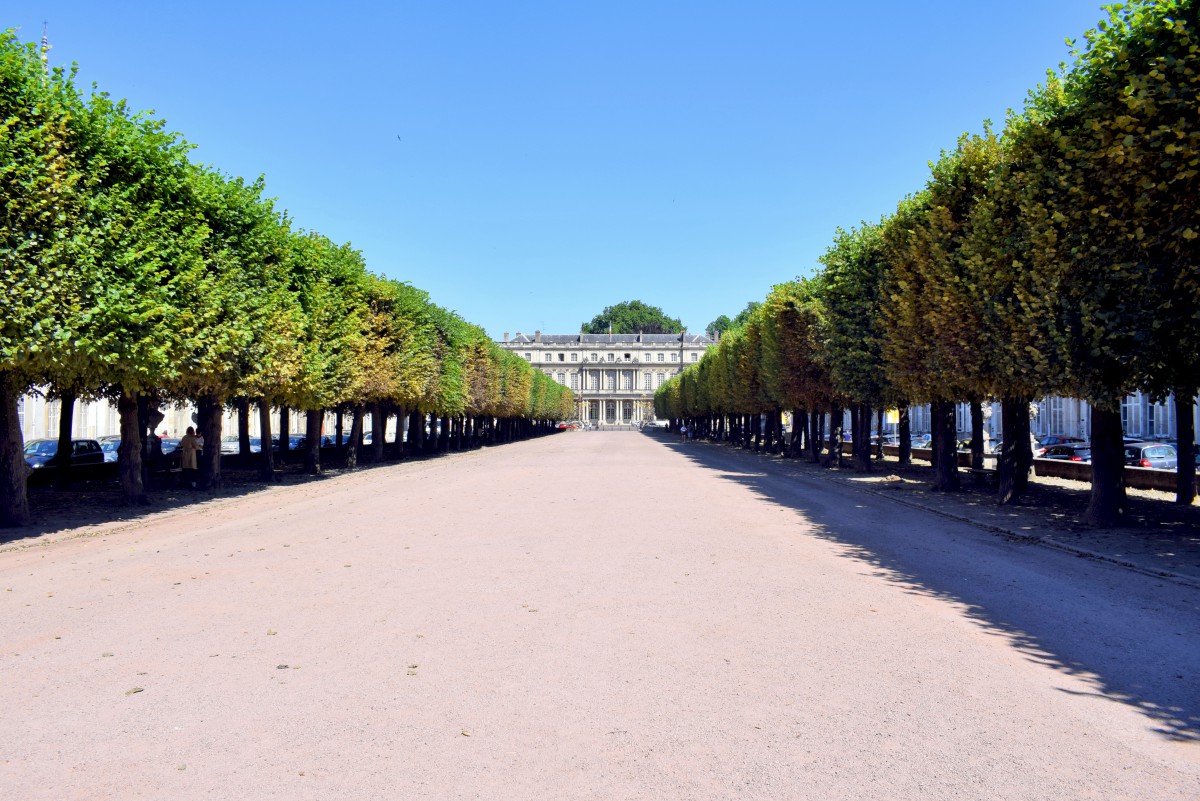
Place de la Carrière in Nancy © French Moments
A long and theatrical perspective
Place de la Carrière stretches northwards between rows of trees and uniform façades.
Its central promenade is bordered by stone balustrades, urns and sculpted figures. Small fountains mark the corners, while Jean Lamour’s gates appear again at either end.
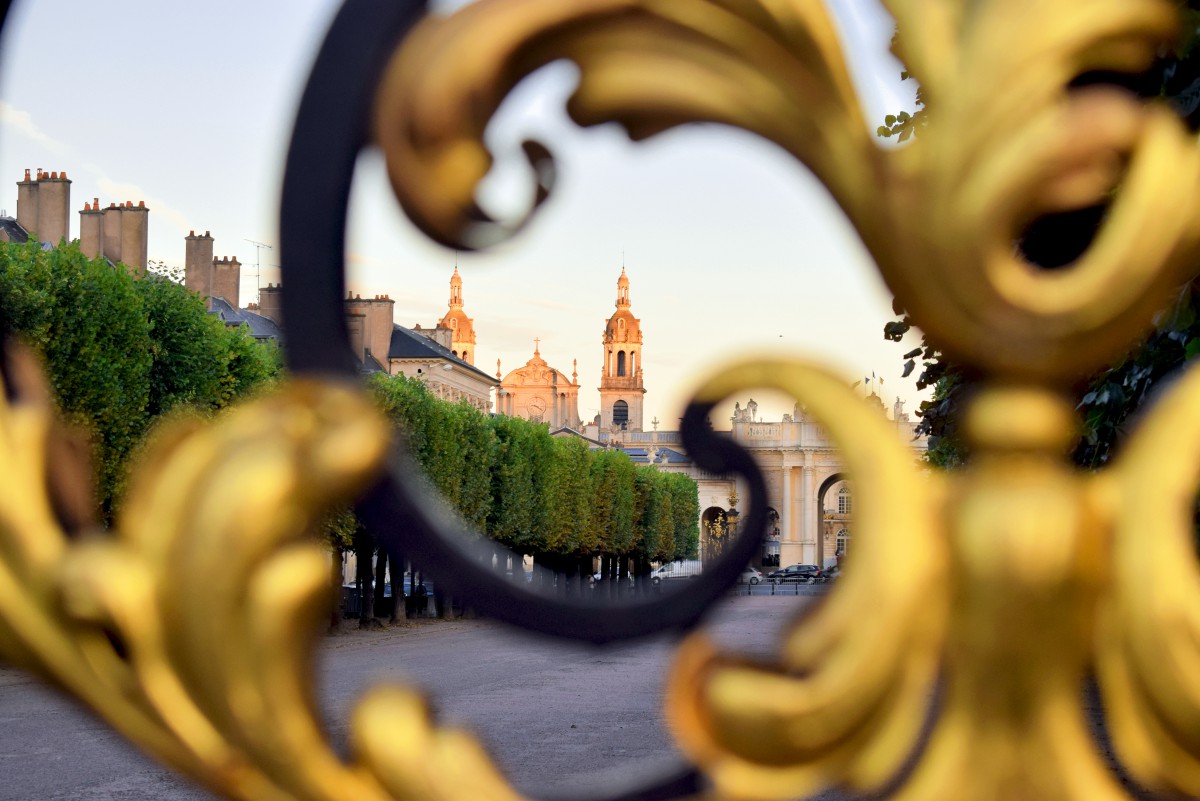
Place de la Carrière and the cathedral, Nancy © French Moments
The trees soften the architecture and give the square a more intimate atmosphere than Place Stanislas. Depending on the season, they frame the perspective with fresh spring leaves, deep summer shade or autumn colour.
Walk slowly towards the northern end and occasionally turn around. The view back through Arc Héré towards the Hôtel de Ville shows just how carefully the entire ensemble was planned.
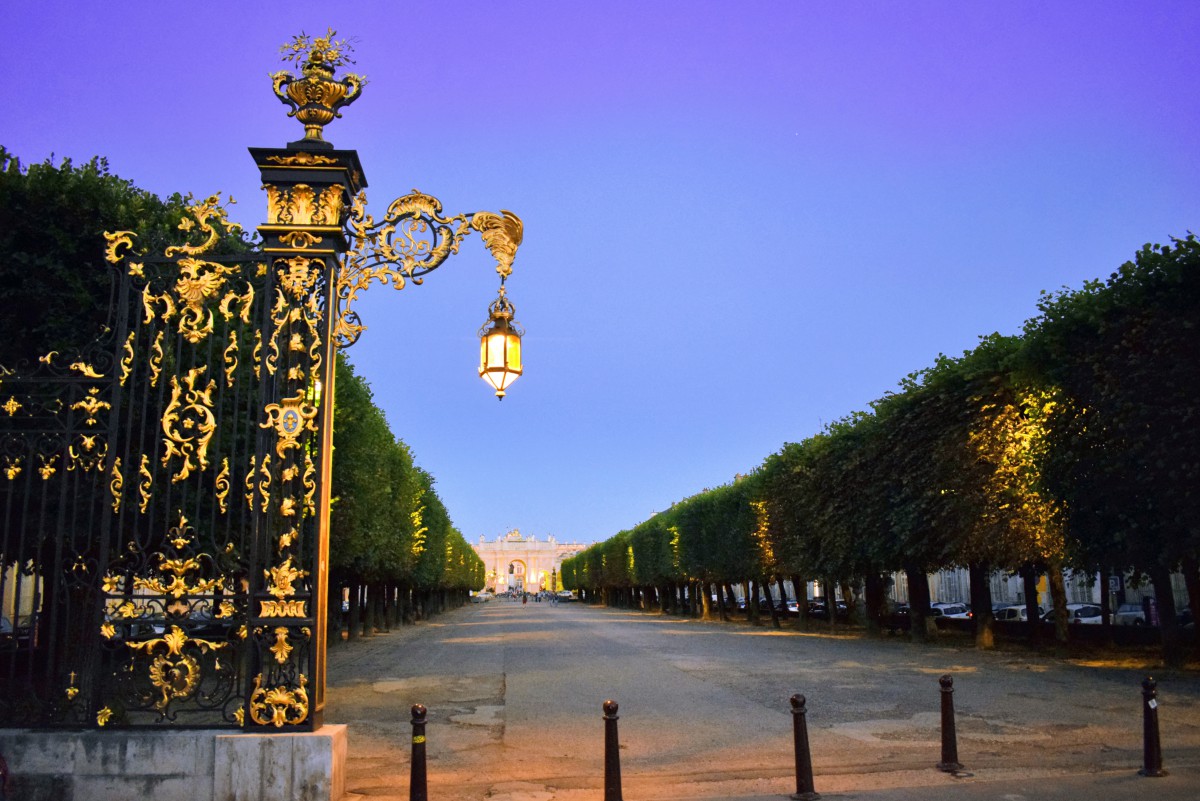
Place de la Carrière in Nancy © French Moments
The Palais du Gouvernement
The Palais du Gouvernement closes the northern end of Place de la Carrière.
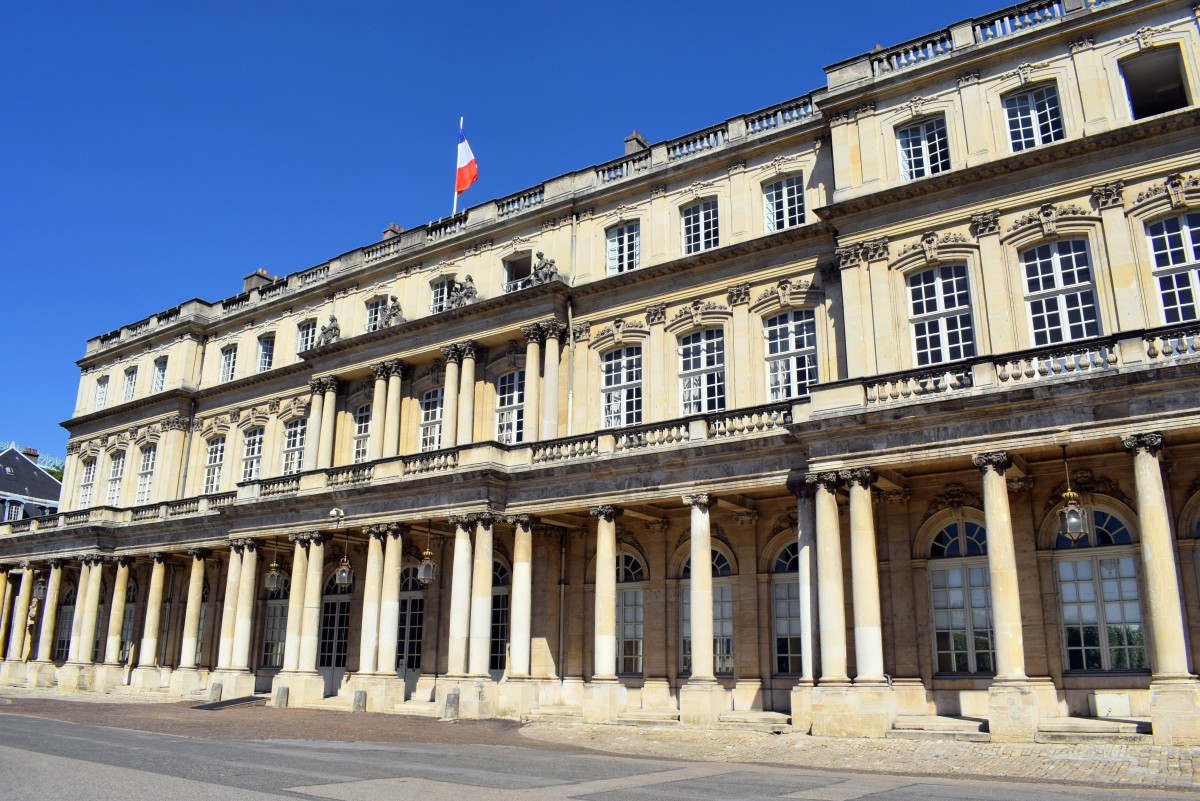
Palais du Gouvernement, Place de la Carrière in Nancy © French Moments
Its curved colonnades and classical façade form a dignified conclusion to the long perspective. Stanislas commissioned the palace for the representative of the future French administration, preparing for the time when Lorraine would pass to France.
The building’s slightly recessed position allows the surrounding semicircle of columns to act almost like a stage set.
After the broad magnificence of Place Stanislas, Place de la Carrière encourages a slower kind of exploration. Look at the façades, the stone vases, the fountains and the glimpses into neighbouring streets.
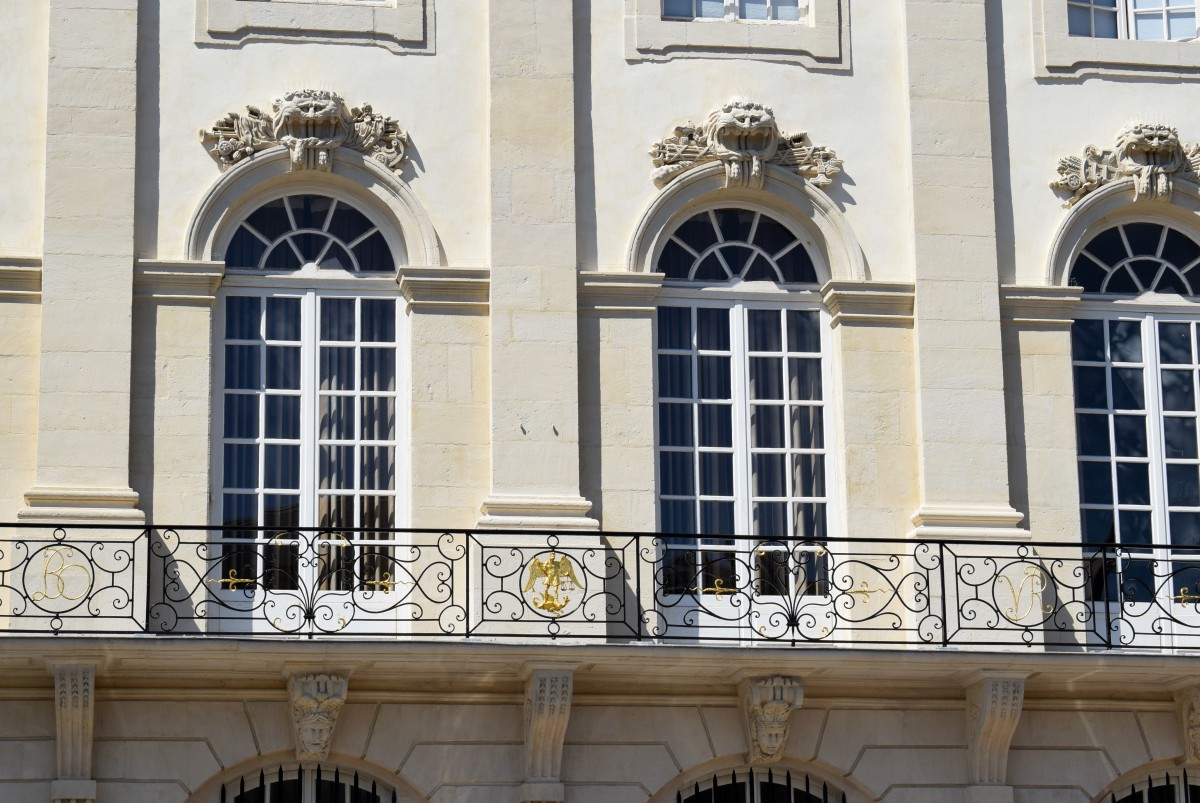
Place de la Carrière in Nancy © French Moments
Place d’Alliance: Nancy’s quietest UNESCO square
Place d’Alliance is only a few minutes’ walk from Place Stanislas, yet many visitors miss it entirely.
That is a pity, because this small square offers an important contrast with its two grander neighbours.
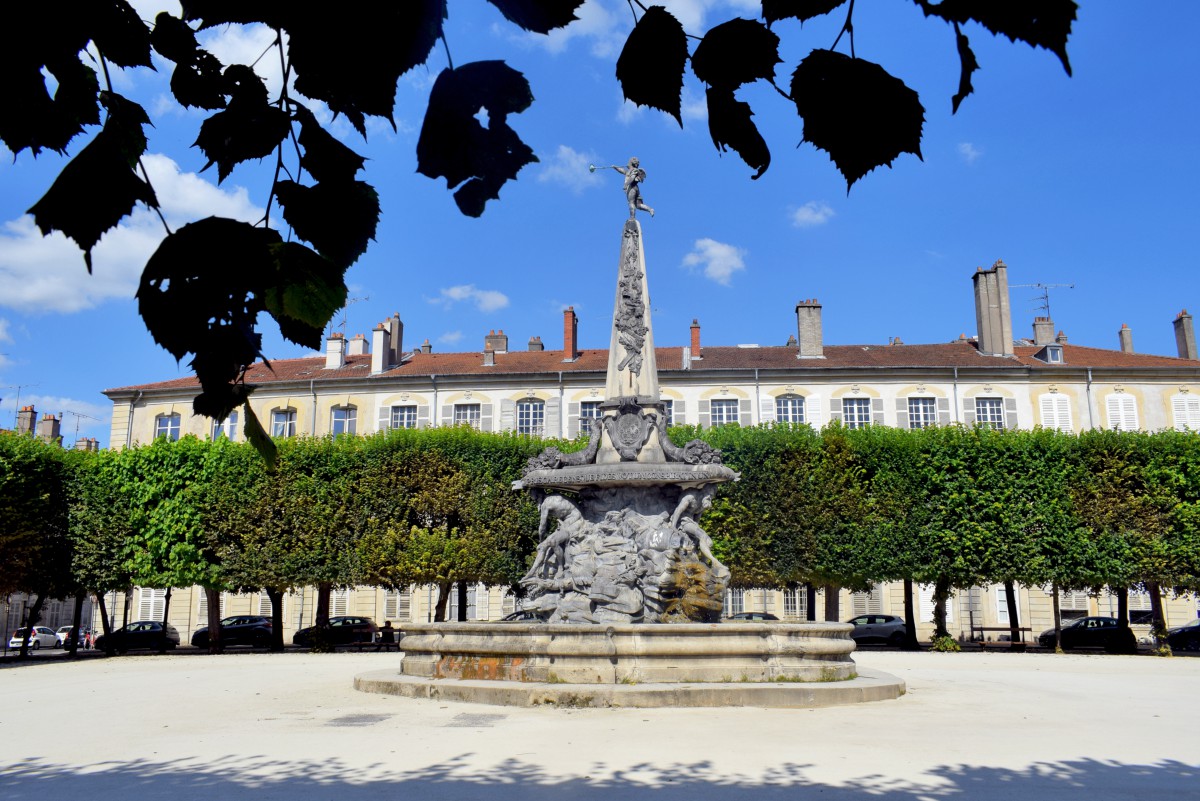
Place d'Alliance in Nancy © French Moments
Where Place Stanislas is ceremonial and Place de la Carrière theatrical, Place d’Alliance feels residential and peaceful. Trees surround its central fountain, and elegant houses create the atmosphere of a private courtyard.
After the scale and brilliance of Place Stanislas, it can seem almost secret.
The square was initially known as Place Saint-Stanislas. Its present name commemorates the diplomatic alliance concluded in 1756 between France and Austria.
At its centre stands a fountain by Paul-Louis Cyfflé. Inspired by the fountains of Piazza Navona in Rome, it consists of sculpted figures supporting an obelisk. Latin inscriptions celebrate the alliance, while the figures represent rivers of western Europe.
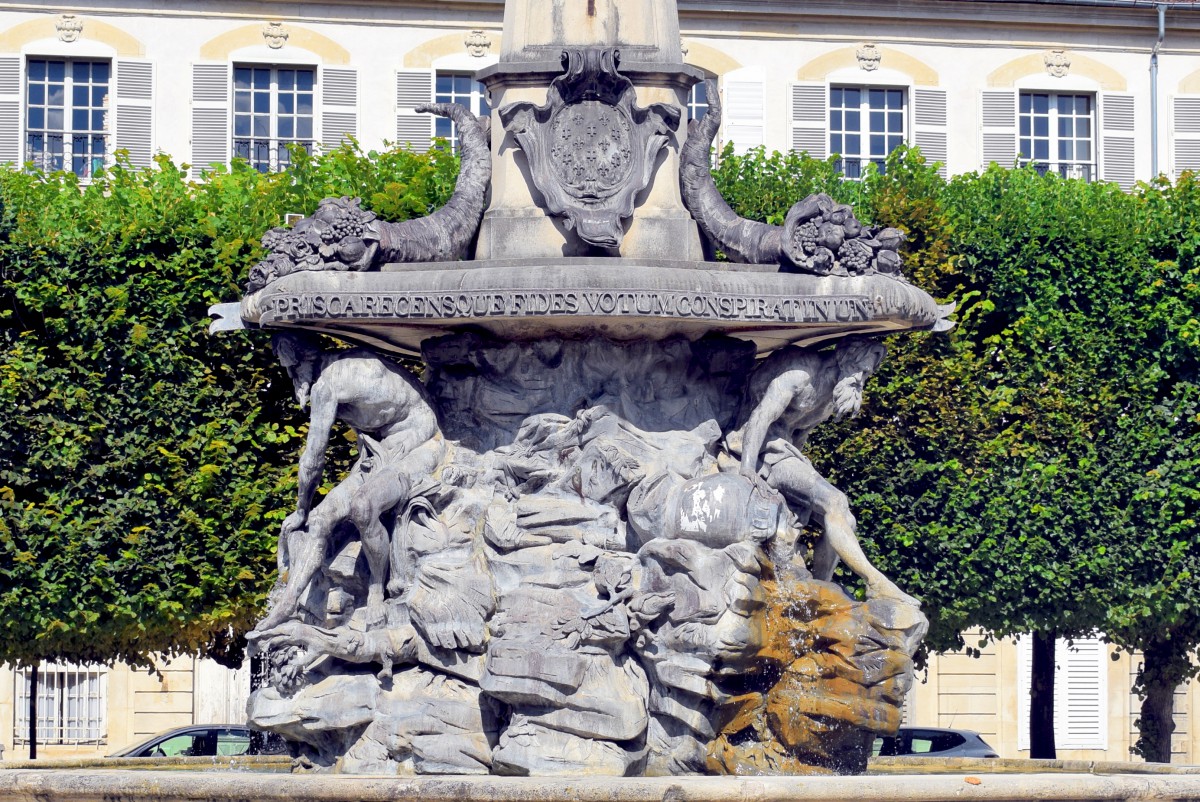
The three river gods of the fountain, Place d'Alliance in Nancy © French Moments
The fountain, ordered façades and tree-lined setting form a much quieter composition than the golden gates and mythological cascades of Place Stanislas. Yet Place d’Alliance is an essential part of the UNESCO ensemble rather than a decorative afterthought. UNESCO specifically recognises the three squares together as a single artistic and urban achievement.
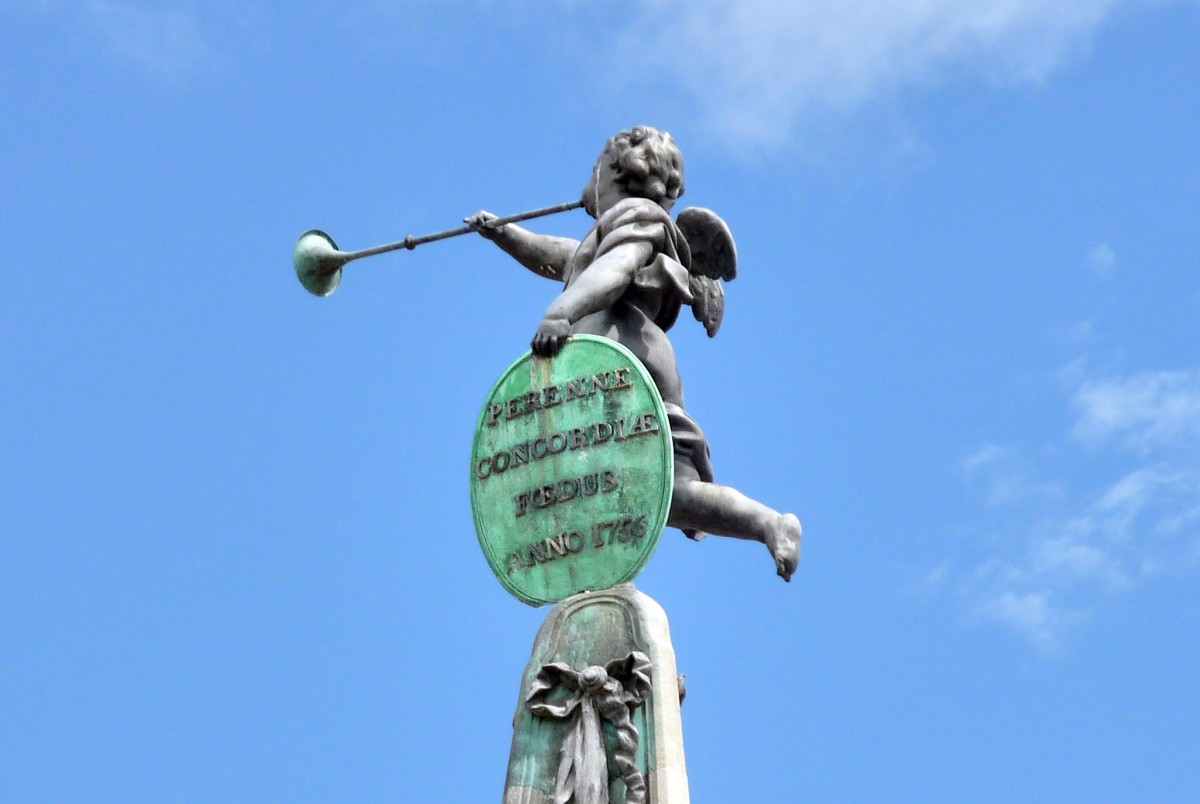
The winged-genie atop the fountain of Place d'Alliance in Nancy © French Moments
My tip: do not simply photograph the fountain and leave. Walk around the edge of the square and look back through the trees. Its charm lies as much in its atmosphere as in any individual monument.
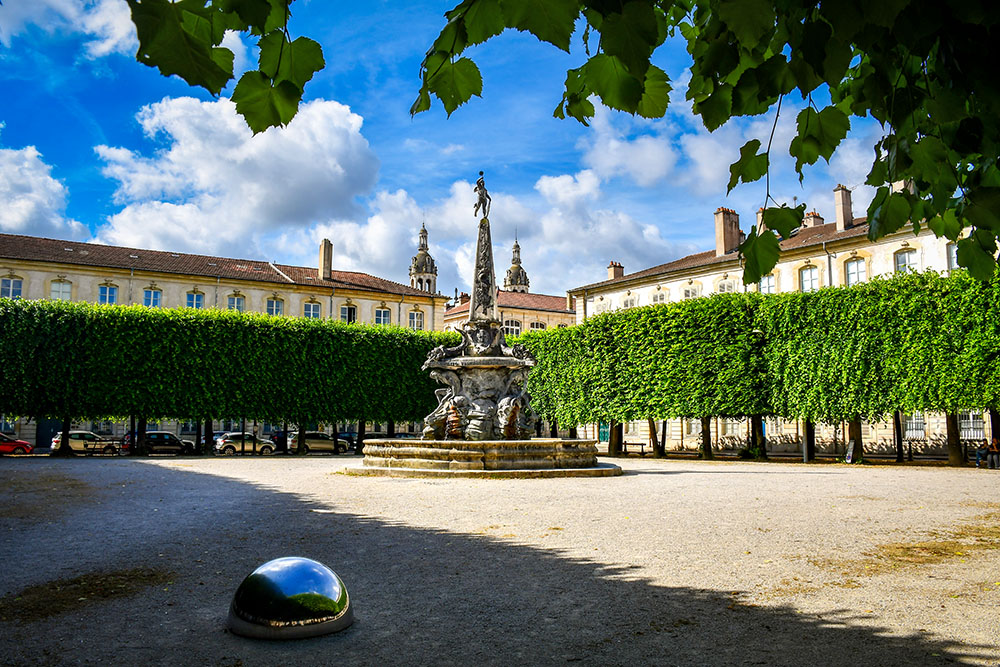
Place d'Alliance, June 2026 © French Moments
Details to look for during your walk in the 18th-century district of Nancy
The 18th-century district of Nancy reveals itself through small details as well as grand perspectives.
On Place Stanislas, look closely at the golden gates for royal fleurs-de-lis, roosters, leaves and curling plant forms. Above the Neptune Fountain, the decoration becomes so exuberant that the ironwork almost appears to grow out of the stone.
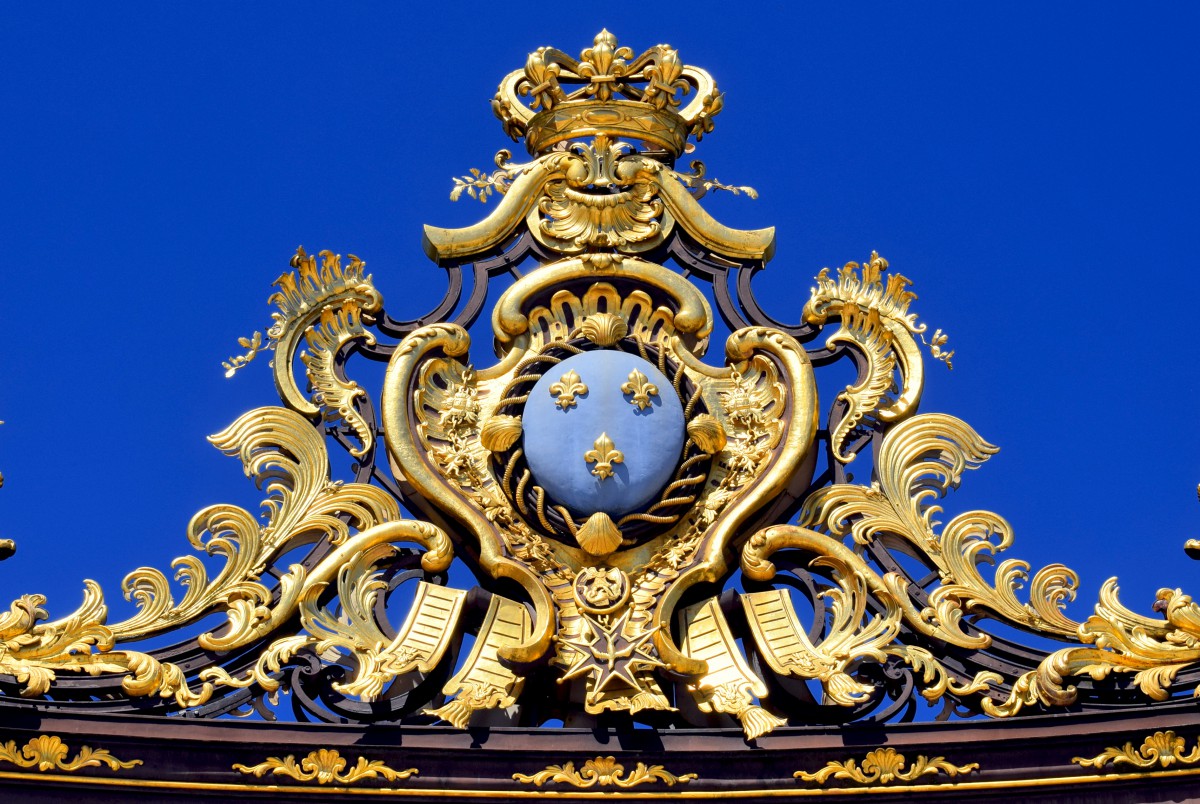
The crown of the fountain of Neptune with the lys-de-France, Place Stanislas of Nancy © French Moments
On the Arc Héré, notice the medallion of Louis XV, the allegorical sculptures and the Latin inscriptions. Then stand beneath the arch and compare the view in both directions: towards the Hôtel de Ville and towards the Palais du Gouvernement.
On Place de la Carrière, examine the sculpted children, stone urns and mythological creatures decorating the central promenade. You may also notice that the elegant eighteenth-century façades conceal buildings of different ages behind them.
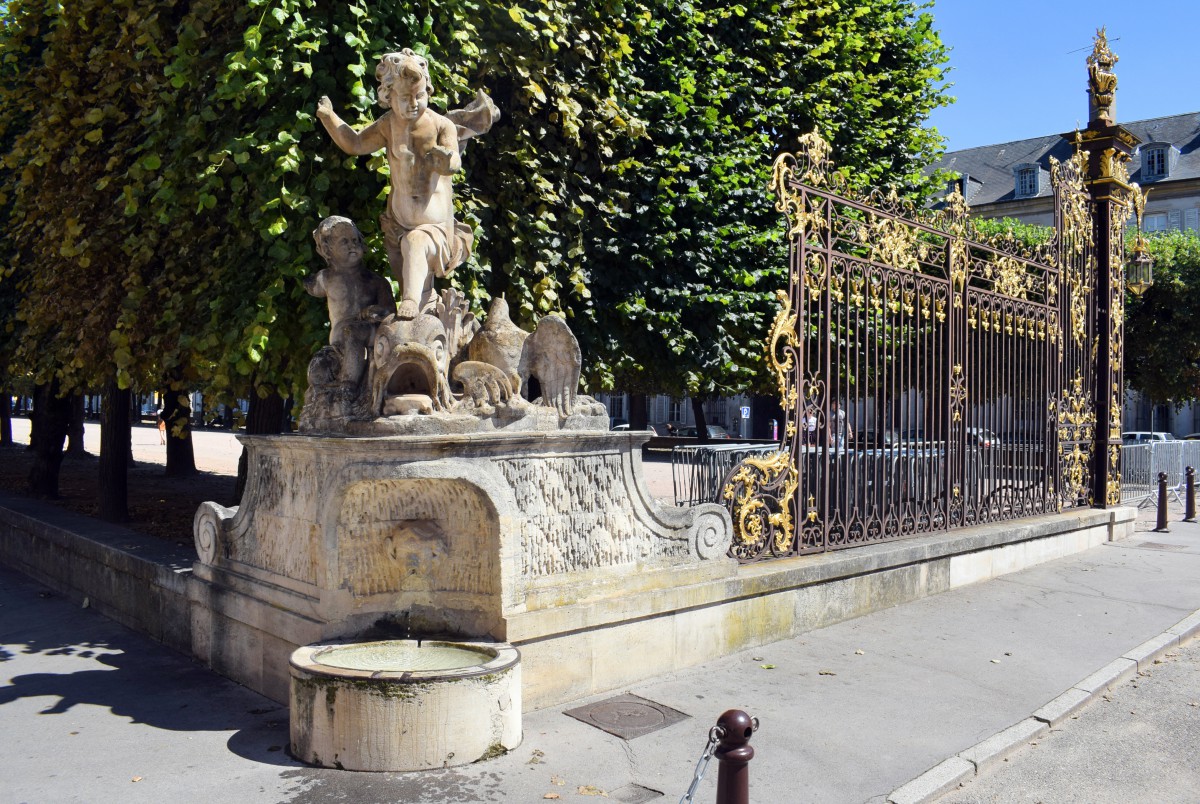
Place de la Carrière in Nancy © French Moments
Finally, on Place d’Alliance, try to identify the sculpted rivers and the Latin text on the fountain.
These details are easy to overlook when the temptation is to take one wide photograph and move on. Nancy rewards visitors who occasionally put the camera down—or at least zoom in.
Beyond the three UNESCO squares
Place Stanislas, Place de la Carrière and Place d’Alliance form the official UNESCO World Heritage Site.
However, two nearby attractions help complete the story of eighteenth-century Nancy: Parc de la Pépinière and Nancy Cathedral.
Parc de la Pépinière: from royal nursery to city park
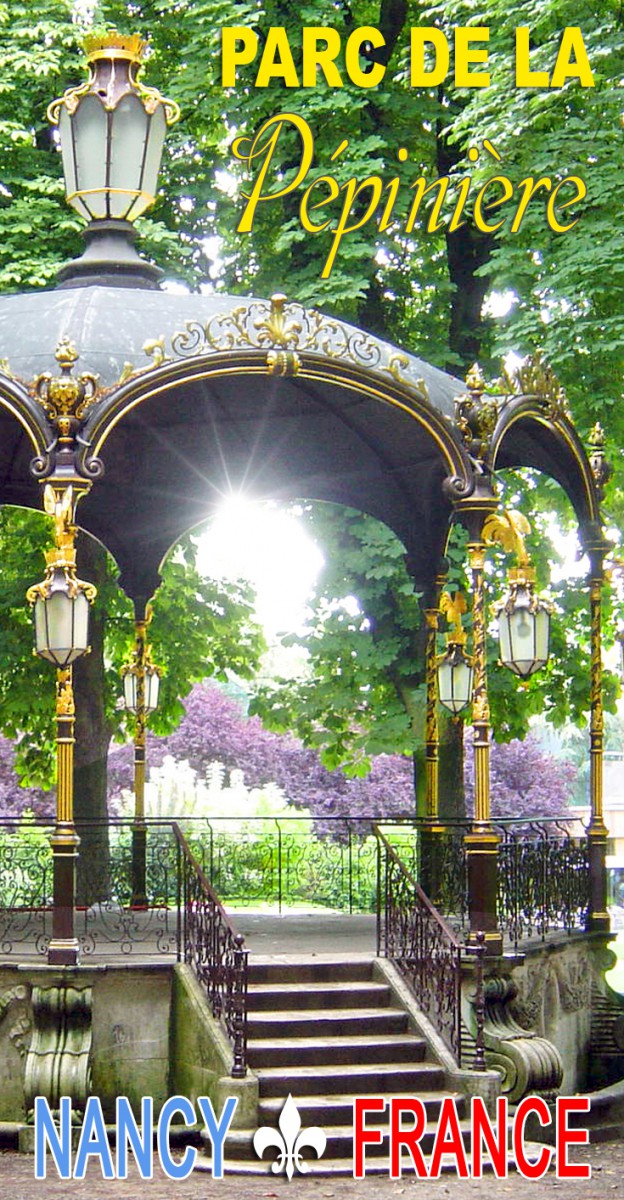
Parc de la Pépinière lies immediately beside Place Stanislas and can be entered through the gilded gateway near the Amphitrite Fountain.
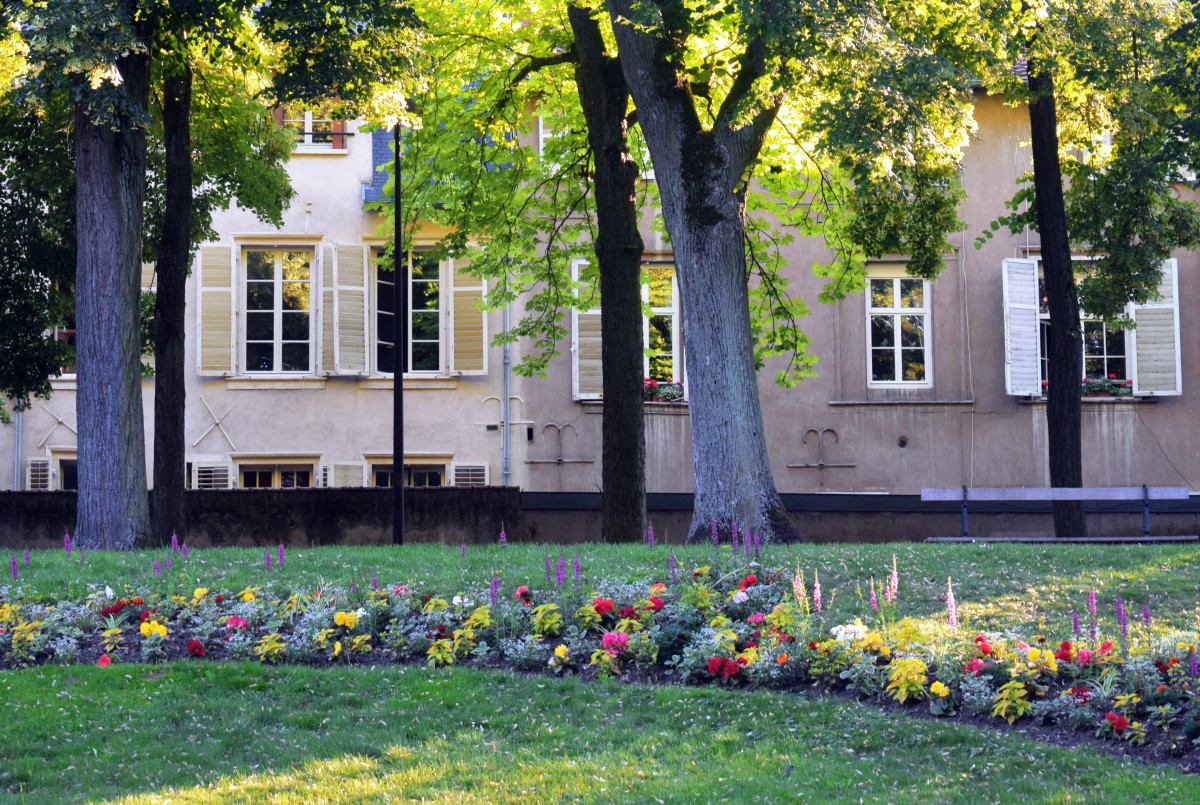
Parc de la Pépinière © French Moments
Stanislas authorised the creation of a royal tree nursery here in 1765. The trees were intended for planting along the roads of Lorraine, and the original nursery was divided into sixteen cultivation squares.
The site became a public park in 1835, but much of its regular layout was retained.
Today, the Pépinière offers broad avenues, lawns, mature trees, flowerbeds and a rose garden. It is an ideal place to rest after exploring the stone façades and paved squares nearby.
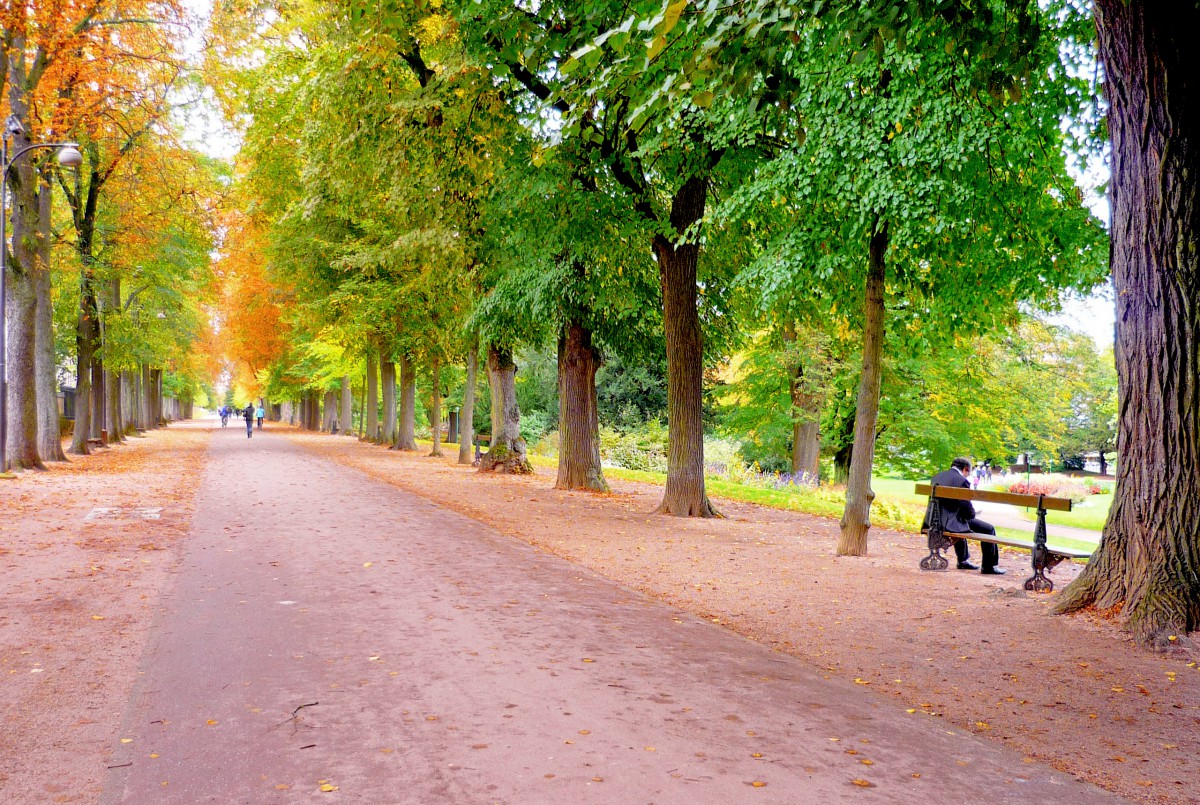
Parc de la Pépinière, Nancy © French Moments
Locals affectionately call the park la Pép’. You will often see families, joggers, students and people simply enjoying a quiet walk beneath the trees.
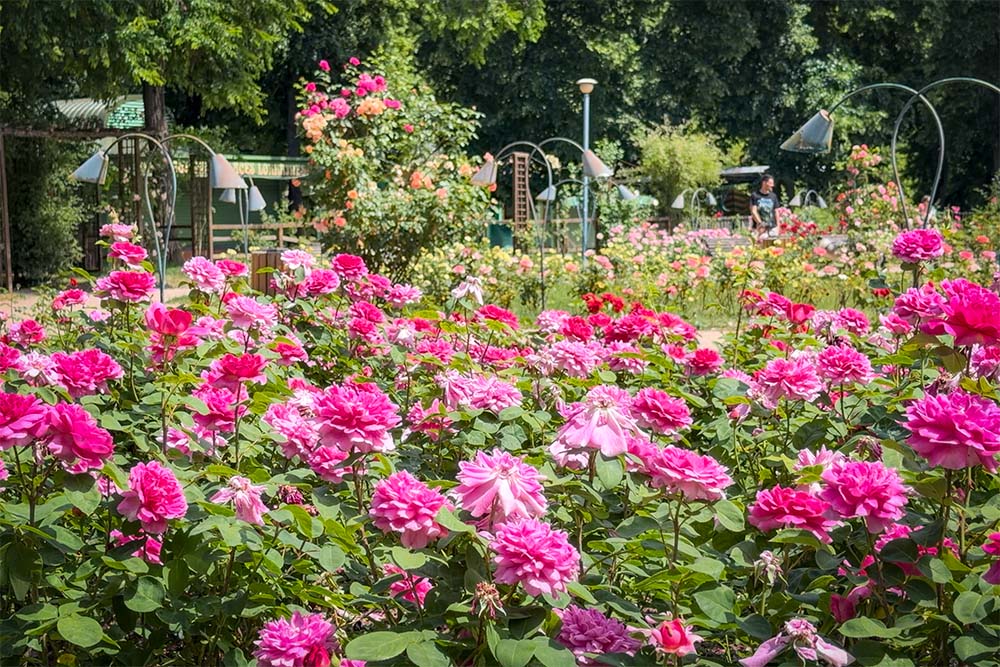
Rose garden of Parc de la Pépinière, June 2026 © French Moments
The park is not part of the UNESCO-listed property, but its history is closely linked to the improvements introduced during the final years of Stanislas’s rule.
Explore the park in more detail in my guide to Parc de la Pépinière.
Nancy Cathedral: a classical sanctuary
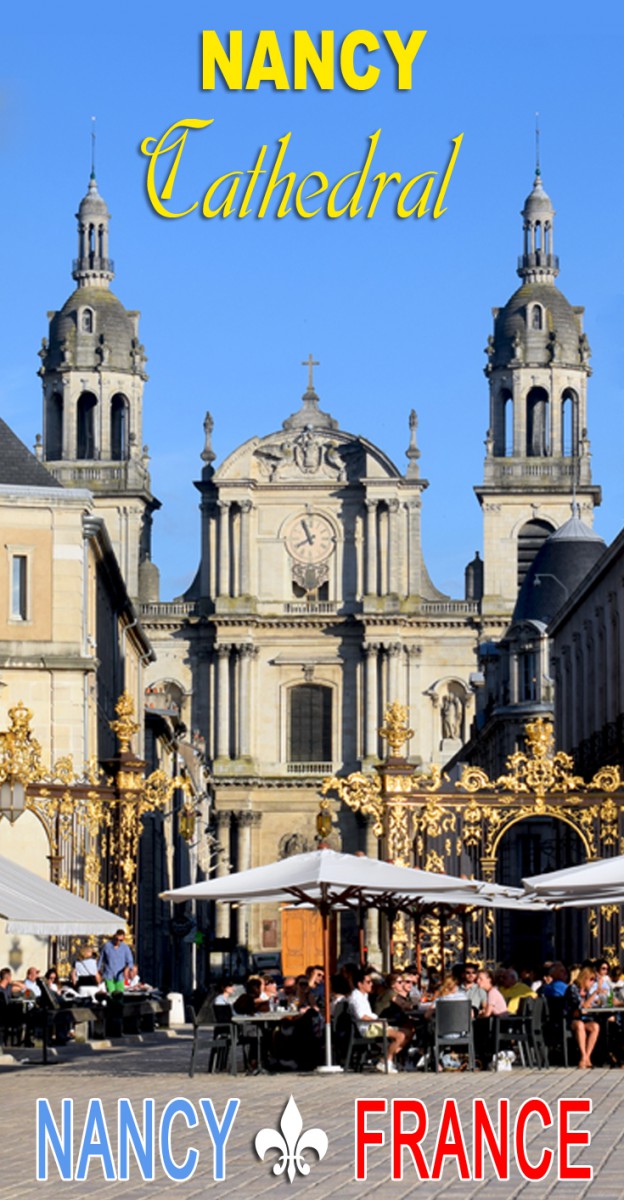
A short walk south-east of Place Stanislas brings you to Nancy Cathedral.
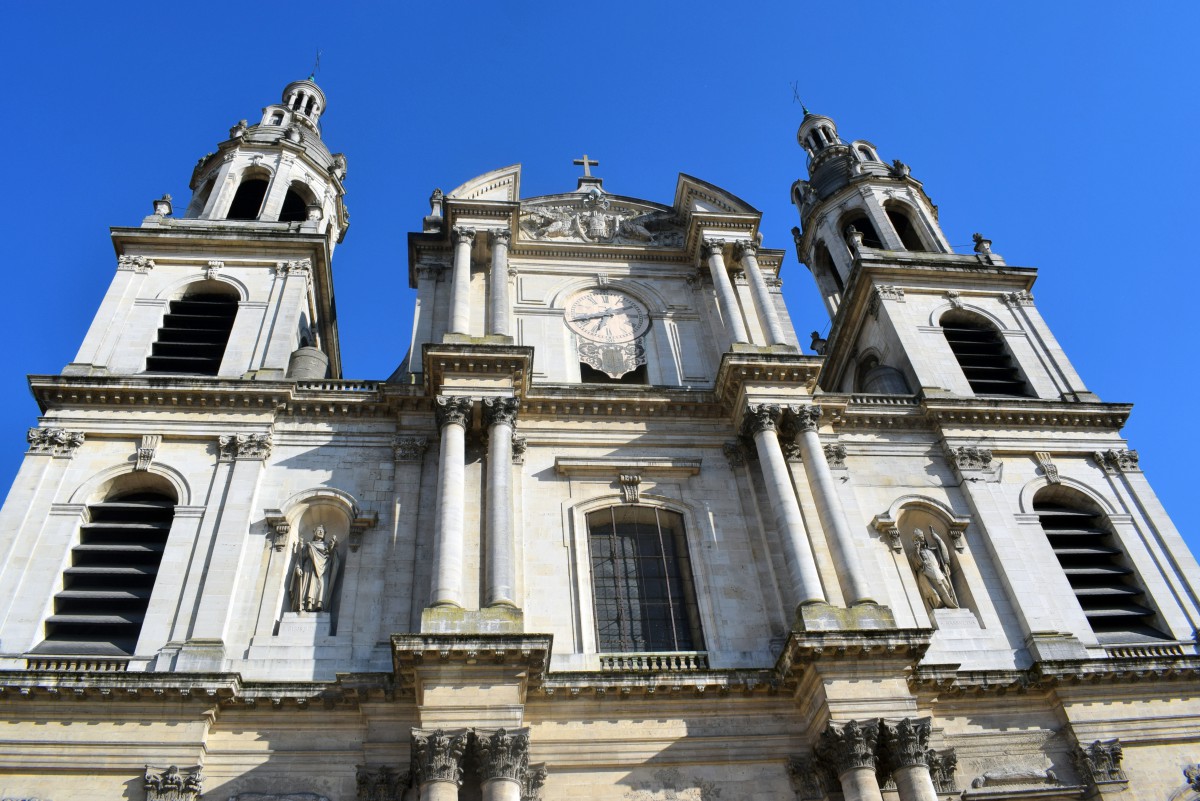
The façade of Nancy Cathedral © French Moments
The cathedral was constructed during the first half of the eighteenth century, with several architects contributing to its design, including Jules Hardouin-Mansart and Germain Boffrand.
Its broad classical façade, framed by two towers, differs considerably from the medieval Gothic cathedrals found in cities such as Metz, Reims or Strasbourg.
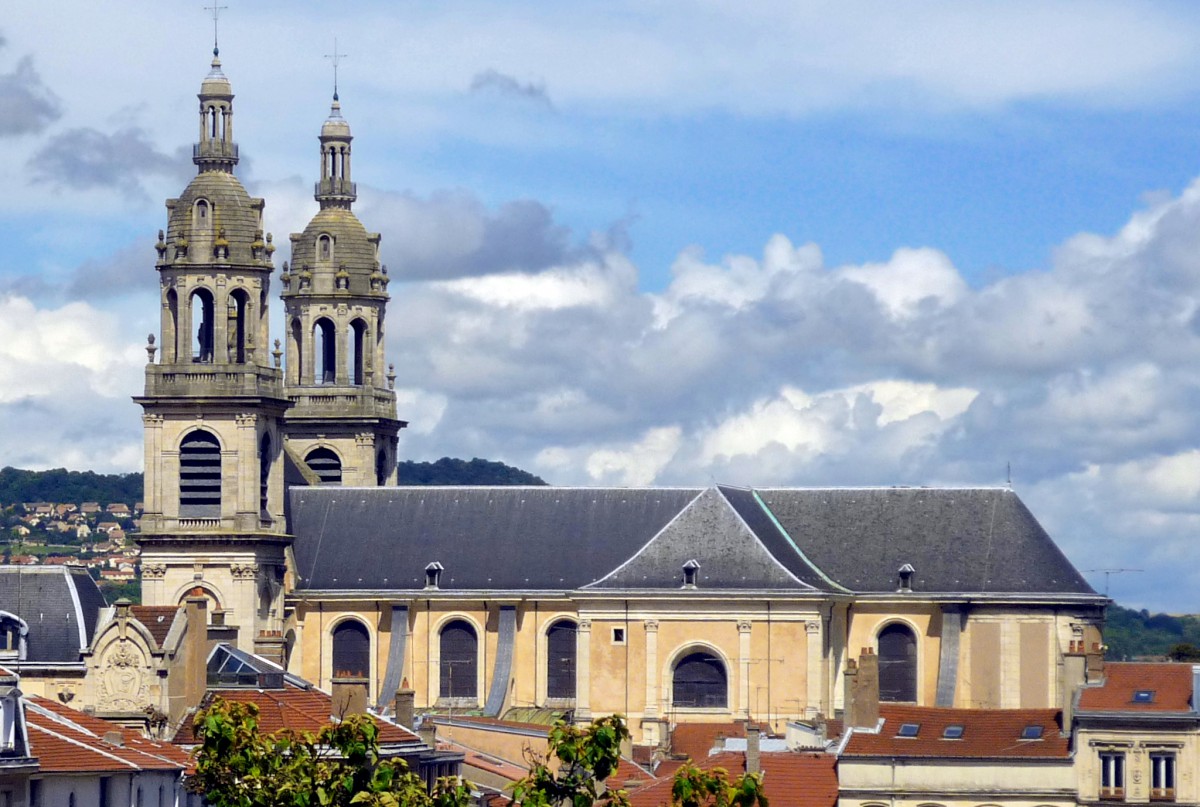
Nancy Cathedral © French Moments
Inside, look for the great iron gates associated with Jean Lamour, the painted dome and the monumental organ.
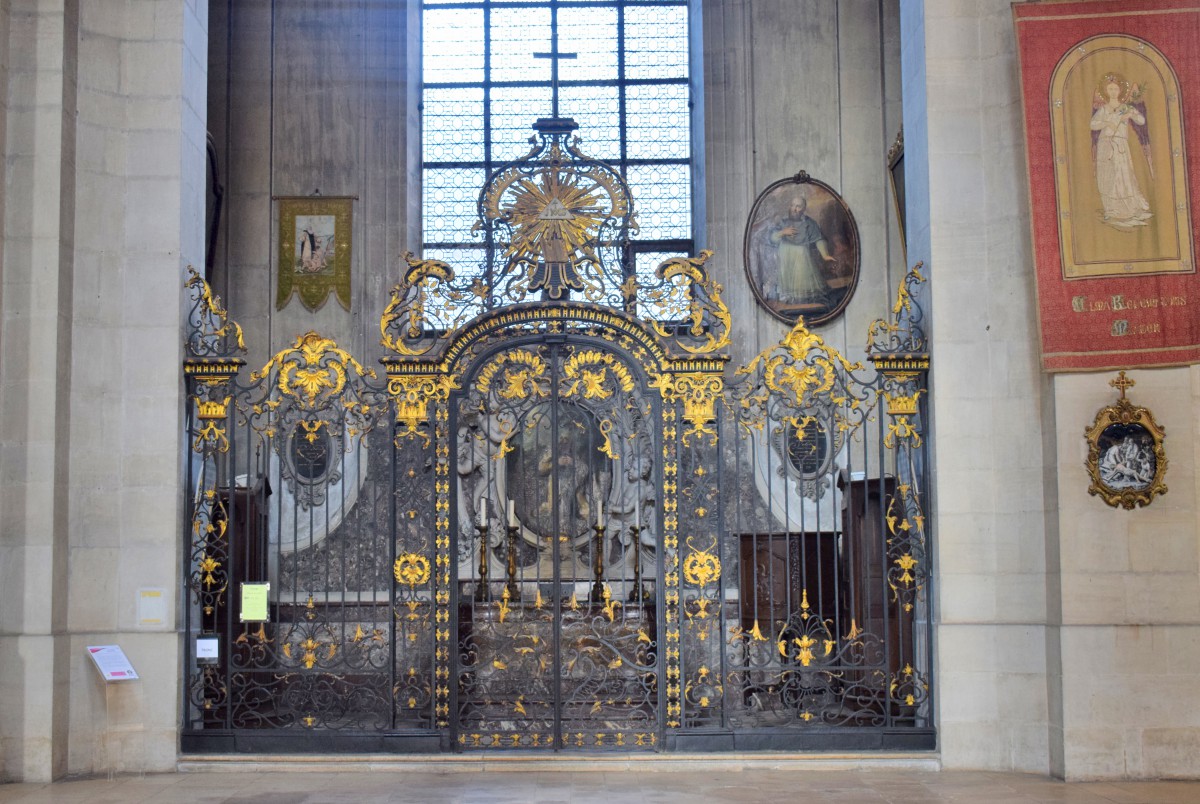
Wrought-iron railing, St Fiacre chapel, Nancy Cathedral © French Moments
Nancy Cathedral is not included within the UNESCO listing of the three squares. Nevertheless, it belongs to the same period of architectural renewal and provides an interesting religious counterpart to the civic monuments created under Stanislas.
Read my complete guide to Nancy Cathedral before your visit.
Practical tips for visiting the 18th-century district of Nancy
The UNESCO squares are in the centre of Nancy and are easy to explore on foot.
Allow approximately 60 to 90 minutes for the three squares alone. With the Pépinière, the cathedral and time for photographs or refreshments, plan for two to three hours.
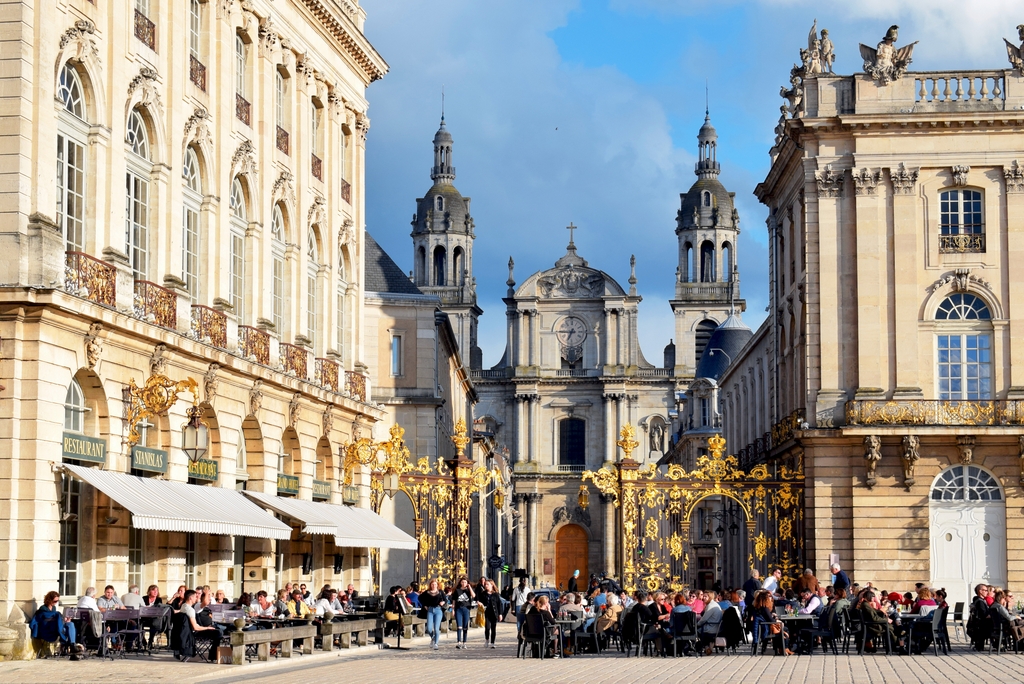
Nancy cathedral © French Moments
Place Stanislas is the most convenient starting point. From there, walk through Arc Héré to Place de la Carrière, return towards Place Stanislas and continue east to Place d’Alliance.
The walking distances are short and the route is mostly level.
Early morning is ideal for photographing the architecture with fewer people around. Late afternoon often brings warmer light to the façades and golden gates.
I also recommend returning to Place Stanislas after dark. Illuminated façades, fountains and gilded ironwork give the square a very different atmosphere from the daytime. It is an excellent excuse for seeing the same monument twice—which, in this particular case, is not excessive at all.
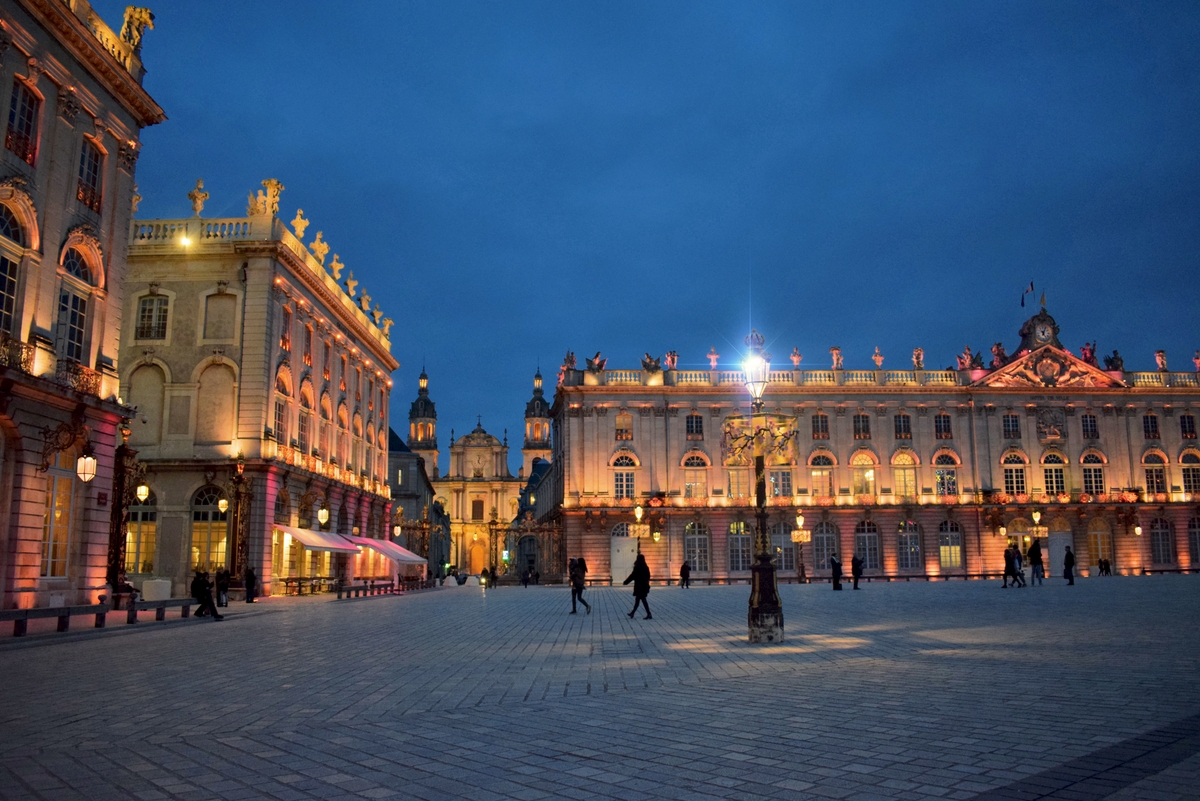
Looking towards the cathedral © French Moments
The Musée des Beaux-Arts is a natural addition to the walk, especially if the weather becomes uncooperative. Cafés and restaurants can also be found around Place Stanislas and in the nearby Old Town.
Where to stay in Nancy
Staying in central Nancy allows you to explore the city’s main attractions on foot, including Place Stanislas, the Old Town and the three UNESCO-listed squares.
For a first visit, the most convenient areas are around Place Stanislas, the Old Town and Nancy railway station. Each offers a slightly different experience.
Near Place Stanislas
The streets around Place Stanislas are ideal if you want to stay close to Nancy’s most famous landmarks. You will be within easy walking distance of Place de la Carrière, Place d’Alliance, Parc de la Pépinière and the Musée des Beaux-Arts.
This is one of the best locations for an atmospheric stay, particularly if you enjoy seeing Place Stanislas illuminated in the evening after the daytime visitors have begun to disappear.
In Nancy’s Old Town
The Old Town lies just north of Place de la Carrière. It is a good choice for travellers who enjoy historic streets, traditional architecture, cafés and restaurants.
From here, you can easily walk to the Porte de la Craffe, the Ducal Palace and the eighteenth-century district of Nancy.
Near Nancy railway station
The area around Nancy-Ville station is practical if you are arriving by train or planning day trips in Lorraine.
The station is approximately a 10 to 15-minute walk from Place Stanislas, depending on your accommodation. Hotels in this area are often convenient for shorter stays and early departures.
Check out Hotel Stanley by HappyCulture*** close to the station and Rue Saint-Jean.
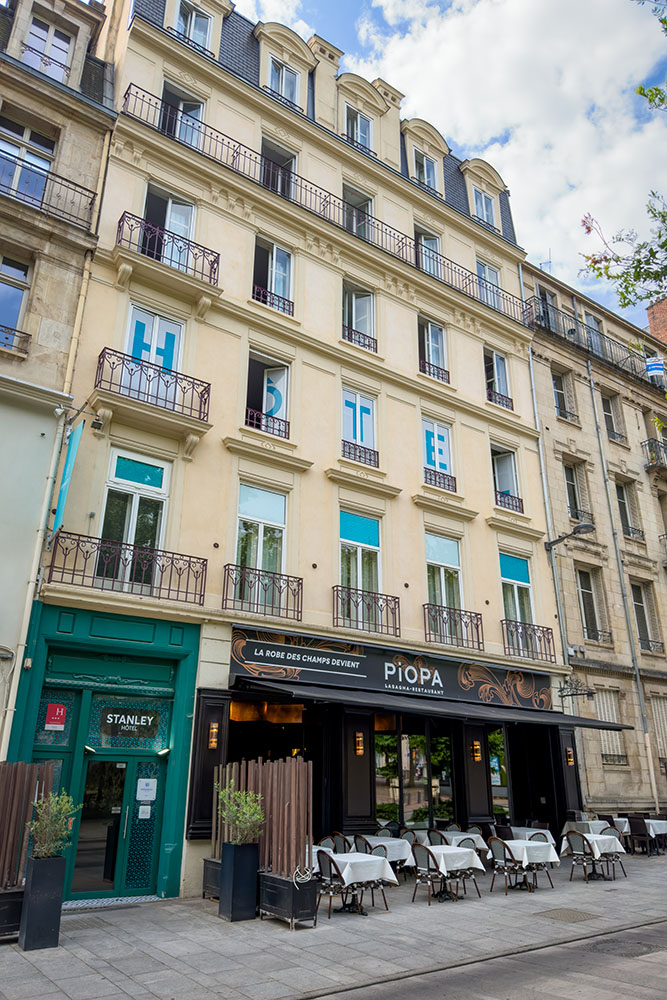
Stanley Hotel in Nancy © French Moments
Find accommodation in Nancy
Use the interactive map below to compare hotels, apartments and other accommodation in Nancy. You can zoom in on Place Stanislas, the Old Town or the railway station to find the location that best suits your visit.
This section contains affiliate links. If you book through the map or one of the links above, I may receive a small commission at no extra cost to you.
Frequently asked questions about the 18th-century district of Nancy
Which squares in Nancy are listed by UNESCO?
The UNESCO World Heritage Site consists of Place Stanislas, Place de la Carrière and Place d’Alliance. The three squares have been listed together since 1983.
Is Place Stanislas free to visit?
Yes. Place Stanislas and the other two UNESCO squares are public spaces and can be visited free of charge at any time. Museums, guided tours and certain buildings may charge admission.
How long does it take to visit Nancy’s three UNESCO squares?
You can walk through all three squares in less than an hour. Allowing 60 to 90 minutes gives you more time to examine the architecture, fountains and decorative details.
Is Place d’Alliance close to Place Stanislas?
Yes. Place d’Alliance is only a few minutes away on foot. Despite its proximity, it is quieter and is often overlooked by visitors.
What is the best place to begin the walk?
Begin on Place Stanislas, continue through Arc Héré to Place de la Carrière and then walk to Place d’Alliance. You can finish with Parc de la Pépinière or Nancy Cathedral.
Is Parc de la Pépinière part of the UNESCO site?
No. The official UNESCO property consists only of the three squares. However, the Pépinière was created during the reign of Stanislas and is historically connected with the eighteenth-century transformation of Nancy.

The entrance to Place Stanislas, Nancy © French Moments
Why you should explore the 18th-century district of Nancy
The UNESCO squares are not simply a collection of attractive monuments. Together, they tell the story of a city being redesigned according to the ideals of its age.
Stanislas and Emmanuel Héré created an ensemble that linked two previously divided parts of Nancy. They combined royal symbolism, public institutions, residential buildings, gardens and places where ordinary people could gather.
Place Stanislas provides the splendour. Place de la Carrière creates the perspective. Place d’Alliance supplies the intimacy.
Each square has its own personality, yet all three belong to the same carefully planned composition.
That is what makes the 18th-century district of Nancy so rewarding to explore. You do not merely visit three beautiful squares—you walk through one of the most accomplished urban designs of Enlightenment Europe.