A stay in Paris rewards visitors who think carefully about where they sleep at night almost as much as it rewards those who plan their sightseeing. The city is large, its neighbourhoods are distinct in character, and a poor choice of base can turn a dream trip into a logistical headache of long Métro rides and missed mornings. Before booking anything, it helps to understand what each arrondissement actually offers and how that fits the rhythm of the trip you have in mind.
For travellers staying more than a few days, choosing a short-term apartment rental in Paris often makes more sense than booking a hotel room. An apartment gives you a kitchen in which to prepare a simple breakfast, more space to spread out after a day of walking and, in many cases, a genuine sense of what it feels like to live in a Parisian neighbourhood rather than simply pass through it.
That said, the right choice of accommodation type matters far less than the right choice of location, and the two decisions should be made together.
Understanding the Layout for Your Stay in Paris
Paris is organised into twenty arrondissements that spiral outwards from the centre like a snail shell, starting at the Louvre and winding clockwise towards the edges of the city. This structure is worth understanding before booking anything, because arrondissement numbers correspond broadly to distance from the historic centre.
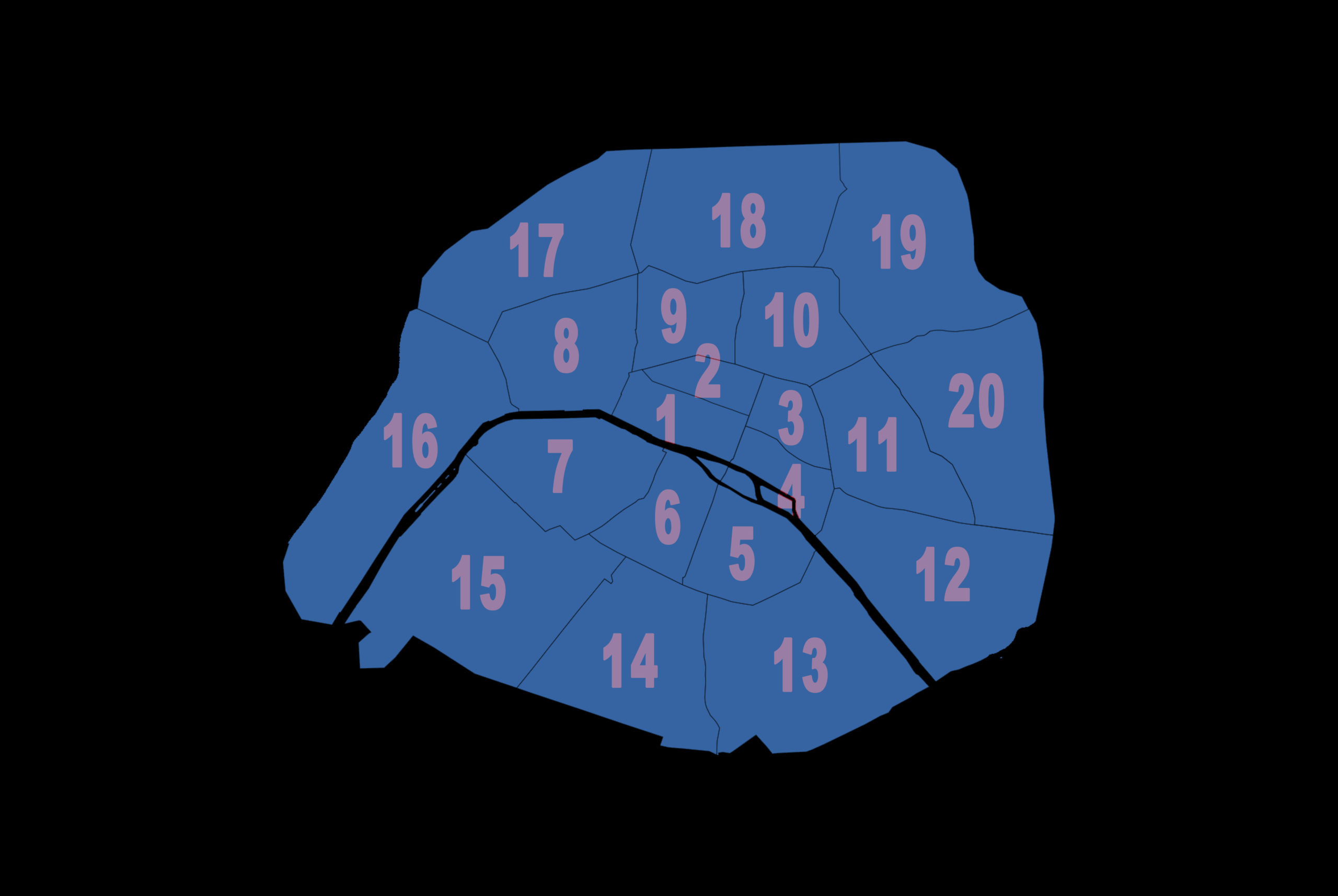
The first through the seventh arrondissements sit at the heart of the action, packed with landmarks, museums and the kind of postcard views that draw people to Paris in the first place. The eighth through the twelfth, along with the sixteenth through the twentieth, offer a mixture of residential calm and local commerce, often at a gentler price and pace.
Knowing this layout helps travellers set realistic expectations for their stay in Paris. Staying in the first arrondissement puts the Louvre and the Tuileries Garden on your doorstep, but it also means higher prices and more tourist traffic. Staying further out might involve a ten- or fifteen-minute Métro journey to the major sights, but it often comes with quieter streets, better value and neighbours who are actually Parisian rather than fellow visitors.
Matching Your Stay in Paris to Your Travel Style
Different neighbourhoods suit different kinds of trips. The Marais, spanning parts of the third and fourth arrondissements, appeals to travellers who want to walk almost everywhere. It is dense with galleries, boutiques and centuries-old architecture, while also sitting within easy reach of Notre-Dame and the Bastille.
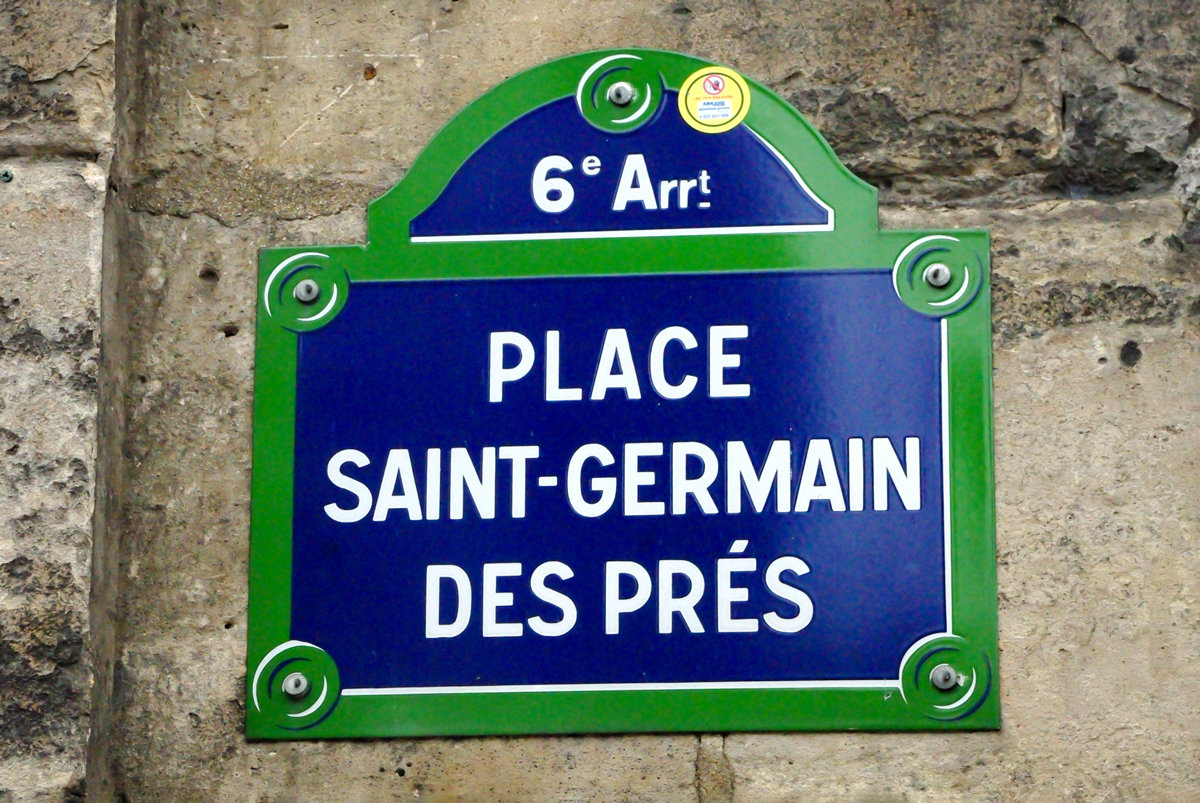
Saint-Germain-des-Prés, in the sixth arrondissement, suits those drawn to literary history, café culture and a slower, more contemplative pace.
Families and those travelling with children sometimes prefer the seventh arrondissement, home to the Eiffel Tower and Les Invalides, where wide avenues and green spaces can make daily life easier to manage with a pushchair or tired legs.
Younger travellers and those on a tighter budget often gravitate towards the eleventh arrondissement, a neighbourhood known for its nightlife, informal restaurants and more contemporary, less museum-focused identity.
None of these choices is objectively better. Each simply serves a different way of experiencing the city. The best neighbourhood for your stay in Paris is therefore the one that reflects how you genuinely intend to spend your days, rather than the one that appears most frequently in guidebooks.
Practical Considerations Beyond Charm
Beyond atmosphere, a few practical factors deserve attention. Proximity to a Métro station often matters more than proximity to a particular monument, since the transport network makes most of the city reachable within thirty minutes, regardless of where you stay.

It is worth checking which lines serve a particular address and how many changes a typical day’s itinerary would require. A property that appears slightly further from the centre may prove more convenient if it sits close to a well-connected Métro line.
Noise is another factor that is easy to overlook. Streets near major nightlife areas or busy commercial avenues can remain lively well into the night, which suits some travellers and frustrates others. Checking a map for nearby bars, markets, restaurants or major roads can prevent an unwelcome surprise on the first night.
It is also worth remembering that Parisian buildings vary considerably. Older properties may have plenty of charm but no lift, narrow staircases or rooms that are smaller than expected. Travellers with limited mobility, heavy luggage or young children should check these details before confirming a booking.
Choosing Accommodation for a Longer Stay in Paris
The length of your visit should help determine the type of accommodation you choose. A weekend trip rarely justifies the extra planning that comes with an apartment, since a hotel’s simplicity and included services may be more convenient for such a short period.
A stay of a week or longer, on the other hand, often benefits from the additional space, laundry facilities and potential cost savings that a rented apartment can provide. This is particularly true for those travelling as a family or as part of a group.
Having access to a kitchen also makes it possible to enjoy Paris in a different way. Buying bread from a local bakery, fruit from a street market or cheese from a neighbourhood shop can become part of the experience rather than simply a way to save money.
For a longer stay in Paris, these small routines may help visitors feel temporarily connected to the neighbourhood around them. However, travellers should still consider convenience carefully. An attractive apartment will be less appealing if it is poorly connected, difficult to access or located far from the places they most want to explore.
Weighing the Trade-Offs
There is no single “best” arrondissement, and travellers who ask for one are often disappointed by the answer because so much depends on personal priorities.
Someone who wants to walk out of the door and see the Eiffel Tower will make a different choice from someone who wants to eat where local residents eat and shop where they shop. Budget, mobility, travel companions and the season of the visit all shift the calculation.

Central accommodation generally reduces travel time but increases costs. A more residential district may offer greater space and better value, but requires more frequent use of public transport. A lively neighbourhood can provide an exciting atmosphere, while also making a quiet night’s sleep more difficult.
What remains constant is the value of thinking about these trade-offs in advance. Paris is a city best explored on foot and by Métro, and the base you choose shapes how much time you spend doing either. A little research into neighbourhood character, transport access and the practical rhythms of daily life will do more to improve a trip than almost any single sightseeing decision made once you arrive.
Making the Right Choice for Your Stay in Paris
Choosing where to stay in Paris is not a minor logistical detail. It is one of the decisions that most strongly shapes the character of a trip.
By understanding the city’s arrondissement structure, matching a neighbourhood’s atmosphere to your personal travel style and weighing practical factors such as transport access, noise and length of stay, you can select a base that supports rather than complicates your time in the city.
There is no universally correct answer, only the answer that best fits the traveller standing in front of it.