First-time visitors often visualise Paris in winter as a film set with empty boulevards and a little frost on the bridges.
The city actually gets a bit more useful than a postcard.
It feels calmer than peak season, yes, but still very alive, with museums, cafés, shopping streets, and holiday events keeping the pace steady.
Greater Paris attracted more than 37 million tourists in 2023, thanks to the winter’s smart window that rewards slower sightseeing and easier museum time.
Paris in Winter: what do first-timers usually expect?
The usual fantasy in Paris starts with romance. People expect perfect cold weather, glowing lights, and quiet landmarks with no one else in the frame.
They also anticipate winter to mean a city partly shut down, which sounds logical until you look at how Paris actually works.
The city keeps feeding culture year-round, and statistics show a deep tourism base, with 143 museums and 2,230 historical monuments in Greater Paris.
That density explains why winter still feels full, even when the sidewalks seem a little less packed than in spring or early summer.
What also catches people off guard is pricing.
Many first-timers assume Paris always sits in the same expensive bracket, yet winter often opens a better value lane, especially in January and February outside New Year’s and Valentine’s Day.
Hotel rates mostly fall in winter, and there are more choices and better wiggle room on apartments. Timing is the catch here since holiday weeks still pull prices back up.
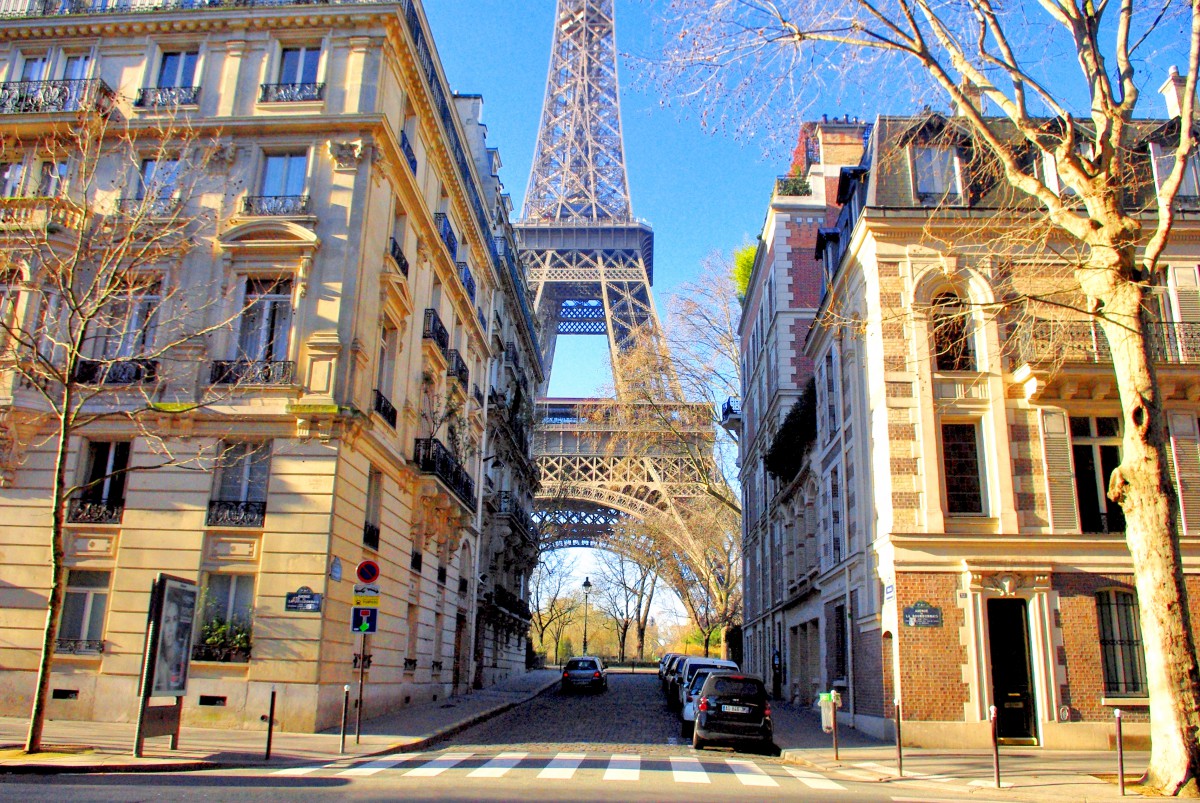
What does Paris in winter actually feel like?
The weather is the first reality check. Paris in January averages about 45°F / 35°F, and February sits near 47°F / 35°F, with each month bringing less than 2 inches of precipitation on average.
That sounds mild on paper, yet the city can feel colder once wind, damp pavements, and long walks stack up together.
Timeanddate’s February 2026 daylight chart also makes the season feel shorter than many visitors expect, with day length moving from about 9 hours 27 minutes at the start of the month to 10 hours 57 minutes by the end.
The better mental picture is not a frozen capital, but a city that leans indoors without losing its rhythm.
Winter is ideal for moving between heated museums, cafés, and department stores.
Visitors can experience exhibitions, walks, winter events, and comfort food like raclette, bistros, cafés, and hot chocolate.
What surprises people in a good way?
A winter visit often feels more local than visitors anticipate.
Paris “belongs to the Parisians” in winter, and that idea lands quickly once you see how casually locals slide into cafés, bookstores, and covered arcades.
There is no point arguing that winter cuts down the pressure around major sights, even if Paris never becomes empty.
For a first trip, that shift matters more than pretty weather, since it gives you space to notice the city instead of simply queuing through it.
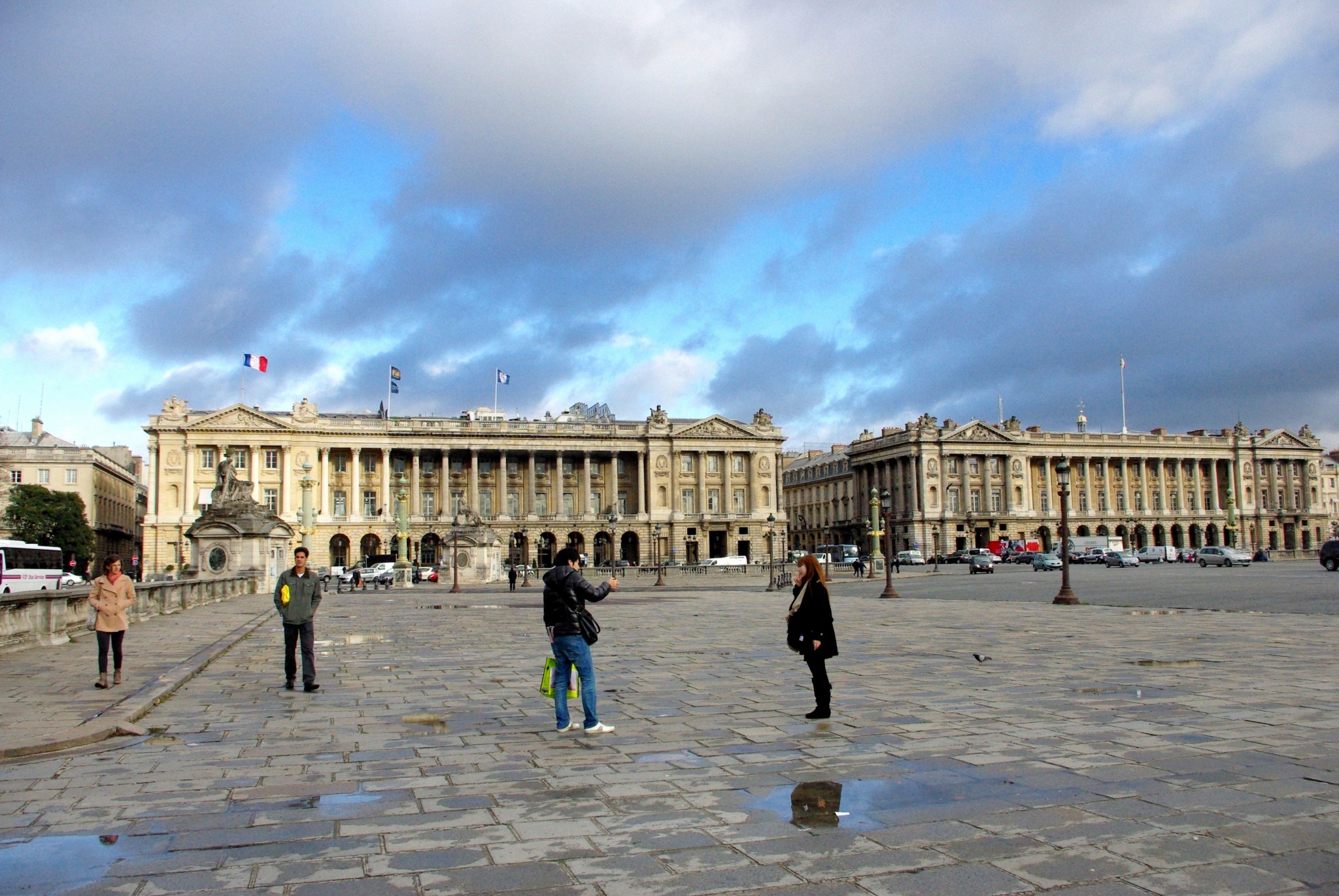
Paris in Winter: the expectation gap for first-timers
A few things trip first-time visitors because the gap between the idea and the reality runs wide.
- Quiet streets: You may find fewer tourists than in summer, yet Paris still stays busy, especially around the New Year and other event periods.
- Easy museum access: Lines often ease up, but major museums still draw steady traffic, so good timing still helps.
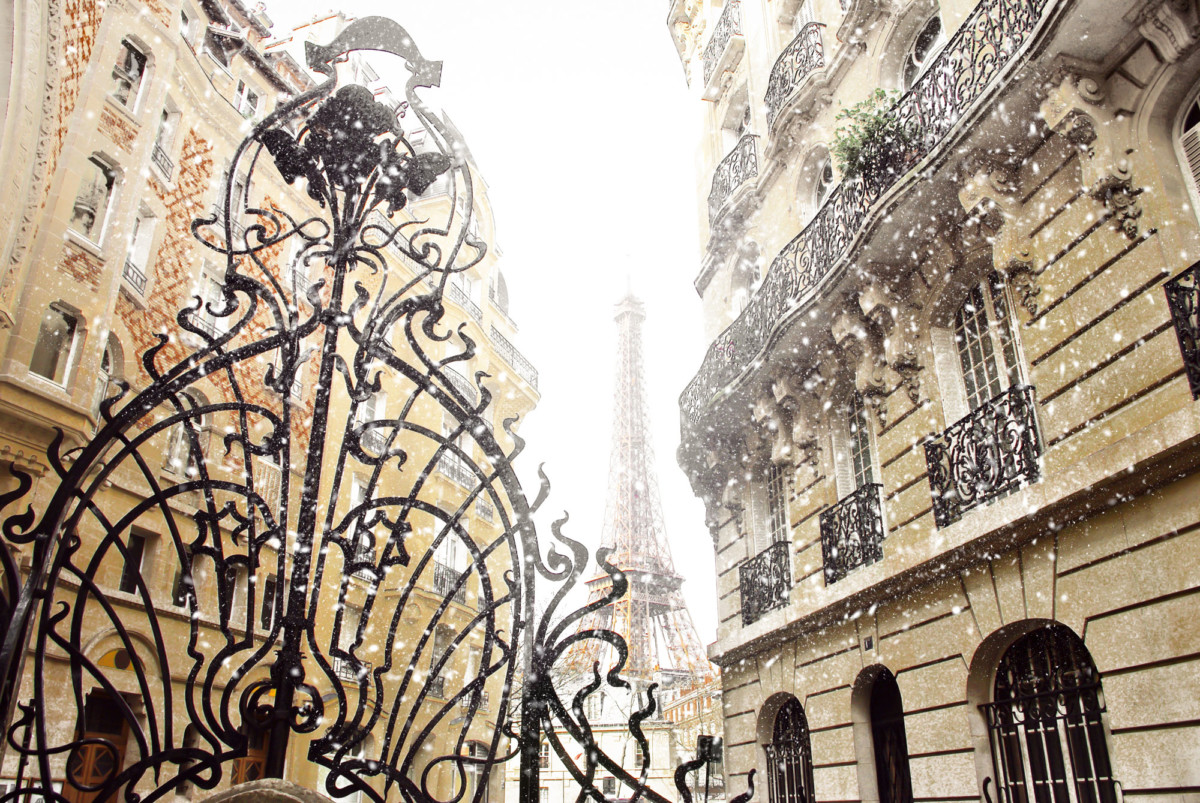
- Classic winter scenery: If you are chasing snow in Paris, keep the expectation modest. It can happen, but the city usually delivers rain, damp air, and a brief flurry rather than a postcard blanket.
- Everything is open all the time: Many museums and monuments close on 1 January, 1 May, and 25 December, so arrival dates deserve real attention.
Why January and February can be the smartest months
The first real winter surprise is shopping. The winter sales in 2026 ran from 7 January to 3 February, and weekday mornings brought a calmer experience.
Therefore, it is a good time for fashion lovers, especially if they prefer browsing without the crush that comes later in the year.
January is considered one of the best months to shop in Paris, which lines up neatly with the official sale window.
The second surprise is how well winter suits a slower itinerary.
Paris je t’aime’s tourism figures show that Greater Paris welcomed nearly 24 million hotel arrivals in 2023, yet its winter barometer for January 2024 still recorded a hotel occupancy rate of 62.4%, a sign that the city stays active while leaving more breathing room than peak periods.
It also estimated 5.1 million tourists in Greater Paris across January and February 2024.
It explains why winter can feel busy enough to be lively, but loose enough to feel manageable.
A better way to plan a first winter trip
The safest strategy is to build the trip around indoor anchors for a first visit, and let the outdoor moments happen naturally.
That means one or two major museums, a long lunch, a café stop, and a late afternoon walk when the light turns soft.
There will be fewer rushed crossings of the city, and more time in places that feel warm, calm, and lived in.
That approach fits winter Paris better than trying to force a summer-style sightseeing marathon.
It also helps to think in terms of timing, not just packing. If you arrive right after New Year’s, you get a better shot at calmer streets and lower rates.
If you land on a holiday date, the plan needs more flexibility because some major sites close and some tours scale back.
Not every tour runs in winter and certain public holidays alter museum access.
So, is winter a good first trip to Paris?
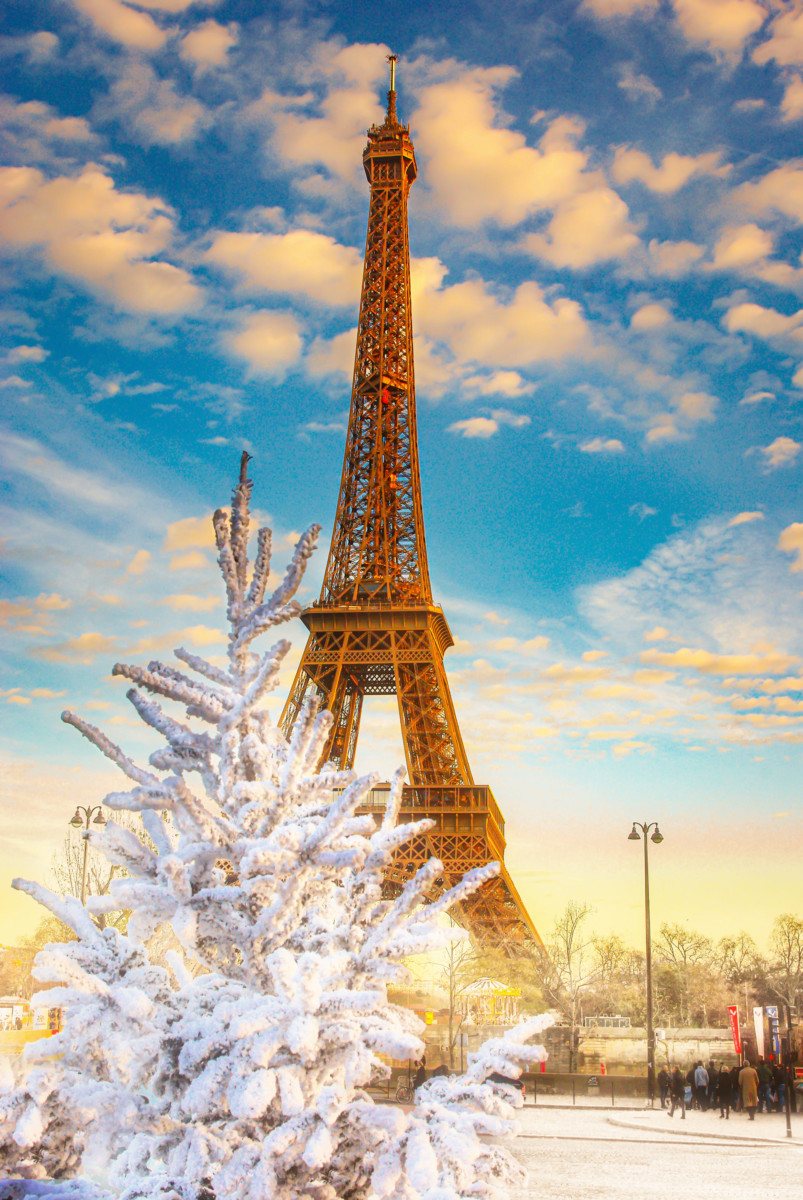
For many first-time visitors, yes. Winter strips away some of the pressure that can make Paris feel overhyped, expensive, or exhausting.
You still get the city’s architecture, food, museums, and style, but with a slower rhythm and a bit more room to breathe.
The trade-off is: you give up some sunshine and take on colder, shorter days, then you gain easier movement, more local flavour, and better value in parts of the season.
That balance makes winter Paris feel less like a compromise and more like a different, quieter version of the same unforgettable city.