I still remember the first time I saw the long bridge that links the mainland to the Ile de Ré.
There was a faint shimmer on the water, and the light felt somehow softer than it had only a few minutes earlier.
Maybe it was just the sea breeze rolling in, or that slight shift you feel when you sense the beginning of a slower rhythm.
Either way, it set the tone for what so many people look for during their Ile de Ré holidays.
The island in summer has its own particular beat — lively in places, almost hushed in others — and it never quite reveals everything at once.
Wait, before I go any further, I should go back a moment.
The first impression is usually about movement: bicycles everywhere, quiet lanes opening between pines, and that instinctive feeling that the best way to understand the island is not to rush it.
You notice how the heat settles differently, how people adjust without thinking, and how days stretch in ways you didn’t entirely expect.
Finding Your Corner of Ile de Ré
Before getting into the specifics of each village, there’s something practical that often comes up when people plan their stay.
If you’re looking for somewhere particularly comfortable — something private, something that fits the slower rhythm the island encourages — you might want to look at Île de Ré’s finest private villas.
It’s usually easier to decide where to base yourself once you’ve seen the different atmospheres, though, and that’s where the choice becomes interesting.
Choosing where to stay is almost like deciding which version of the island you’d like to inhabit for a little while.
And I didn’t fully realise that until I started exploring from one village to the next, seeing how sharply the landscapes and moods change.
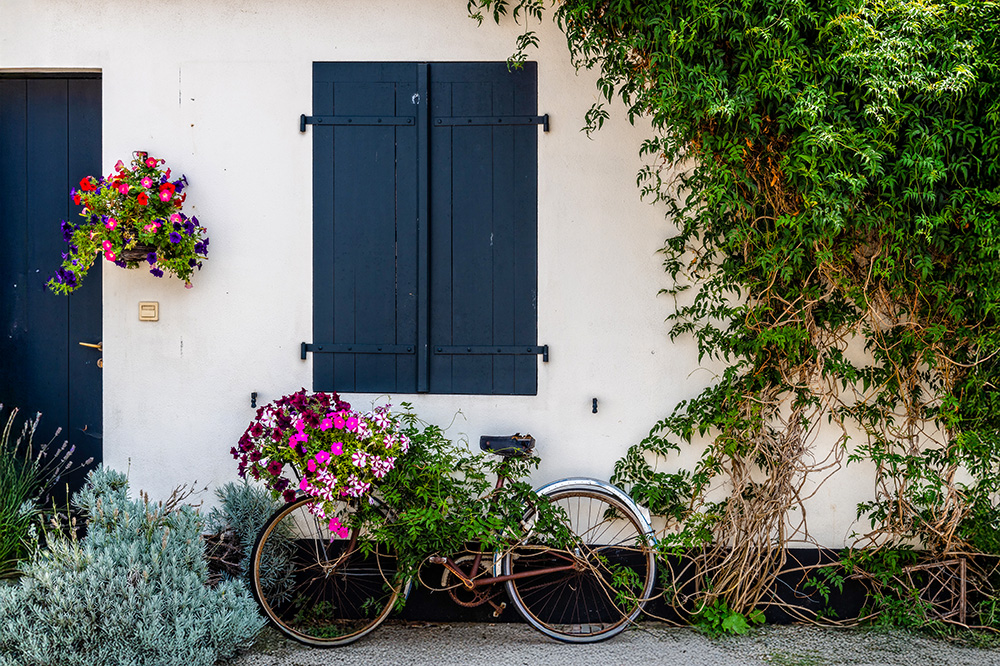
The Eastern Side: Heritage and a Certain Liveliness
Saint-Martin-de-Ré, for instance, feels like a place where history has settled into the stones.
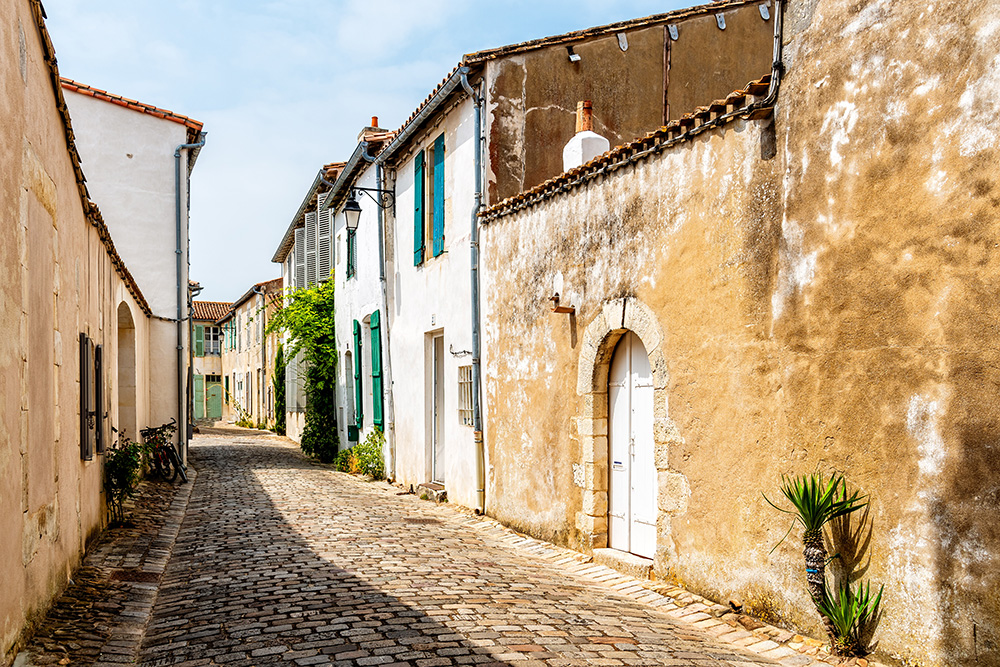
The UNESCO-listed fortifications rise quietly behind everything, and even if you don’t plan to visit them right away, you still feel their presence.
La Flotte, a short cycle away, has a different atmosphere.
The medieval market is one of those places where you stop “just for a moment”, and then suddenly you’re tasting cheese you didn’t intend to buy and watching someone examine handwoven baskets.
Its maritime spirit is still obvious, but there’s something softer about it.
And then there’s Rivedoux-Plage, the first village you meet when you arrive.
Broad beaches, oyster farmers offering tastings, and that early sense of space before you push deeper into the island.
The Centre: Beaches and Long Afternoons
The middle stretch of the island feels created for long beach days.
La Couarde-sur-Mer is the kind of place where people spend entire afternoons on the sand without quite realising how much time has passed.
The wind picks up, the sails appear, and suddenly you’re watching windsurfers cutting across the water.
Le Bois-Plage-en-Ré has a different tone: mornings at the market, families heading off with baskets, children already coated with sunscreen.
Sainte-Marie-de-Ré, a little quieter, brings things back to the essentials — cafés, small producers, and that slightly rural edge that reminds you the island still has a strong agricultural side.
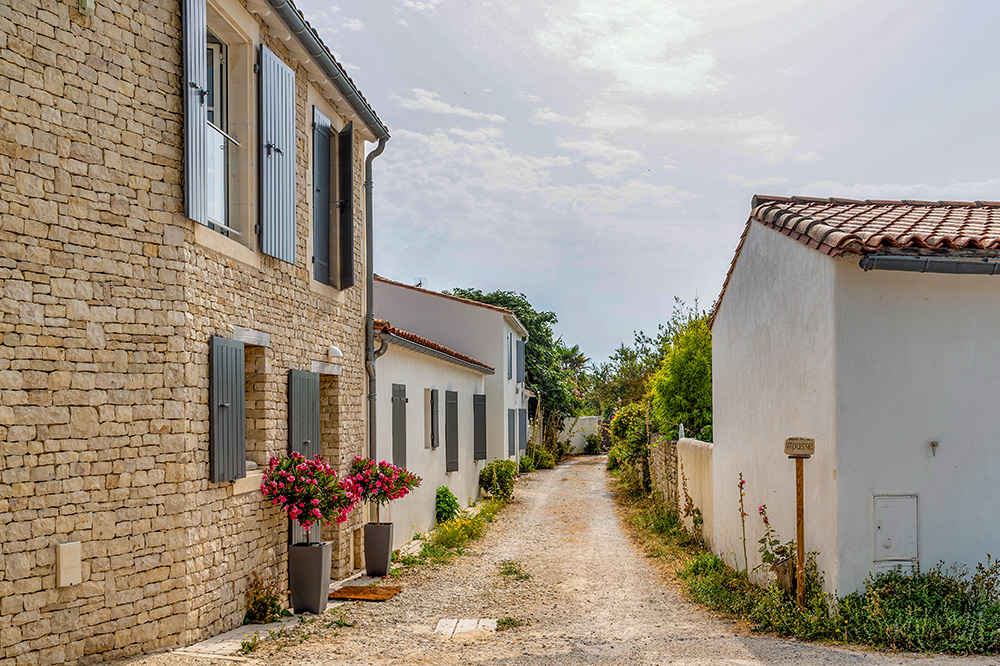
The Western End: Salt Marshes and Silence
When you reach Ars-en-Ré, the landscape opens up dramatically.
The salt marshes stretch out in pale, shimmering lines, and the black-and-white church spire stands above it all.
It’s one of those sights that seems almost too geometrical to be real.
Loix pushes that sensation even further — a village nestled deep within the marshes, accessible by a single road, surrounded by artisans and a slower, quieter way of life.
At the very end of the island, Les Portes-en-Ré and Saint-Clément-des-Baleines feel like an escape into something wilder.
Pine forests, dune paths, that long sweep of La Conche beach.
You get the sense that everything grows in its own time there, and visitors simply adapt to the rhythm.
![Portes-en-Ré Beach, Ile de Ré © Jubulon - licence [CC0] from Wikimedia Commons](https://frenchmoments.eu/wp-content/uploads/2025/12/Portes-en-Re-Beach-©-Jubulon-licence-CC0-from-Wikimedia-Commons.jpg)
Where Nature Shapes the Experience
You can’t really understand the Ile de Ré without noticing how much of the landscape is shaped by water — the tides, the marshes, the shifting flats.
The salt pans, especially near Ars-en-Ré and Loix, are unlike anything you would have seen before.
They’re wide open, and when the sun hits them, the colours change quickly: white, silver, pale blue, sometimes almost pink.
![La Flotte - Ile de Ré © Pline - licence [CC BY-SA 3.0] from Wikimedia Commons](https://frenchmoments.eu/wp-content/uploads/2025/12/La-Flotte-©-Pline-licence-CC-BY-SA-3.0-from-Wikimedia-Commons.jpg)
Walking or cycling through them, you start noticing details you’d normally miss — the call of birds, the faint outline of a saunier working a basin, the smell of warm seaweed.
Further west, the large nature reserve at Lilleau des Niges introduces a different kind of quiet.
It’s the sort of place where you pause without meaning to, realising you’ve been listening more than looking.
Birds gather there during migrations, and even if you’re not usually someone who pays attention to species or habitats, you sense the importance of it all.
The reserve makes you aware of the fragility of these wetlands, of the constant balance between tourism and preservation.
![Le Bois-Plage-en-Ré, Ile de Ré © Patrick Despoix - licence [CC BY-SA 4.0] from Wikimedia Commons](https://frenchmoments.eu/wp-content/uploads/2025/12/Le-Bois-Plage-en-Re-©-Patrick-Despoix-licence-CC-BY-SA-4.0-from-Wikimedia-Commons.jpg)
![Sainte-Marie-de-Ré Beach © Jubulon - licence [CC0] from Wikimedia Commons](https://frenchmoments.eu/wp-content/uploads/2025/12/Sainte-Marie-de-Re-Beach-©-Jubulon-licence-CC0-from-Wikimedia-Commons.jpg)
The Stories of Ile de Ré Held in Stone and Light
Some of the island’s most striking places blend history with the landscape.
The Vauban fortifications in Saint-Martin-de-Ré are an obvious example, but once you walk along the ramparts, the scale becomes clearer.
There’s a weight to the place — centuries of defence strategy, prisoners once held in the citadel, the strange mix of beauty and severity.
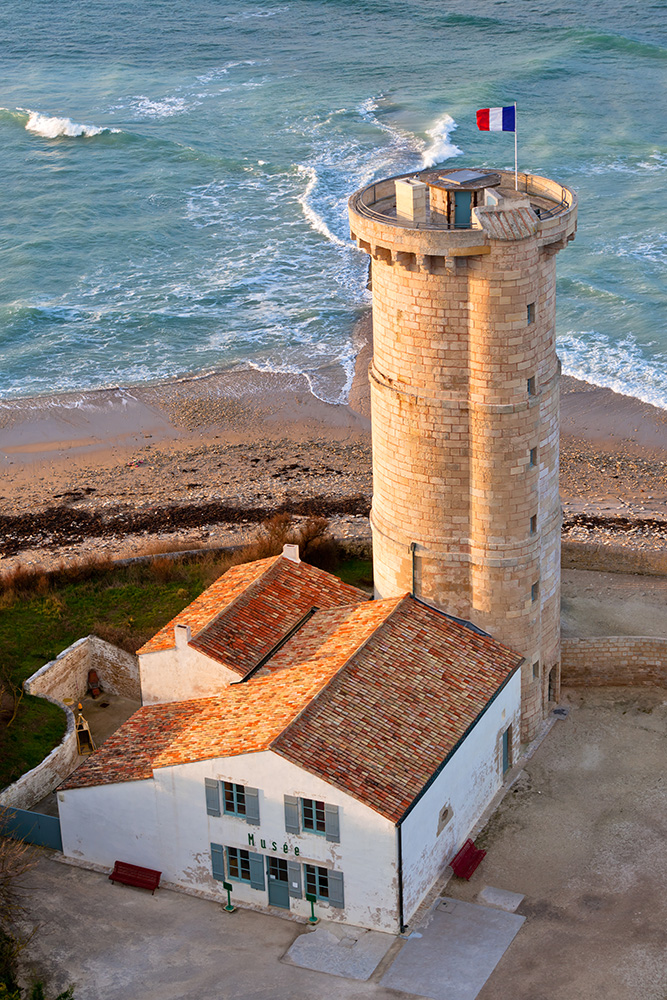
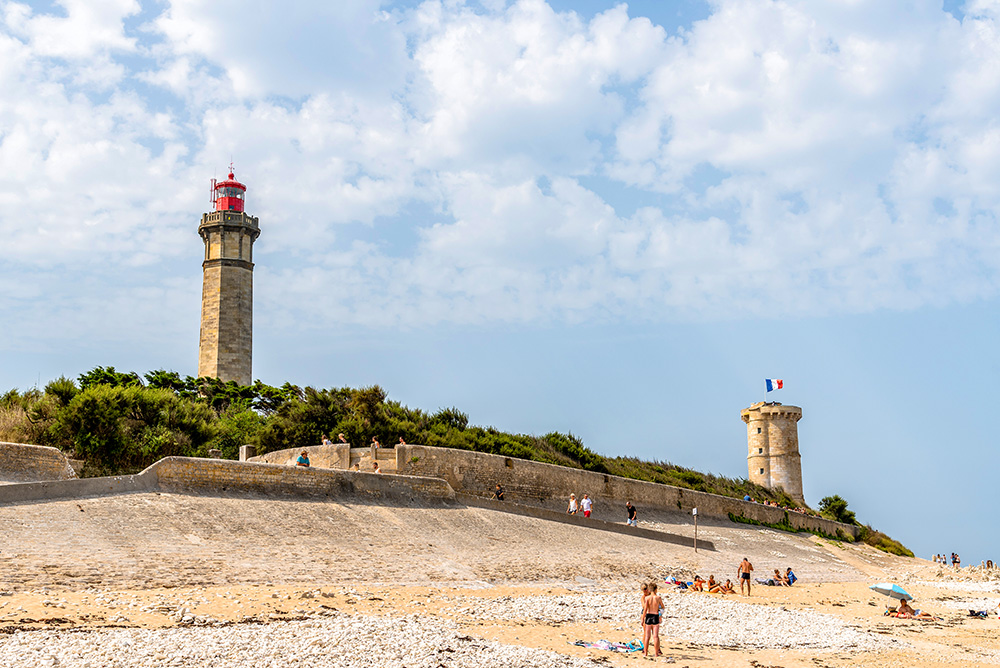
On the other side, near the tip of the island, the Phare des Baleines rises above the pines.
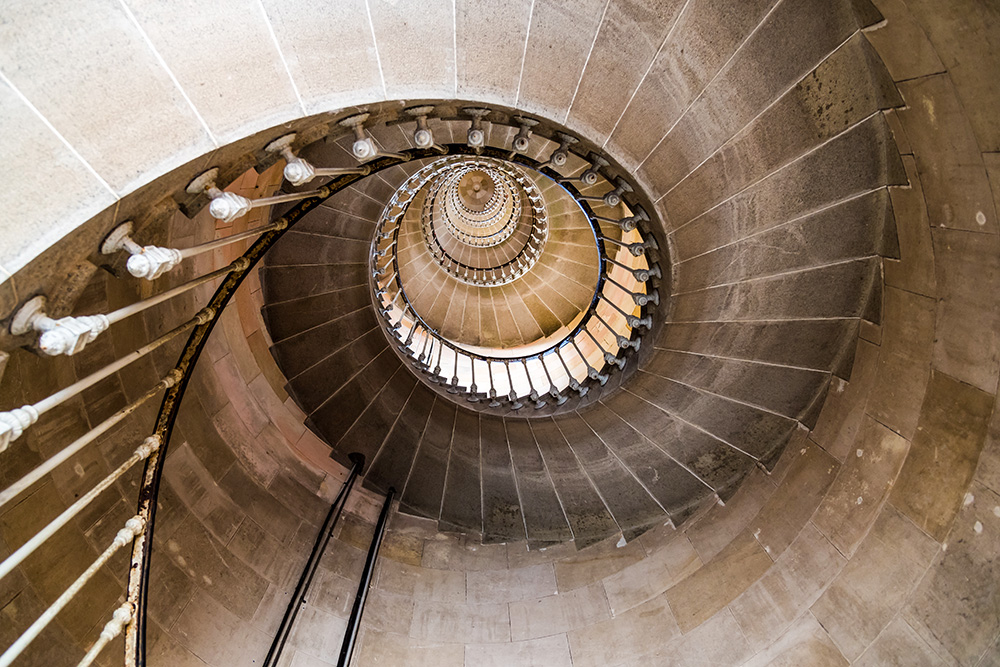
Climbing its steps is a small effort, especially on a hot day, but once you reach the top, the views stretch so far that you forget the climb almost immediately.
Below, the old tower still stands, slightly crooked, with that sense of watching centuries of tides come and go.
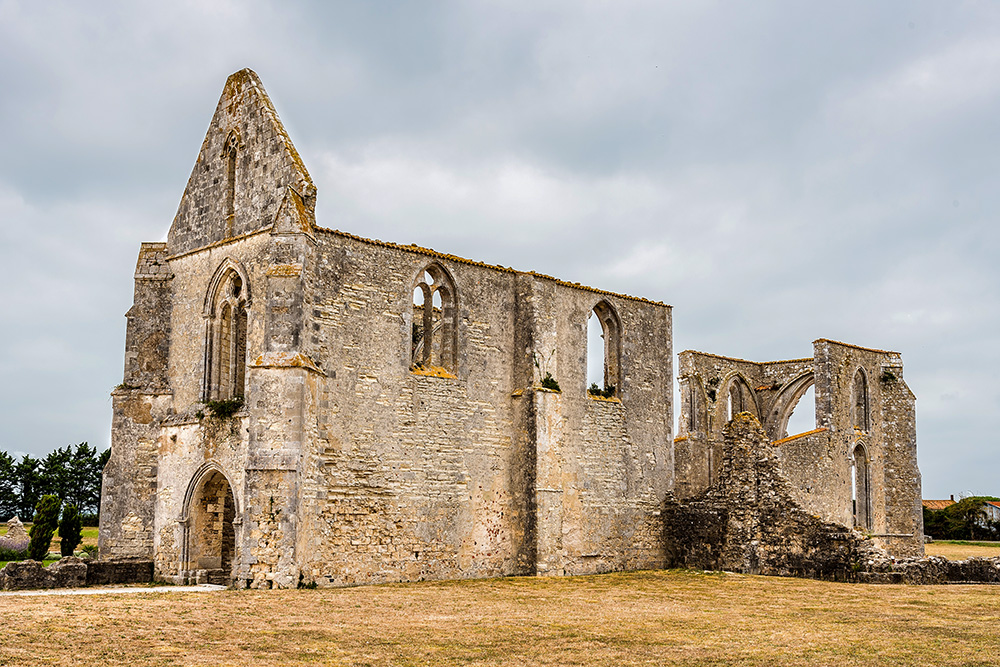
Between La Flotte and the coast, the ruins of the Abbaye des Châteliers appear suddenly along a cycle path.
It’s a quiet stop, but one that lingers in your memory — maybe because of how open it is, or because the sea air seems to move straight through the stones.
Cycling on Ile de Ré: The Island’s True Rhythm
It’s almost impossible to imagine summer on the island without bicycles.
You might learn the hard way that it’s hard to rent a free bike on arrival. The best is to always plan ahead.
Once you have a bike, though, the island changes shape.
![Les Portes-en-Ré, Ile de Ré © Jean-Pierre Bazard - licence [CC BY-SA 3.0] from Wikimedia Commons](https://frenchmoments.eu/wp-content/uploads/2025/12/Les-Portes-en-Re-©-Jean-Pierre-Bazard-licence-CC-BY-SA-3.0-from-Wikimedia-Commons.jpg)
Distances feel shorter, the heat feels less pressing, and the routes unfold one after another — through vineyards, pine forests, marshes, and narrow village lanes.
Some days you may set out without a plan and still end up doing twenty kilometres.
Other times, you may follow the routes more deliberately: towards the marais salants for those long horizons, or to the northern forests where the paths twist through dunes before reaching the sea.
And yes, on the hotter days, an electric bike makes all the difference — especially on the longer loops.
The nicest part is the simplicity of it: a pause for a drink in a shaded square, a stop at a market for fruit, or a moment by the water watching the tide shift.
If anything defines the pace of the island, it’s the sound of tyres on sandy paths.
Tastes and Textures of an Island Summer
In summer, the markets become the heart of daily life.
You wake up, cycle to the nearest square, and the air already smells of bread, melon, and coffee.
Some markets feel almost ceremonial, like the medieval one in La Flotte, while others have that straightforward “what do we need for lunch?” atmosphere.
Either way, everything tastes fresher — the potatoes from the island, the oysters you can try just a few minutes from their beds, the jams and honeys produced in small workshops.
The seafood, of course, calls to you at every turn, but the island also leans heavily into the simple pleasure of sitting somewhere shaded and letting the day stretch out.
Whether on a terrace near the port or with your feet in the sand, the sense of unhurried living takes over without you even trying.
And when evening arrives, there’s often something happening — a classical concert in a church, an open-air film screening, or just that glow that makes wandering around a harbour feel like enough.
A Final Thought on Slow Living in Ile de Ré
If there’s one thing you’ll take from your time on the island, it’s that the pace of summer there doesn’t come from doing less, but from doing things differently.
You move with the wind a little more, with the tides a little more, and with the bike paths almost entirely.
You discover that some moments — a picnic along the marshes, a quiet morning in a village still waking up, the first glimpse of the lighthouse — stay with you longer than you expect.
And to get a bit of city life, you might want to visit neighbouring La Rochelle, easily accessible via the bridge of Pont de Ré.

![Ré Bridge, Ile de Ré © Ruben Holthuijsen - licence [CC BY-SA 2.0] from Wikimedia Commons](https://frenchmoments.eu/wp-content/uploads/2025/12/Re-Bridge-©-Ruben-Holthuijsen-licence-CC-BY-SA-2.0-from-Wikimedia-Commons.jpg)
And perhaps that’s what Ile de Ré holidays are ultimately about: letting the island set the rhythm, even if just for a while.