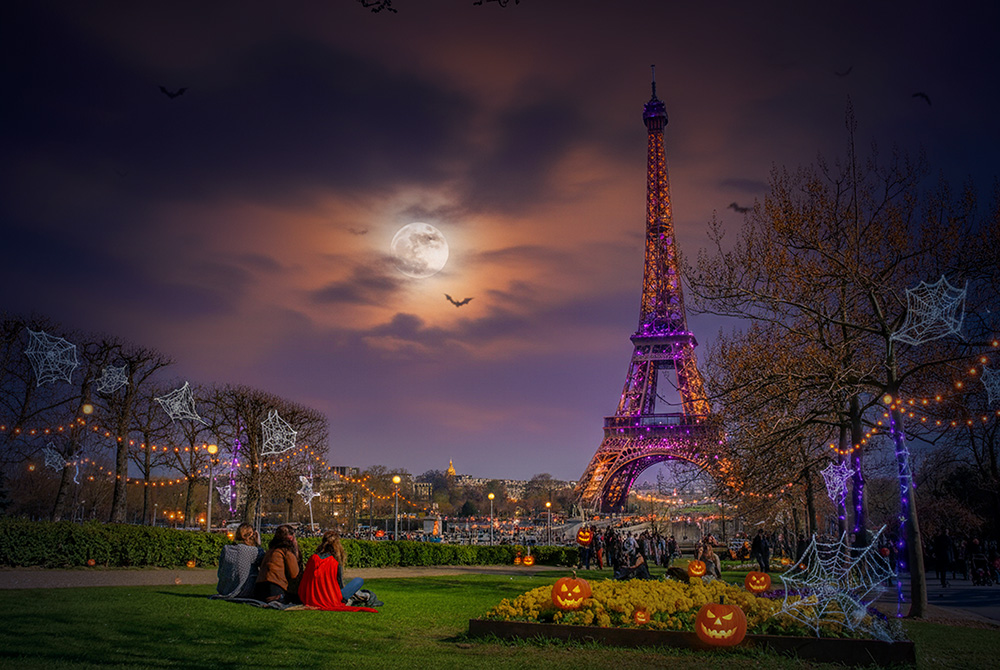


Each October, Halloween in France makes an appearance in shop windows, supermarkets and, increasingly, in family celebrations. Pumpkins, witches, ghosts and cobwebs remind us that 31 October is approaching.
But do the French actually celebrate Halloween?
The answer is yes, although not quite in the same way as in the United States or Britain.
Some French children dress up and go trick-or-treating, while teenagers and young adults enjoy Halloween parties. Theme parks, shops and entertainment venues also make the most of the occasion. Yet in many French towns and villages, the evening of 31 October can pass almost unnoticed.
There is also something rather curious about Halloween in France. Although the festival has become increasingly familiar, it still divides opinion. Some enjoy its playful atmosphere, while others see it as an American commercial import that has little to do with French traditions.
And then there is La Toussaint (All Saints' Day), celebrated on 1 November, when many French families traditionally visit cemeteries and place chrysanthemums on their relatives' graves.
How did Halloween find its way into France? Why did it enjoy such a spectacular rise in the 1990s, only to lose much of its popularity a few years later? And what does Halloween in France look like today?
To understand all this, we need to look at how the French celebrate Halloween, but also at the history and cultural traditions that have shaped their attitudes towards it.
Do the French Celebrate Halloween?
Yes, the French do celebrate Halloween, but it is far from being a universal tradition.
In France, Halloween falls on 31 October, just as it does in Britain, Ireland and the United States. However, there is no guarantee that you will see decorated houses, children in costumes or groups of trick-or-treaters when walking through a French town that evening.
Much depends on where you are, the neighbourhood and the enthusiasm of local families.
For some, Halloween is an occasion to have fun. For others, it is simply another day in the calendar.
Is Halloween Popular in France?
Halloween has certainly become more familiar in France since its commercial introduction in the 1990s. Yet its popularity remains uneven, particularly between generations.
A survey conducted by Toluna in October 2025 found that 29% of French adults intended to celebrate Halloween that year. The figure rose to 55% among people under 35, while 95% of respondents aged 65 and over said they would not be taking part.
These figures tell us something interesting: Halloween has found an audience in France, especially among young adults and families with children, but it has not become a tradition shared by everyone.
The same survey revealed that 61% of respondents felt Halloween was becoming more widespread in France. That is quite different from saying that 61% actually celebrated it.
This distinction is important. Halloween may be highly visible in supermarkets and on social media, but that does not mean every French household joins in.
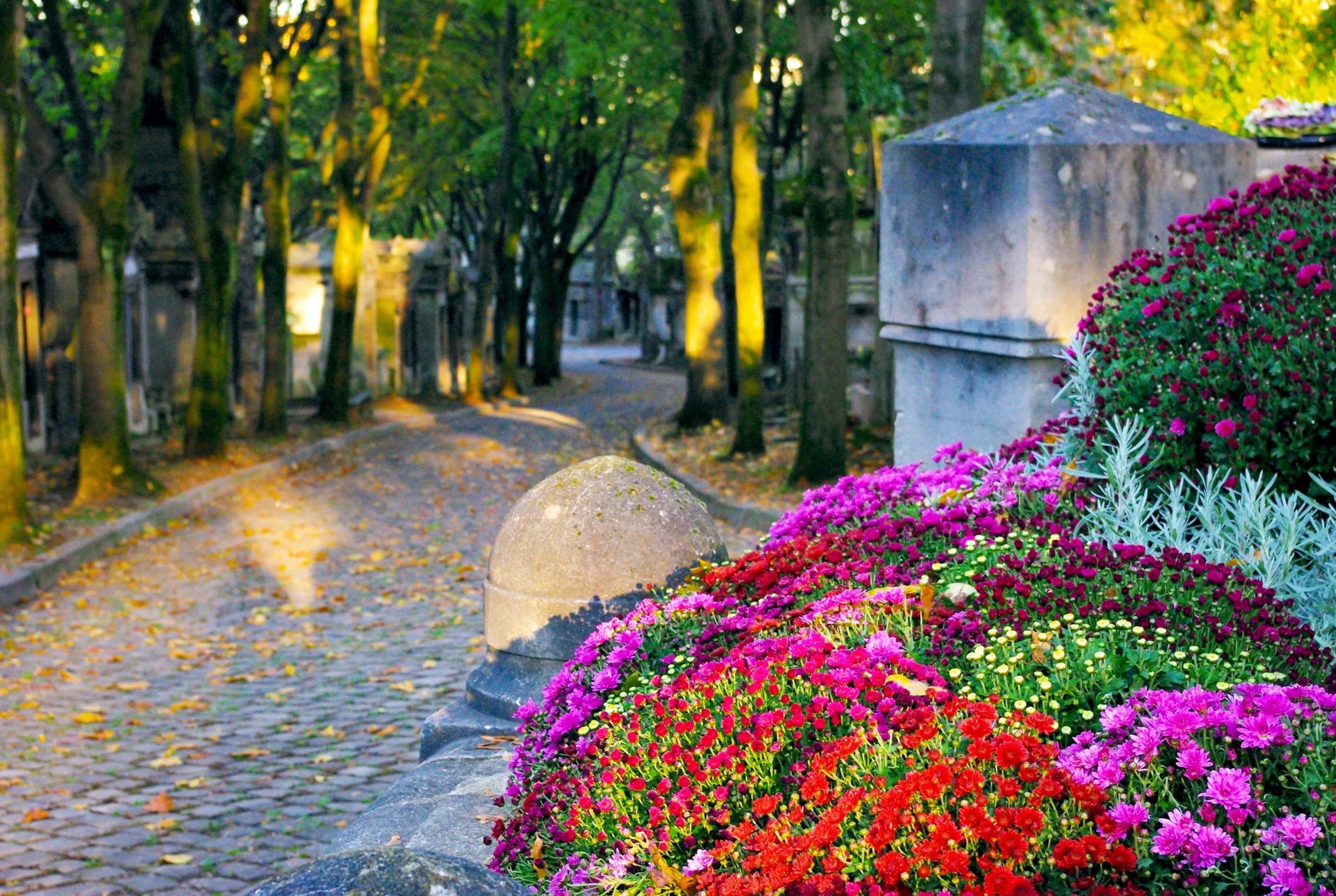
Toussaint - All Saints Day in France (Père Lachaise, Paris) © French Moments
Is Halloween a Public Holiday in France?
No, Halloween is not a public holiday in France.
The official public holiday is the following day, 1 November, known as La Toussaint (All Saints' Day).
This is an important distinction for visitors. Shops, restaurants and attractions generally operate according to their usual arrangements on 31 October, although some organise special Halloween events. On 1 November, opening hours may differ because it is a public holiday.
There is another detail worth knowing: Halloween usually falls during the French autumn school holidays, known as the vacances de la Toussaint.
This allows many families to organise activities for their children, even though Halloween itself is not an official French holiday.
How Is Halloween Celebrated in France?
If you happen to be in France on 31 October, you might come across children dressed as witches, pumpkins displayed in shop windows, or a Halloween party taking place in a local bar.
But don't expect the whole country to turn orange and black!
Halloween celebrations in France are rather varied. Some families enthusiastically embrace the occasion, while others take little notice of it. Much depends on local initiatives, particularly those organised for children.
Let's look at some of the ways Halloween is celebrated in France today.
Trick-or-Treating in France
Yes, French children do go trick-or-treating, although the custom is not nearly as widespread as in the United States.
In French, the expression trick or treat is usually translated as:
« Des bonbons ou un sort ! »
In some neighbourhoods, small groups of children, accompanied by their parents, go from door to door asking for sweets.
However, there is one important difference from what you might expect in Britain or America: not everyone in France is prepared for trick-or-treaters.
Some households have sweets ready, while others are surprised when someone rings their doorbell. And in many streets, nothing happens at all.
For this reason, trick-or-treating is sometimes organised within a particular neighbourhood or by a local association. Children may also visit participating shops rather than private homes.
If you are visiting France with children, it is worth checking whether the local town hall (mairie) or tourist office has organised a Halloween event.
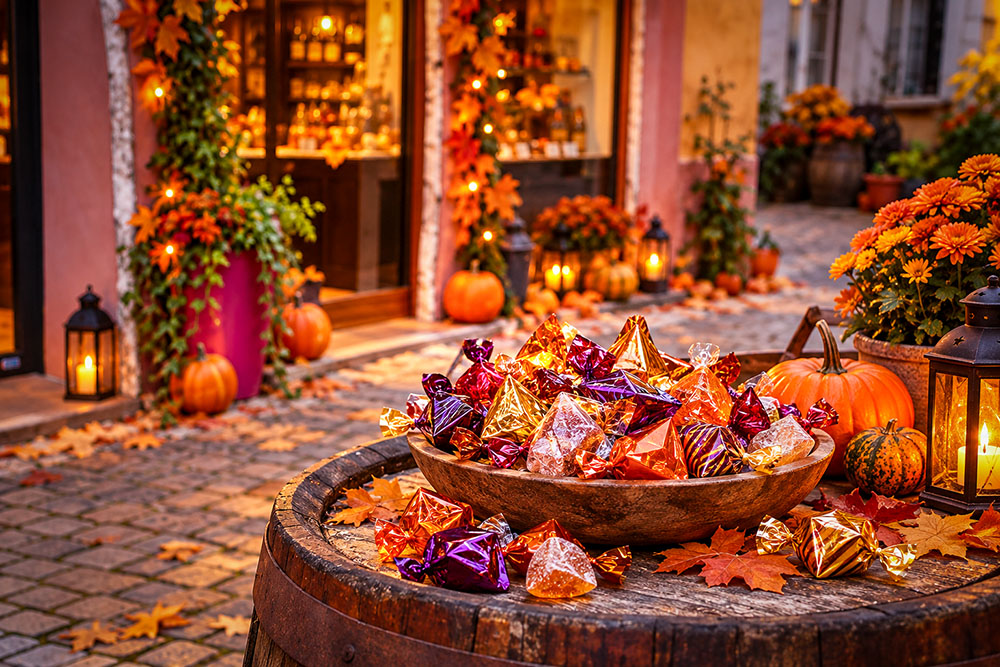
Halloween Sweets in Ribeauvillé
Halloween Costumes, Pumpkins and Parties
Halloween in France is also an opportunity to dress up, particularly for children and young adults.
Witches, vampires, skeletons, ghosts and zombies are among the familiar costumes. Unlike the more general fancy-dress approach sometimes seen in the United States, Halloween costumes in France often retain a strong connection with the frightening and supernatural.
Pumpkins have also become part of the Halloween landscape. In October, supermarkets and garden centres sell them alongside decorations, masks and bags of sweets.
Some families carve pumpkins into lanterns, while others prefer simpler decorations at home.
However, it would be an exaggeration to suggest that entire French neighbourhoods are decorated for Halloween. Outside particular residential areas or organised events, elaborate displays remain relatively uncommon.
For teenagers and adults, Halloween is often associated with parties rather than trick-or-treating.
Bars, nightclubs and other entertainment venues sometimes organise themed evenings, particularly in larger towns and cities. Horror films, costume competitions and special events are also part of the celebrations.
Theme parks have embraced Halloween, with some offering dedicated attractions and seasonal programmes.
Halloween in French Schools
Halloween sometimes finds its way into French classrooms, particularly through English-language lessons.
For teachers, it provides an opportunity to introduce pupils to English vocabulary, British and American customs, and cultural differences between countries.
Children may learn words such as witch, ghost, pumpkin or bat. Some classes create decorations, draw Halloween characters or take part in themed activities.
Occasionally, schools organise costume days or special events. However, this is not a nationwide tradition, and celebrations depend on individual schools and teachers.
There is also a practical reason why Halloween is not always celebrated at school: 31 October falls during the vacances de la Toussaint, the autumn half-term holidays in France.
As a result, activities often take place before the school holidays rather than on Halloween itself.
Halloween Events in French Towns and Villages
One of the more interesting aspects of Halloween in France is the role played by local communities.
Some municipalities, associations and shopkeepers organise activities for children, such as costume parades, treasure hunts, pumpkin-carving workshops or trick-or-treating routes through participating shops.
In certain places, Halloween becomes a popular local event. In others, the occasion passes almost unnoticed.
This makes it difficult to generalise about Halloween in France. The experience can be quite different from one town to another, and even from one neighbourhood to the next.
If you are planning to experience Halloween during a visit to France, my advice is simple: check the local events calendar rather than assuming that celebrations will take place everywhere.
Halloween in France vs the United States
If you are American and happen to spend Halloween in France, you might be surprised by how little happens on the evening of 31 October.
In the United States, Halloween is a well-established tradition. Children look forward to trick-or-treating, families decorate their homes, and some neighbourhoods become quite spectacular after dark.
In France, things are different.
Halloween has certainly found its place in the French calendar, but it has never become quite the same community event. You may come across a neighbourhood where children enthusiastically go from door to door, while a few streets away, there is hardly a pumpkin in sight.
Here are some of the main differences.
| Halloween tradition | France | United States |
|---|---|---|
| Popularity | Celebrated by some families and younger generations | Widely celebrated across generations |
| Trick-or-treating | Limited and dependent on local participation | A familiar neighbourhood tradition |
| House decorations | Usually modest, if present at all | Can be extensive and elaborate |
| Costumes | Often associated with witches, ghosts and monsters | Range from frightening characters to superheroes and humorous outfits |
| Community events | Usually organised locally | Common in neighbourhoods, schools and communities |
| Commercial importance | A relatively modest seasonal occasion | A major annual retail event |
| Public holiday | No | No federal public holiday |
| Cultural background | Became commercially prominent in the 1990s | Developed into a widespread tradition over several generations |
A Different Approach to Halloween
Perhaps the greatest difference is not what people wear or how many sweets they buy. It is the place Halloween occupies in everyday life.
In America, many families have their own Halloween memories and traditions. Parents who went trick-or-treating as children now take their own children around the neighbourhood.
In France, this continuity is much more recent.
For many French adults, particularly older generations, Halloween simply wasn't part of their childhood. They may have discovered it through television, American films or the promotional campaigns of the 1990s.
This helps explain why the celebration remains uneven today.
There is also the question of costumes. In France, witches, vampires, skeletons and other frightening characters are particularly associated with Halloween. In the United States, costumes can represent almost anything, from a horror-film monster to a favourite cartoon character.
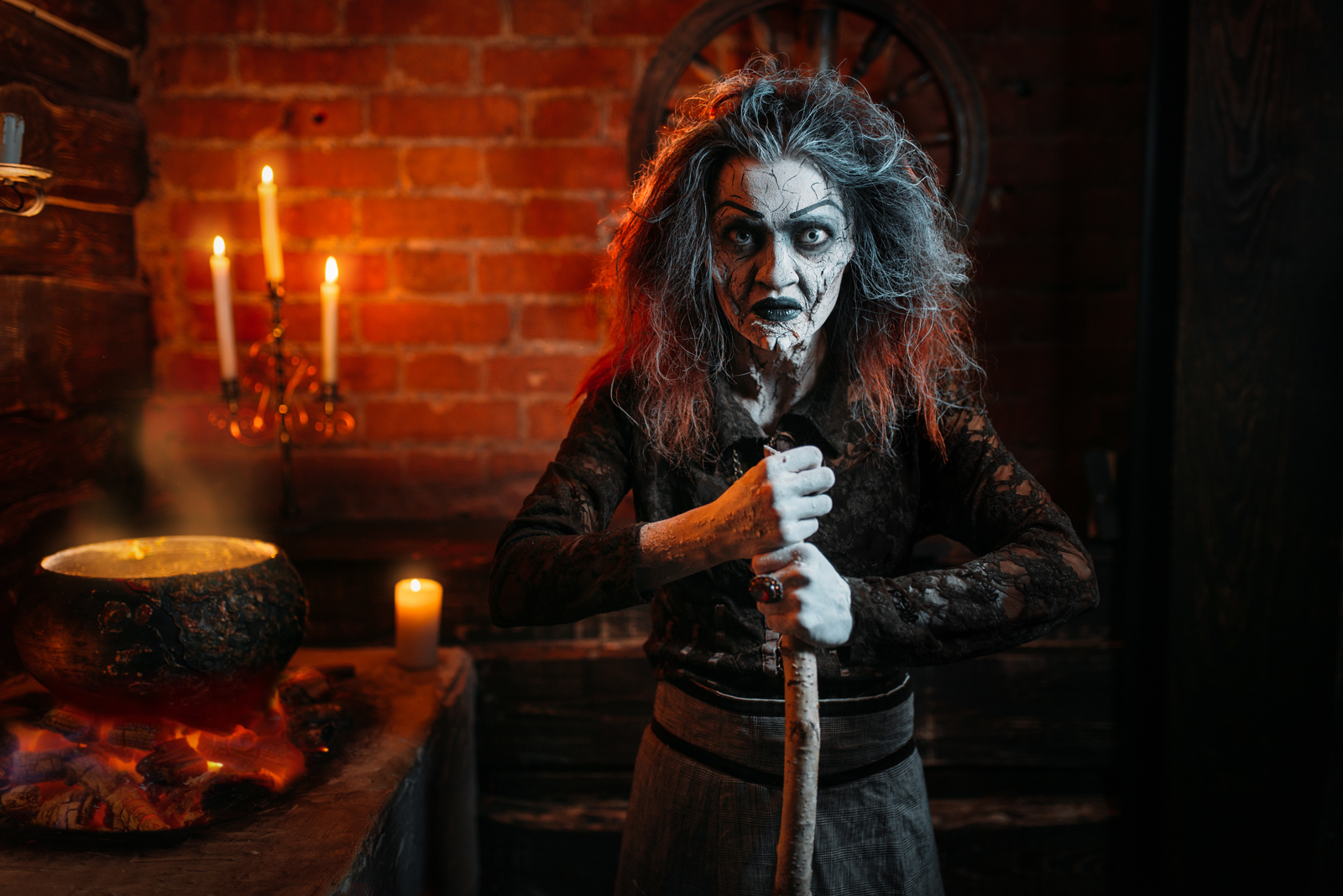
A scary Witch in Bergheim, Really? Photo by NomadSoul1 @ Envato
Of course, these are general tendencies rather than strict rules.
One last difference deserves attention. In France, Halloween falls immediately before La Toussaint, a public holiday with longstanding religious and family traditions.
And that brings us to another important question: how do Halloween and La Toussaint coexist in France?
Halloween and La Toussaint: Two Very Different Traditions
There is something rather striking about the French calendar at the end of October.
On 31 October, children may dress up as witches, ghosts or skeletons and go looking for sweets. The following day, many French families visit cemeteries, bringing flowers to the graves of their relatives.
Two very different ways of approaching death, separated by just a few hours!
This contrast helps explain why Halloween in France has sometimes been met with scepticism. But to understand the difference, we need to take a closer look at La Toussaint.
What Is La Toussaint in France?
La Toussaint, or All Saints' Day, is celebrated on 1 November.
It is a Catholic feast honouring all the saints, both known and unknown, and has been part of the French religious calendar for centuries.
Unlike Halloween, La Toussaint is a public holiday in France.
It is also associated with a longstanding family tradition: visiting cemeteries, cleaning graves and placing flowers on the resting places of deceased relatives.
If you visit a French cemetery around 1 November, you will probably notice the abundance of chrysanthemums.
These autumn flowers have become closely associated with remembrance in France. Florists, garden centres and supermarkets display them in great quantities in the days leading up to La Toussaint.
For many French people, chrysanthemums are not simply decorative flowers. They are strongly associated with graves and cemeteries.
There is, however, a small distinction worth mentioning.
Strictly speaking, the Catholic Church commemorates the faithful departed on 2 November, known as Le Jour des Morts or All Souls' Day. The previous day, 1 November, is dedicated to all the saints.
But because La Toussaint is a public holiday, many families visit cemeteries on that day rather than waiting until 2 November.
The two observances have therefore become closely connected in French family customs.
Why Can Halloween and La Toussaint Clash?
Imagine a shop window filled with plastic skeletons, witches and smiling pumpkins. Just a short distance away, a florist displays hundreds of chrysanthemums destined for the local cemetery.
That contrast says a great deal about the different meanings attached to the end of October in France.
Halloween is generally associated with costumes, sweets, parties and a playful approach to frightening imagery.
La Toussaint, on the other hand, has traditionally been a time for family remembrance, reflection and, for practising Catholics, religious observance.
When Halloween became commercially prominent in France during the 1990s, some people felt that its arrival was rather inappropriate so close to La Toussaint.
Others questioned why France needed to adopt a celebration they associated with American popular culture when the country already had its own traditions at this time of year.
Of course, not everyone sees a contradiction.
For many families, Halloween is simply an opportunity for children to have fun, while La Toussaint remains a separate occasion to remember loved ones. It is perfectly possible to take part in both.
And that is perhaps the most useful way to understand the relationship between Halloween and La Toussaint in modern France: they coexist, but they do not have the same cultural importance or meaning.
For a closer look at the religious and family traditions of 1 November, read my article on All Saints' Day in France (La Toussaint).
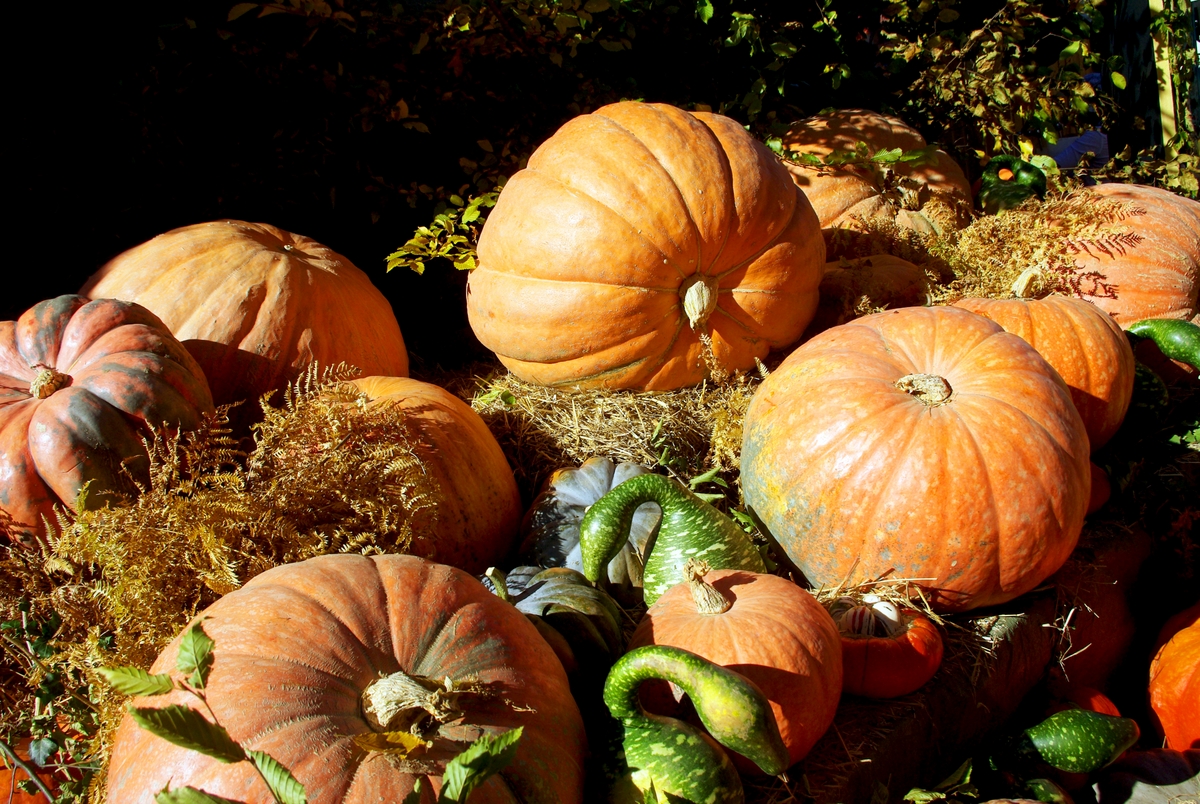
Pumpkins in Annecy, France © French Moments
The History of Halloween in France
Halloween may be familiar to French children today, but its rise in France is surprisingly recent.
Unlike Christmas, Easter or La Toussaint, Halloween did not develop into a widespread national tradition over several centuries. Its sudden popularity in the late 1990s was largely the result of advertising, retail promotions and the influence of English-speaking countries.
Yet the story is not quite as simple as an American celebration arriving in France.
To understand it, we must first go back much further.
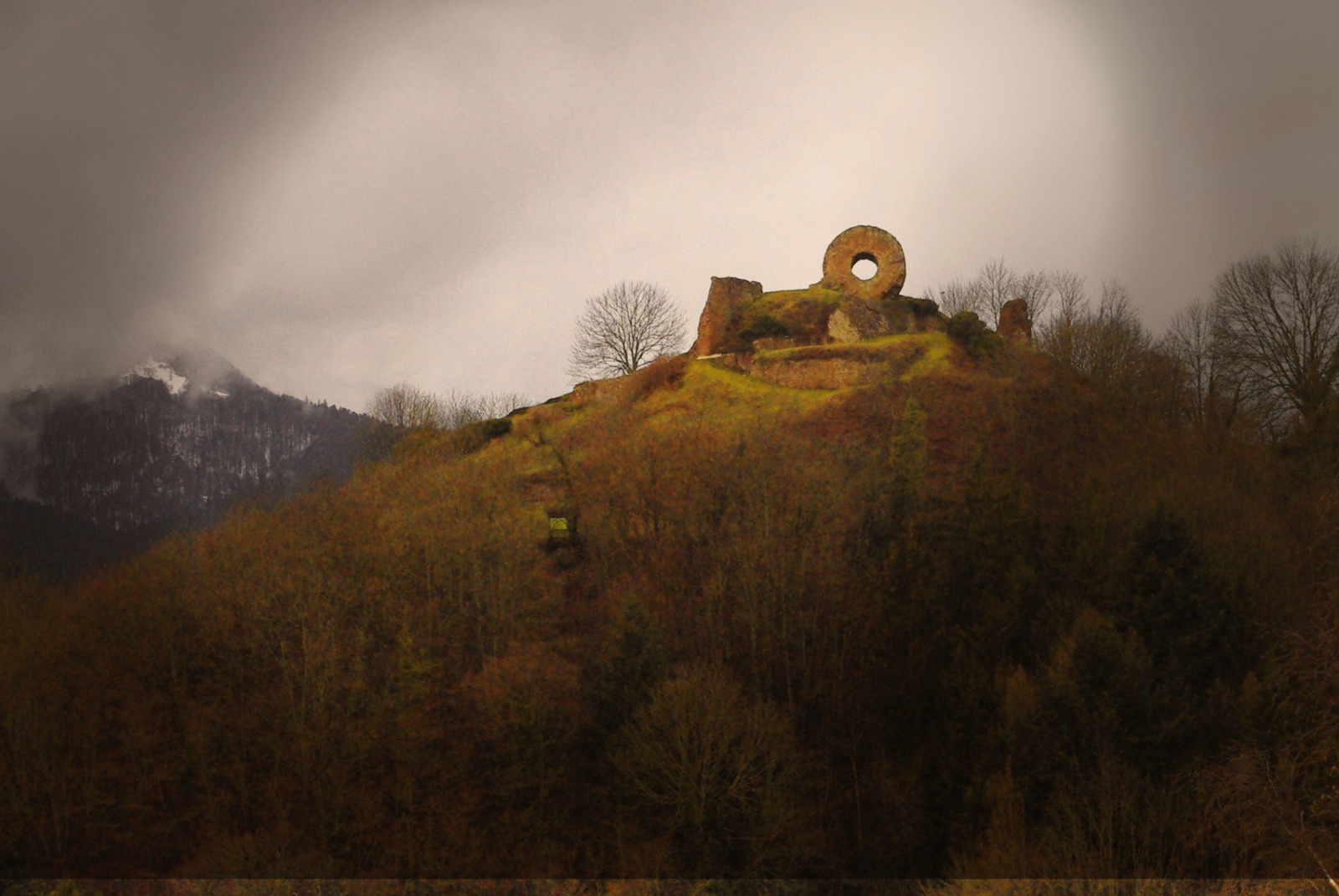
Halloween in Alsace - The eye of the witch in Thann © French Moments
The Celtic Origins of Halloween
Halloween has a complicated history, combining older seasonal customs, Christian observances and traditions that developed over several centuries.
Its name comes from All Hallows' Eve, the evening before All Saints' Day on 1 November.
Halloween is also commonly associated with Samhain, an ancient Gaelic festival marking the transition from the harvest season to winter.
In Ireland and other parts of the Celtic world, this time of year was surrounded by beliefs and customs connected with the changing seasons, the supernatural and the dead.
However, historians do not agree that every modern Halloween tradition can be traced directly to Samhain. The relationship between ancient Celtic customs and the Halloween we know today is more complicated than is sometimes suggested.
Over time, traditions associated with the eve of All Saints' Day evolved in Ireland, Scotland and elsewhere.
During the nineteenth century, Irish and Scottish immigrants carried many of these customs to North America, where Halloween gradually developed into the celebration familiar to us today.
Costumes, carved lanterns, parties and trick-or-treating became particularly associated with the American version of the festival.
It was largely this modern form of Halloween that France would adopt towards the end of the twentieth century.
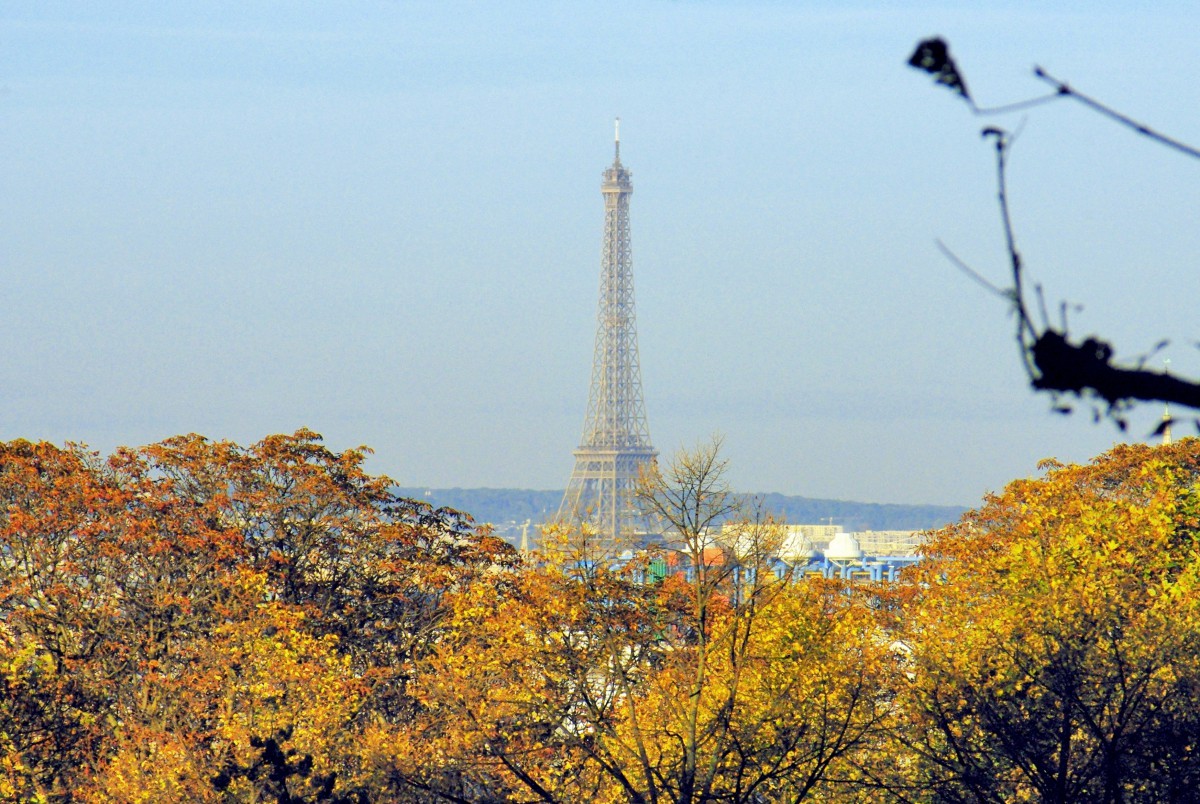
View of the Eiffel Tower from the Père Lachaise cemetery © French Moments
How Halloween Became Popular in France in the 1990s
For much of the twentieth century, Halloween remained relatively unfamiliar to the French public.
Of course, some English-speaking families living in France celebrated it, and French people encountered Halloween through American films and television programmes.
But the celebration had little presence in everyday French life.
Things began to change during the 1990s.
Large retailers and international companies saw an opportunity to introduce a new occasion for selling costumes, sweets and decorations between the start of the school year and Christmas.
Disneyland Paris, fast-food chains and other businesses helped bring Halloween to a much wider French audience.
One particularly interesting moment came in 1997.
That autumn, the French telecommunications company France Télécom promoted its mobile telephone service through a Halloween-themed campaign known as Olaween.
The campaign became one of the best-known examples of the commercial enthusiasm surrounding Halloween at the time.
On 26 October 1997, the French newspaper Le Monde was already reporting on the spread of Halloween across the country. Shops were displaying pumpkins and witch masks, while retailers and entertainment venues organised special events.
For many French people, it must have seemed as though Halloween had appeared almost overnight!
By the end of the decade, supermarkets were dedicating increasing amounts of shelf space to Halloween products, and the media were paying considerable attention to the new celebration.
Yet this enthusiasm also raised a question.
Was Halloween becoming a genuine French tradition, or was it simply an imported commercial festival?
The answer would become clearer over the following years.
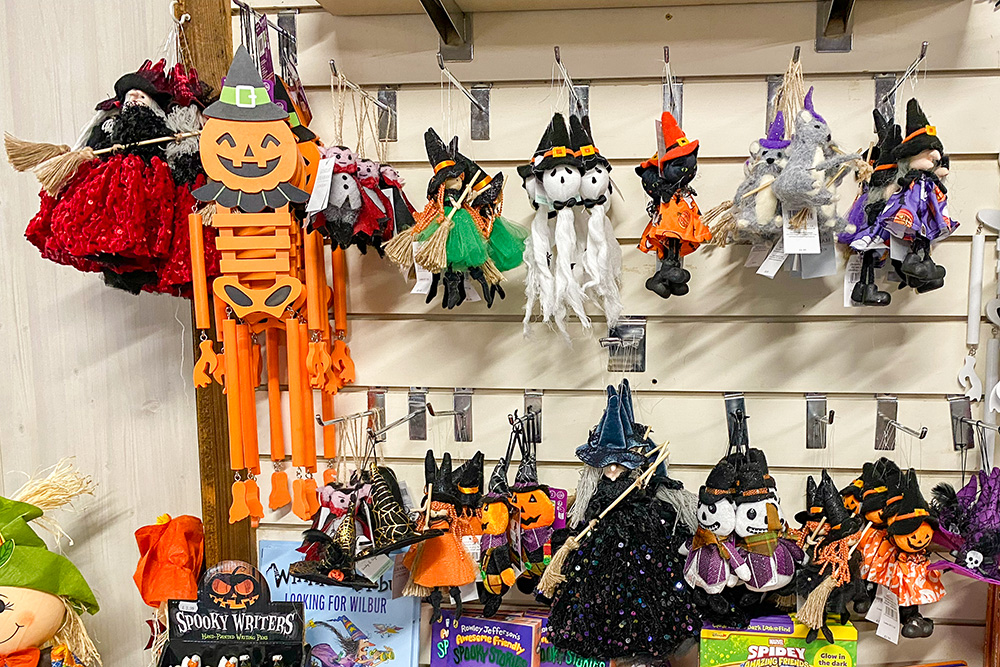
Halloween items in a supermarket © French Moments
Why Halloween Declined in France in the 2000s
Halloween's rapid rise in France was followed by a rather unexpected decline.
The excitement of the late 1990s did not last.
During the early and mid-2000s, enthusiasm began to fade, and some retailers reduced their Halloween promotions.
The French press noticed the change.
On 31 October 2006, Le Monde published an article with the rather telling headline Halloween quasi enterré — Halloween almost buried.
How could a celebration that had attracted so much attention only a few years earlier lose its appeal so quickly?
Several explanations have been suggested.
First, Halloween had been introduced to much of the French public through advertising and marketing. Unlike in the United States, relatively few French families had inherited Halloween customs from previous generations.
Secondly, some people disliked what they perceived as the excessive commercialisation of an imported festival.
There was also the question of American cultural influence. Halloween arrived during a period when globalisation and the spread of American popular culture were already subjects of debate in France.
Finally, the proximity of La Toussaint complicated matters. For families accustomed to visiting cemeteries and remembering their relatives at the beginning of November, Halloween's costumes and frightening decorations could seem rather out of place.
None of these factors alone explains the decline.
But together, they help us understand why the initial excitement proved difficult to sustain.
By the middle of the 2000s, Halloween had lost much of the visibility it had enjoyed only a few years before.
It seemed that France might simply lose interest in the celebration.
As it turned out, that was not quite the end of the story.
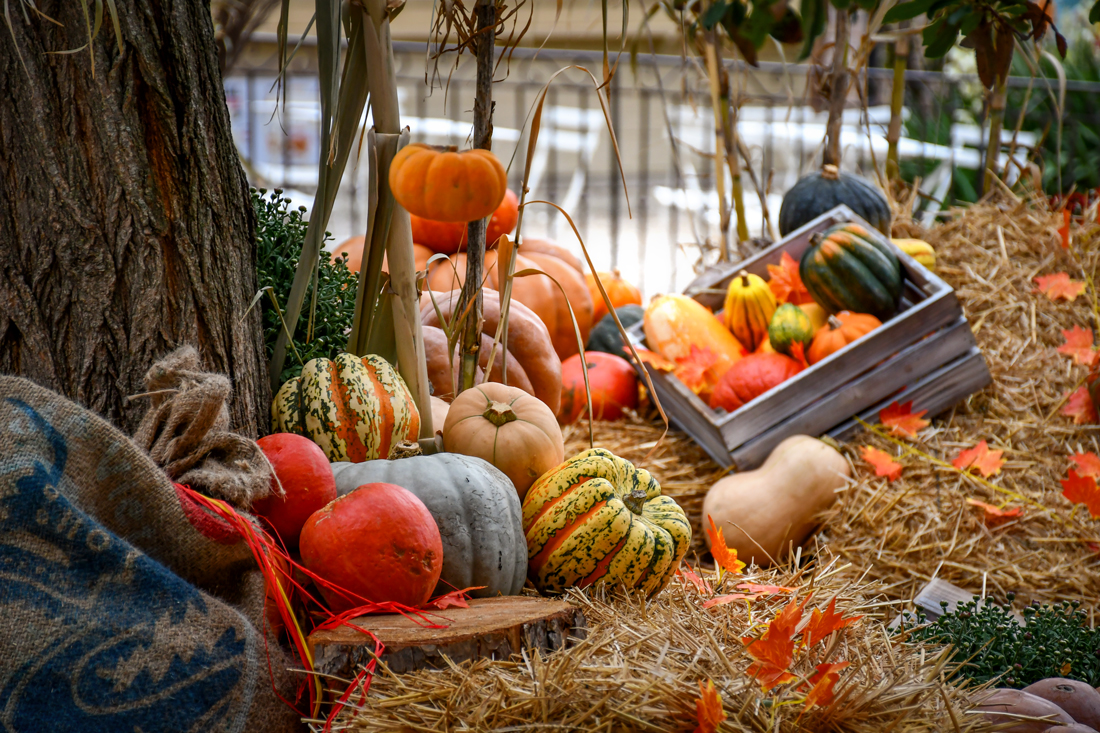
Provence in Autumn - La Barben Zoo © French Moments
Halloween's Comeback Since the 2010s
During the 2010s, Halloween gradually regained visibility in France.
This time, its development was not limited to the publicity campaigns of major companies.
Theme parks continued to organise seasonal events, while bars, nightclubs, local associations and municipalities increasingly offered their own activities.
Social media also helped spread Halloween imagery, from costumes and decorations to pumpkin-carving ideas.
But another change was taking place.
Children who had experienced Halloween during its first wave in the 1990s were now adults. Some had become parents themselves and were introducing the celebration to their own families.
This did not mean that Halloween suddenly became a universal French tradition. Far from it.
However, the celebration had begun to acquire something that it had previously lacked: a degree of continuity between generations.
The COVID-19 pandemic disrupted public gatherings and Halloween parties in 2020, but seasonal activities subsequently returned.
By the mid-2020s, Halloween had become a familiar feature of the French autumn calendar, even if participation remained uneven.
A Toluna survey conducted in October 2025 found that 29% of French adults intended to celebrate Halloween, compared with 55% among respondents under the age of 35.
The figures illustrate both the appeal of Halloween among younger generations and the limits of its popularity across the wider population.
So, has Halloween finally established itself in France?
To some extent, yes.
It is no longer the unfamiliar novelty of the 1990s, and many children now grow up knowing what Halloween is.
Yet it would be misleading to describe it as a tradition celebrated throughout the whole country.
Halloween in France has followed a rather unusual path: an enthusiastic commercial introduction, a period of decline, and then a gradual return in a more localised and varied form.
And this curious history helps explain why French attitudes towards Halloween remain so different today.
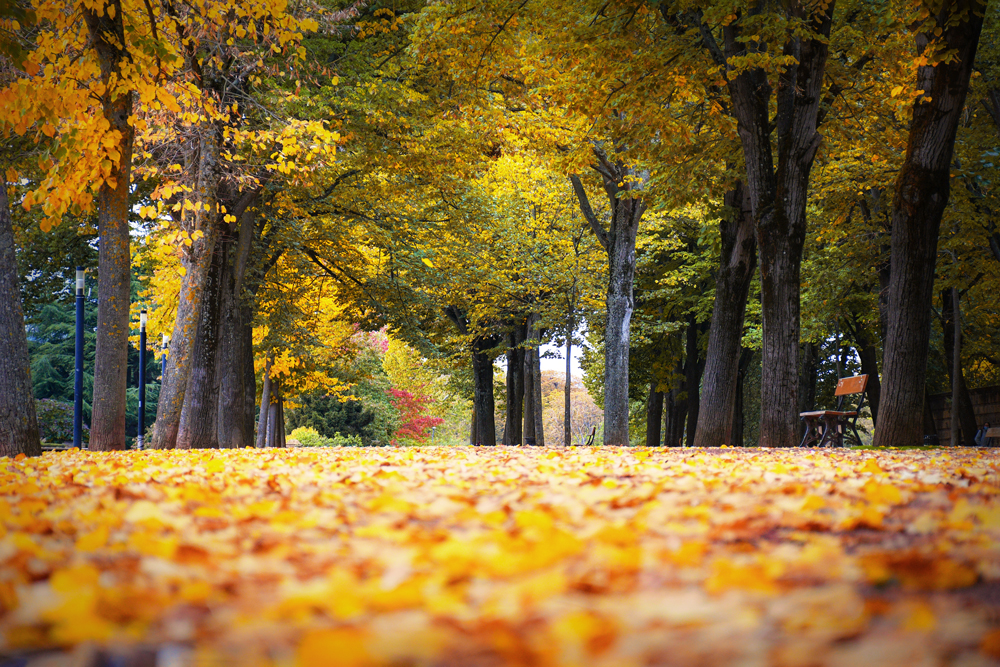
The colours of autumn in Metz © French Moments
Why Is Halloween Controversial in France?
Halloween may seem like a harmless occasion to dress up and eat sweets, but its arrival in France was not welcomed by everyone.
During the late 1990s and early 2000s, the celebration sparked debates about commercialisation, American cultural influence and the place of religious traditions in French society.
What is interesting is that the objections did not all come from the same people, or for the same reasons.
Some disliked the way Halloween had been promoted by businesses. Others questioned its cultural relevance to France. And some Christians were uncomfortable with its association with death, witches and supernatural imagery.
Let's look at these different reactions.
An American Commercial Import?
One of the most common criticisms of Halloween in France concerns the way it became popular.
Unlike in the United States, where Halloween customs had developed over generations, the celebration suddenly appeared in French supermarkets and advertising campaigns during the 1990s.
For some people, it seemed that businesses were trying to create a new tradition simply to encourage consumers to spend more money.
Pumpkins, plastic skeletons, costumes, sweets and decorations filled the shops. But why should French families feel obliged to celebrate an occasion that many had never known as children?
There was also the question of Americanisation.
For critics of the growing influence of American popular culture, Halloween became another example of France adopting customs promoted through American films, television and international brands.
However, the irony is that Halloween is not originally an American invention. Its history is closely connected with Ireland, Scotland and the Christian calendar, even though its modern commercial form developed largely in North America.
And not every French person who dislikes Halloween is necessarily opposed to American culture.
Some simply find the celebration unnecessary or have little interest in costumes and decorations.
Today, the debate appears less prominent than it was during Halloween's first commercial boom. Yet the question of whether it is a genuine tradition or primarily a commercial occasion has not entirely disappeared.
Religious Objections to Halloween
Halloween has also raised objections among some Christians in France.
For certain Catholic and Protestant families, the problem is not necessarily the American origin of the celebration, but its imagery.
Witches, demons, ghosts and references to the occult can be uncomfortable for Christians who prefer not to associate these symbols with a family celebration.
Others take a different view, considering Halloween costumes and activities to be harmless entertainment rather than expressions of religious or supernatural beliefs.
It would therefore be misleading to suggest that French Christians all share the same opinion about Halloween.
The Catholic Church in France also faced another question when Halloween became popular in the 1990s: how could it draw renewed attention to the meaning of All Saints' Day?
One response was the development of an initiative known as Holy Wins.
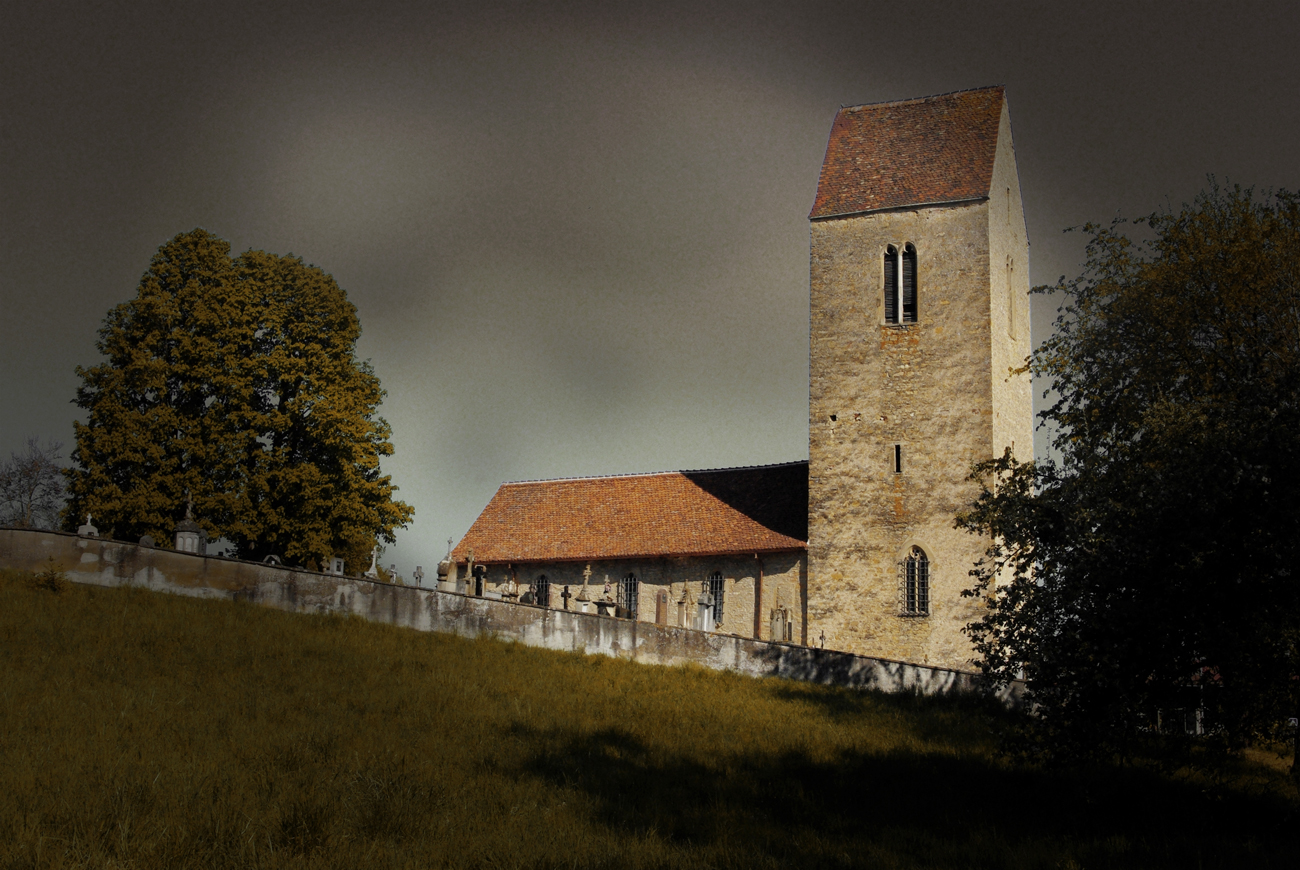
Chapel in Illfurth © French Moments
Holy Wins: A Christian Alternative to Halloween
In 2002, a group of young Catholics in Paris launched an initiative called Holy Wins, a play on the English expression Halloween.
The name was intended to convey the idea that holiness wins.
Rather than concentrating on frightening costumes and images associated with death, the organisers wanted to highlight the Christian message of hope and the joyful meaning of All Saints' Day.
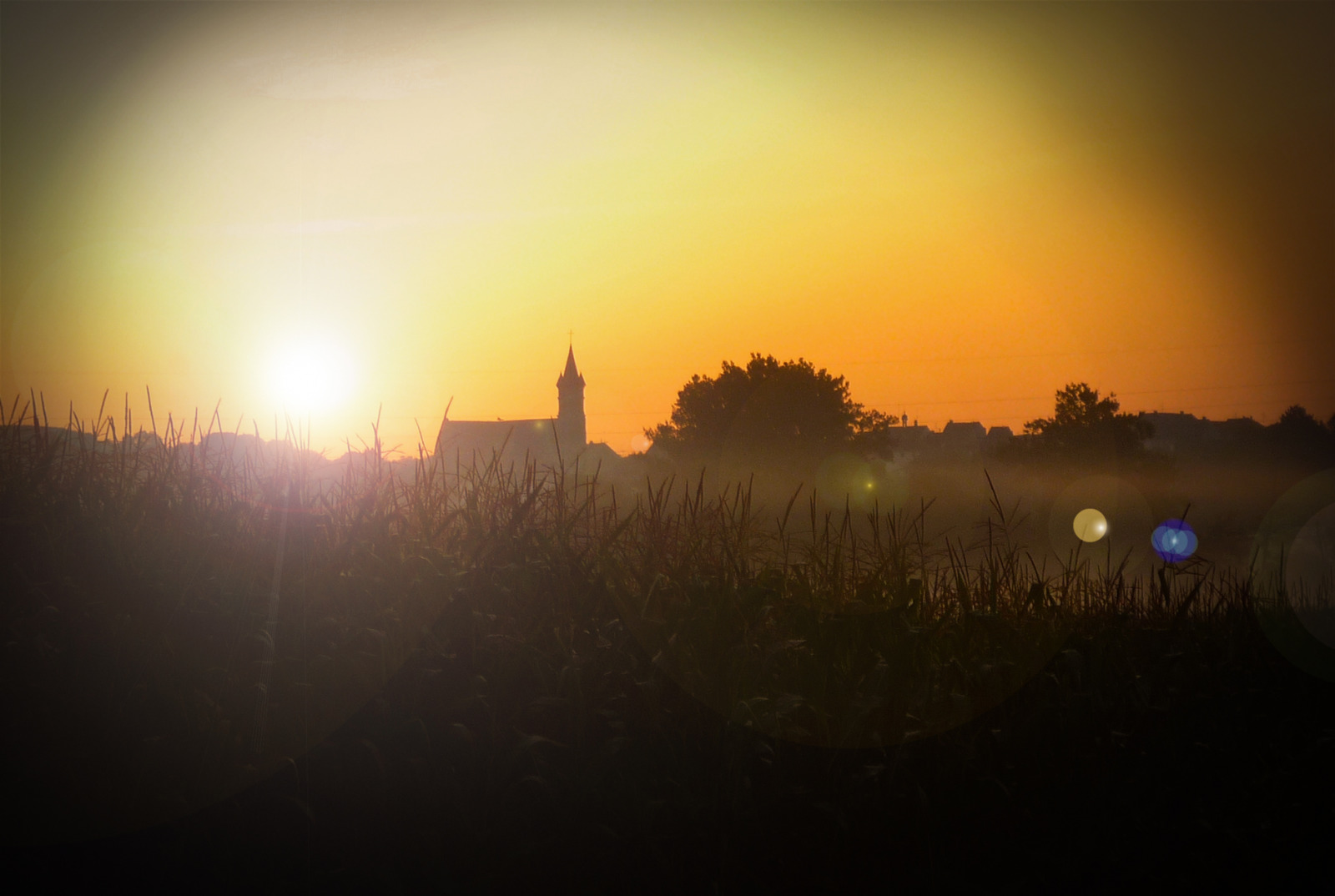
Alsace © French Moments
With support from the Diocese of Paris, the initiative included activities in the streets of the capital and a festive gathering at Saint-Sulpice.
According to the diocese, around 5,000 people attended the first Holy Wins evening in 2002.
The initiative continued in subsequent years, with concerts, public gatherings and opportunities for young Catholics to share their faith.
Holy Wins was therefore more than simply a protest against Halloween. It was also an attempt to make a Christian celebration more visible at a time when Halloween was attracting considerable public attention.
Similar initiatives have since been organised by some Catholic parishes, although they have never become a widespread national tradition comparable to Halloween itself.
The existence of Holy Wins illustrates an interesting aspect of French attitudes towards Halloween.
For some, 31 October is simply an occasion for costumes and sweets. For others, it raises questions about culture, faith and the meaning of the celebrations that follow.
And perhaps that is why Halloween in France remains such an interesting subject: a celebration that appears quite straightforward elsewhere has generated an unusually complex debate in French society.
For a closer look at this Christian response to Halloween, read my article Halloween or Holy Wins? What The Heck?
Did France Have Halloween-Like Traditions Before Halloween?
When Halloween became popular in France during the 1990s, it was often presented as something entirely new, imported from the United States.
But was it really so unfamiliar?
In certain parts of France, particularly in Lorraine, people had been making frightening lanterns from root vegetables long before American-style Halloween decorations appeared in the shops.
One tradition from eastern France is particularly interesting.
Rommelbootzennaat: The Night of the Grinning Beets in Lorraine
Have you ever heard of Rommelbootzennaat?
The name may be difficult to pronounce if you don't speak the local Germanic dialect, but it refers to a rather curious tradition from Moselle, in eastern France.
Rommelbootzennaat means the Night of the Grinning Beets.
The custom is particularly associated with the Pays de Nied and the area around Bouzonville, not far from the German border.
In the days leading up to All Saints' Day, children would hollow out large beets and carve frightening faces into them. A candle was then placed inside, turning the vegetables into illuminated lanterns.
These strange-looking faces could be displayed on windowsills, near houses or along paths.
Imagine walking through a Lorraine village on a dark autumn evening and suddenly coming across a glowing face staring at you from a window!
According to local tradition, the lanterns were intended to frighten passers-by and, in some accounts, to keep wandering spirits away.
The resemblance to Halloween's carved pumpkins is quite remarkable.
Yet there is an important difference: these were not American pumpkins, but beets grown in the surrounding countryside.
The tradition belonged to the local rural culture of Moselle, particularly its German-speaking areas, and existed before the modern Halloween craze reached France.
Some local historians associate the custom with ancient Celtic beliefs surrounding the end of the harvest season and the beginning of winter. However, the precise historical relationship between those beliefs and the later Lorraine tradition is difficult to establish.
What we can say is that the practice of carving frightening faces into vegetables was not entirely foreign to France.

Autumn scenery, Petite Suisse Lorraine © French Moments
A Tradition That Has Not Disappeared
The Rommelbootzennaat has not been completely forgotten.
In Moselle, local associations and cultural organisations have worked to preserve and revive the custom, sometimes incorporating it into autumn festivals.
One example is the Château Saint-Sixte at Freistroff, near Bouzonville, where activities centred on carved beets have been organised.
The wider Bêtes & Sorcières festival in Moselle also celebrates the region's legends, frightening stories and autumn traditions.
There is something rather amusing about this.
While Halloween is sometimes criticised in France for being a foreign import, one small corner of Lorraine can point to its own tradition of frightening lanterns, made not from pumpkins but from humble beets.
And for anyone interested in French regional culture, that is a story well worth remembering.
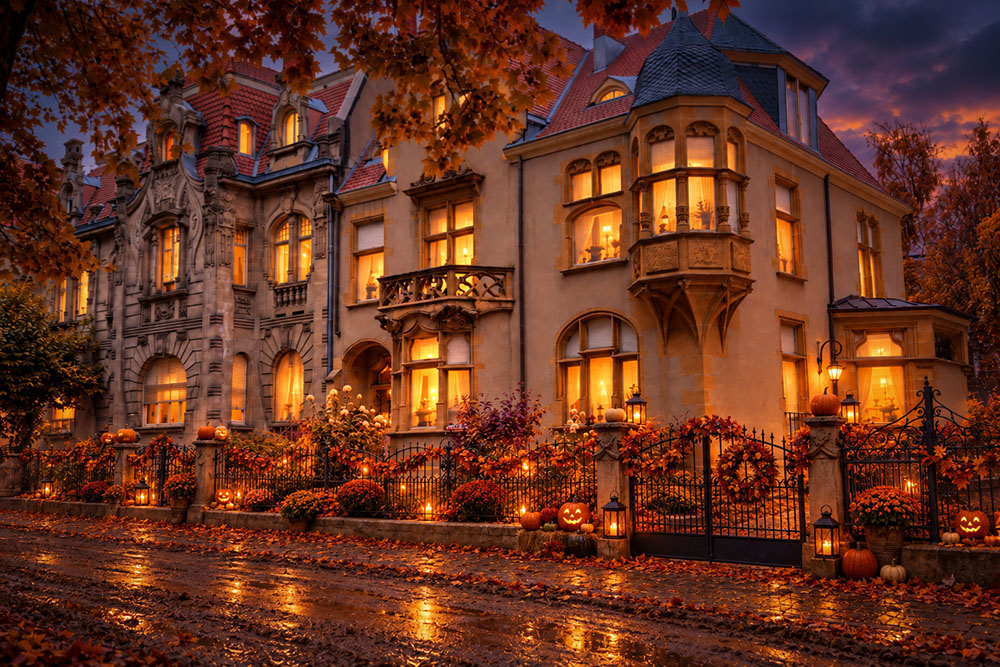
Metz in Moselle
Experiencing Halloween in France as a Visitor
If you're visiting France at the end of October, you might be wondering whether you'll have a chance to experience Halloween during your stay.
The answer depends very much on where you're going.
In some towns, Halloween is little more than a few pumpkins in shop windows. In others, you may come across costume parades, special evening events, haunted attractions or activities organised for children.
Here are a few things worth knowing before you travel.
What to Expect in France on 31 October
The first thing to remember is that Halloween is not a public holiday in France.
Most shops, restaurants and tourist attractions operate normally on 31 October, although some may organise special activities.
The following day, 1 November, is different. La Toussaint (All Saints' Day) is an official public holiday, as confirmed by the French government's public holiday calendar.
You should therefore check opening hours if you're planning to visit museums, shops or other attractions over these two days.
Another detail worth remembering is that Halloween falls during the French autumn school holidays, known as the vacances de la Toussaint.
In 2026, for example, the holidays in mainland France run from 17 October until the return to school on 2 November, according to the French Ministry of Education's official calendar.
This means that popular family attractions may be busier than usual, particularly during the second half of October.
And if you're hoping to take your children trick-or-treating, don't assume that every neighbourhood will be taking part.
Unlike in the United States, there is no widespread expectation that households will have sweets ready for visiting children. It is better to join a locally organised activity or find out beforehand whether a particular neighbourhood participates.
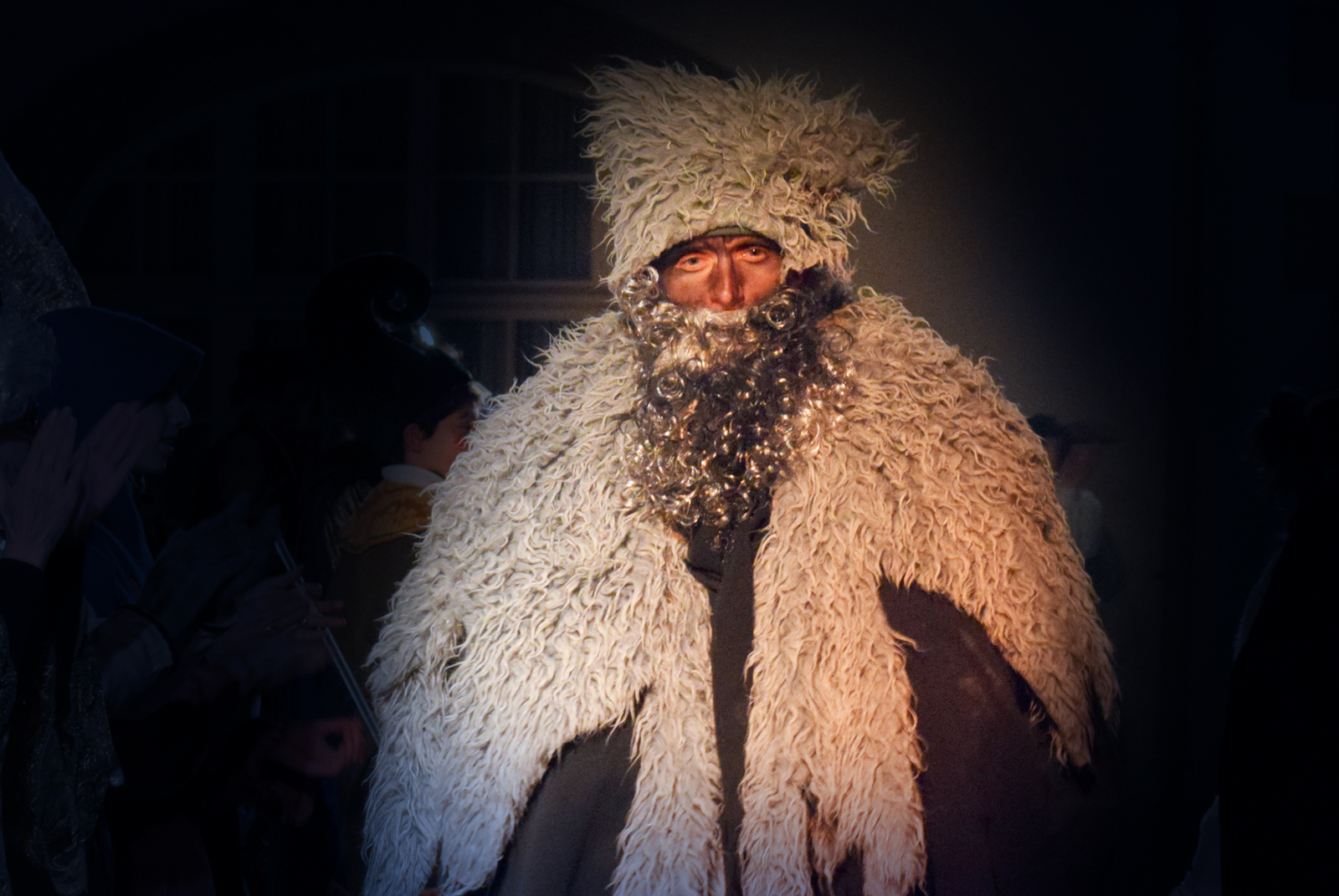
Hans Trapp, a frightening character from Alsatian folklore © French Moments
Where to Find Halloween Events in France
If you would like to experience Halloween in France, I recommend checking the local tourist office's website a few days or weeks before your visit.
Some towns organise activities for families, while castles, theme parks and other attractions may offer special programmes during the autumn holidays.
Disneyland Paris, for example, has long embraced Halloween with seasonal decorations, entertainment and special attractions. You can check its latest programme on the official Disneyland Paris website.
But you don't necessarily need to visit a major theme park.
In some French towns and villages, local associations and shopkeepers organise pumpkin-carving workshops, treasure hunts or costume parades for children.
You may also find Halloween events in historic castles and other heritage sites, where the atmosphere of old stone walls and dimly lit rooms lends itself rather well to ghost stories!
Of course, these events change from year to year, so it is worth checking the organiser's website before making plans.
And if you happen to be visiting a town where Halloween is barely celebrated, don't be disappointed. The end of October can still be a lovely time to discover France, particularly with the autumn colours in the countryside.
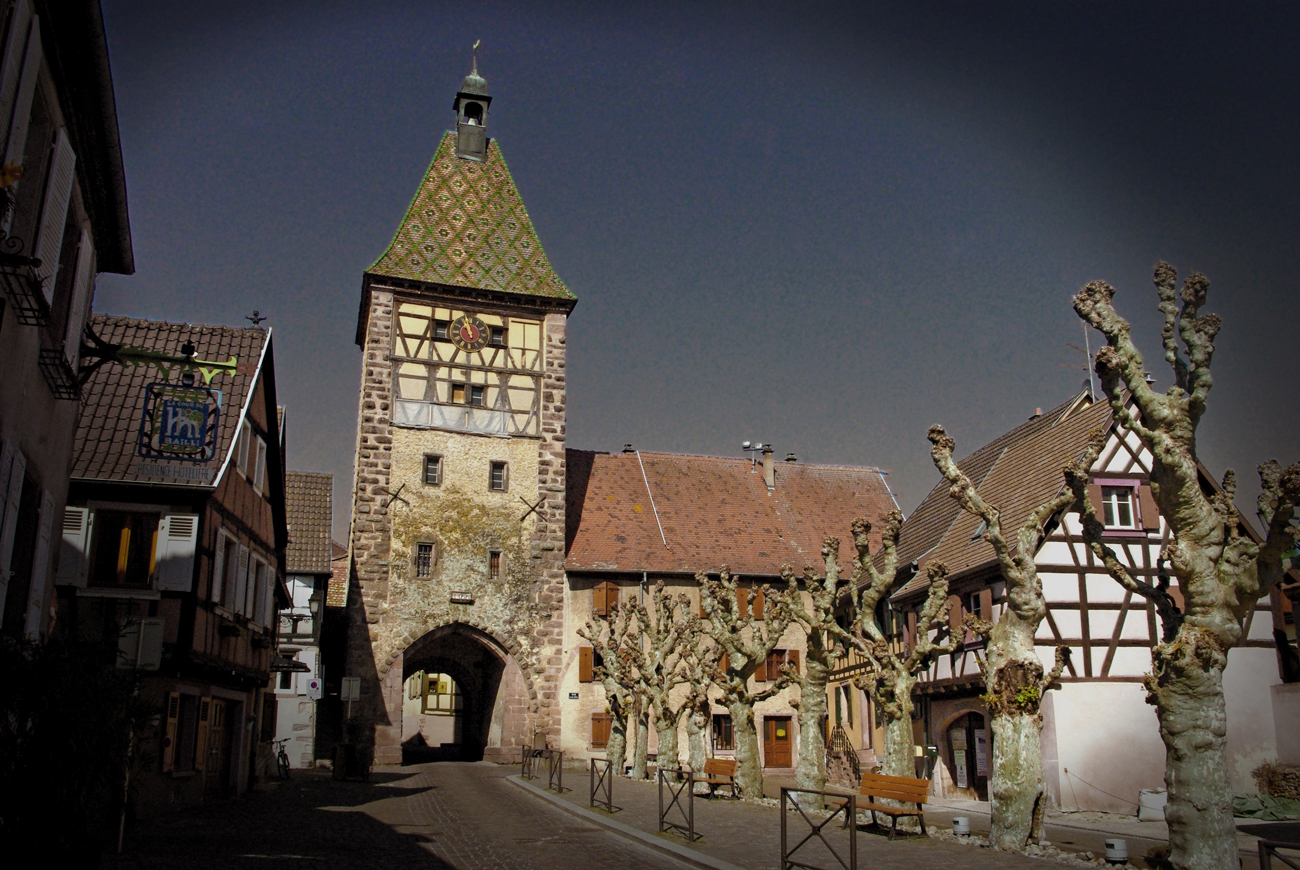
Bergheim: the Obertor © French Moments
Useful French Halloween Words and Expressions
If you're travelling with children, or simply want to understand the decorations and posters you see in French shops, here are a few useful words.
| French | English |
|---|---|
| Halloween | Halloween |
| Des bonbons ou un sort ! | Trick or treat! |
| Une citrouille | A pumpkin |
| Une sorcière | A witch |
| Un fantôme | A ghost |
| Un déguisement | A costume |
| Se déguiser | To dress up |
| Une maison hantée | A haunted house |
| Une araignée | A spider |
| Un squelette | A skeleton |
| La Toussaint | All Saints' Day |
| Les vacances de la Toussaint | The autumn school holidays |
One thing you may notice is that the French usually call the celebration Halloween, just as English speakers do.
The expression « Des bonbons ou un sort ! » is a familiar translation of trick or treat, although children may also use other phrases when asking for sweets.
And if you see a poster advertising a soirée Halloween, it simply means that a Halloween-themed evening or party is being organised.
Now you'll know what to expect if you find yourself in France on 31 October!
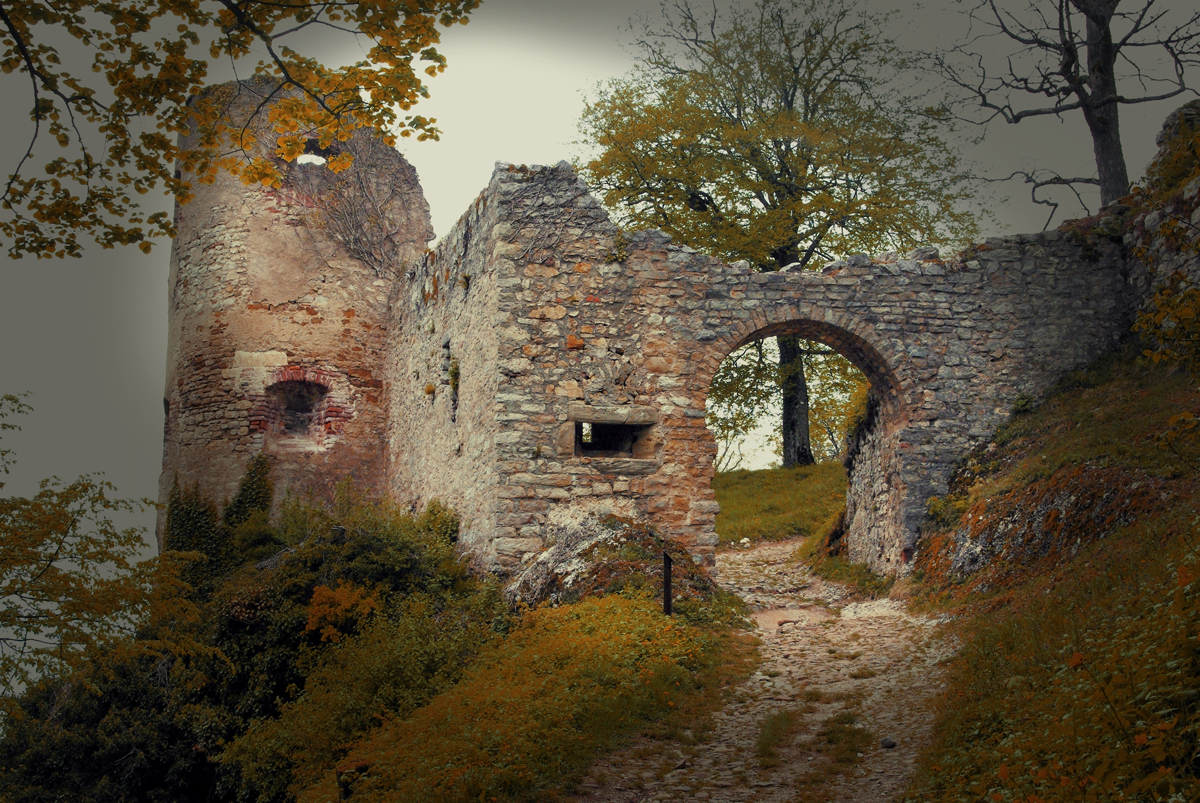
The entrance to the castle of Ferrette © French Moments
The Future of Halloween in France
So, what does the future hold for Halloween in France?
Looking back at its rather unusual history, I find it interesting that Halloween has managed to survive its initial commercial boom, the decline of the 2000s and the many criticisms directed at it.
It has not become a nationwide tradition comparable to Christmas or La Toussaint. But neither has it disappeared.
According to an October 2025 survey by Toluna Harris Interactive, 61% of French adults felt that Halloween was becoming more widespread in France, while 44% considered that it was becoming a tradition.
Yet only 27% said they celebrated Halloween at least occasionally.
This suggests that Halloween has become more familiar than it is universally practised.
What seems likely is that the celebration will continue to appeal particularly to younger generations, families with children and businesses organising seasonal activities.
Will French children eventually grow up with Halloween traditions passed down from their parents, as happens in the United States?
Perhaps. But that does not necessarily mean France will develop the same Halloween culture as America.
After all, customs change when they cross borders. The French have adopted certain aspects of Halloween while largely leaving others aside.
For the moment, Halloween seems to have found its own place in the French autumn calendar, somewhere between children's entertainment, seasonal marketing and local celebrations.
And its somewhat complicated relationship with French traditions is unlikely to disappear entirely.
Frequently Asked Questions About Halloween in France
Do French People Celebrate Halloween?
Yes, some French people celebrate Halloween on 31 October, particularly children, teenagers, young adults and families. However, celebrations vary considerably between towns and neighbourhoods, and Halloween is less firmly established than in the United States.
Is Halloween a Public Holiday in France?
No. Halloween on 31 October is not a public holiday in France. The following day, 1 November, is La Toussaint (All Saints' Day), which is a national public holiday. You can check the official list of holidays on the French government's website.
Do Children Go Trick-or-Treating in France?
Yes, but not everywhere. Some French children dress up and go from door to door asking for sweets, often accompanied by their parents. In other places, trick-or-treating is organised through local shops, associations or neighbourhood events.
What Do French Children Say Instead of Trick or Treat?
One common French equivalent is « Des bonbons ou un sort ! », meaning 'Sweets or a spell!' However, children may use different expressions depending on the region or simply ask for sweets.
Why Is Halloween Less Popular in France Than in America?
One reason is that modern Halloween celebrations became widespread in France relatively recently, particularly during the 1990s. Unlike in the United States, many French adults did not grow up celebrating Halloween, and the tradition has never become equally established in every community.
What Is the Difference Between Halloween and La Toussaint?
Halloween is celebrated on 31 October and is generally associated with costumes, sweets and parties. La Toussaint, on 1 November, is a Catholic feast and a public holiday in France. Many families use the occasion to visit cemeteries and remember deceased relatives. You can read more in my article on All Saints' Day in France.

The Eiffel Tower dominates the Passy cemetery © French Moments
Conclusion
Halloween in France has certainly had a curious history.
From its sudden arrival in the shops during the 1990s to its decline a few years later, it has never quite followed the same path as in the United States.
And yet, despite all the controversies, Halloween is still here.
For some French families, 31 October means costumes, pumpkins and sweets. For others, it is simply the day before La Toussaint, a much older tradition with a very different meaning.
What I find particularly interesting is that France did not need to look across the Atlantic to discover frightening autumn customs. As we have seen in Lorraine, carved lanterns and stories of wandering spirits were already part of certain regional traditions.
Perhaps this is what makes Halloween in France such an intriguing subject. It is a celebration that the French have adopted in their own way, without necessarily embracing everything that comes with it.
And if you happen to be in France on 31 October, don't be surprised if one village is full of witches and pumpkins while the next seems completely unaware that Halloween has arrived!
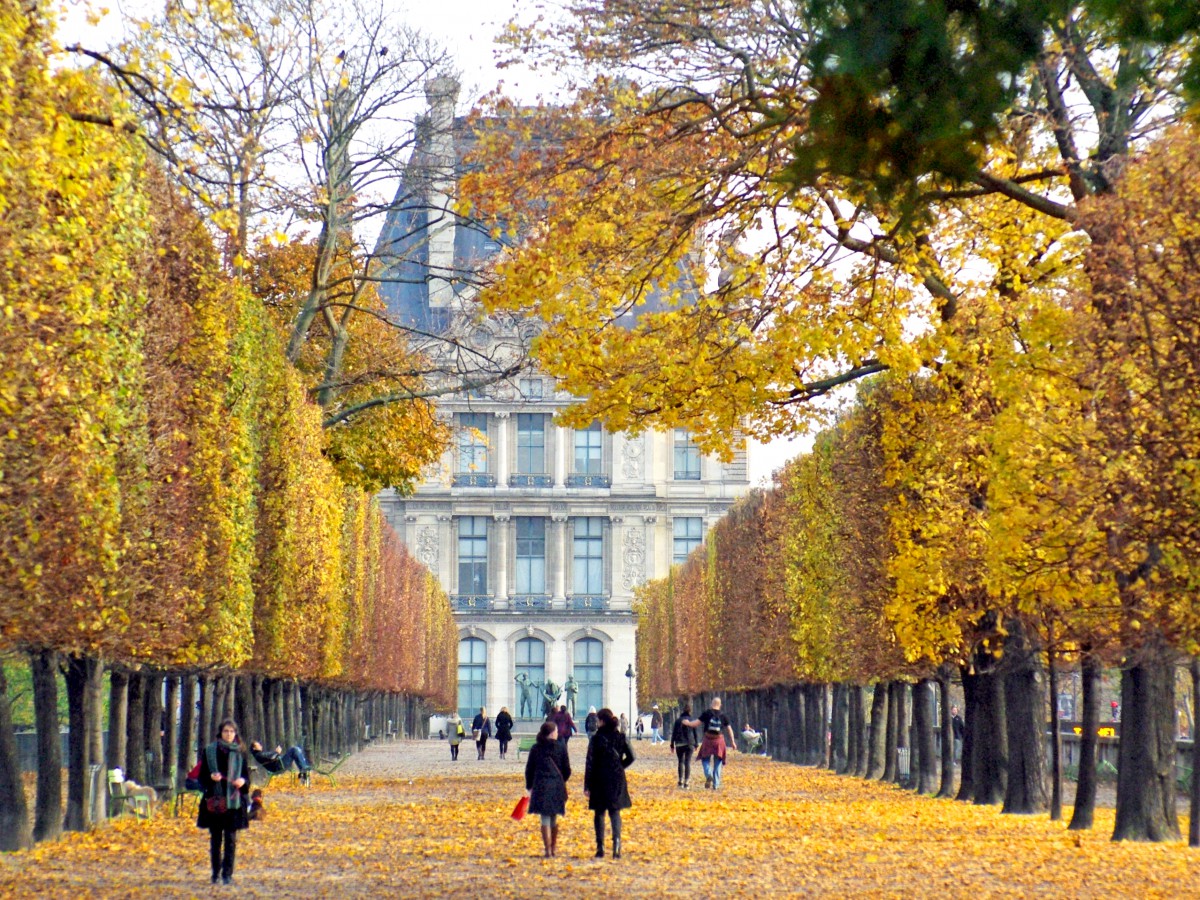
Autumn in France by the Louvre in Paris © French Moments
Sources & Further Reading
If you’d like to dig deeper into the strange story of Halloween in France, here are some of the sources I drew on while writing this piece:
- Halloween – Wikipedia
- Feeling confused about the spirit of Halloween and Toussaint? – French Institute
- Pourquoi Halloween marche-t-il moins en France qu’aux US? – French Morning
- 1997: What is Halloween? – INA Archive (YouTube)
- L’Église catholique tente de conjurer le succès – Cathocambrai
- Halloween ne séduit pas les Français – Statista
- Halloween: un budget moyen de 85 euros cette année – Comarketing-News
- La citrouille tient la vedette chez les maraîchers – Orange Actu
- Do we celebrate Halloween in France? – Accent Français
- Faut-il encore fêter Halloween ? – Master 2 Communication et Territoires