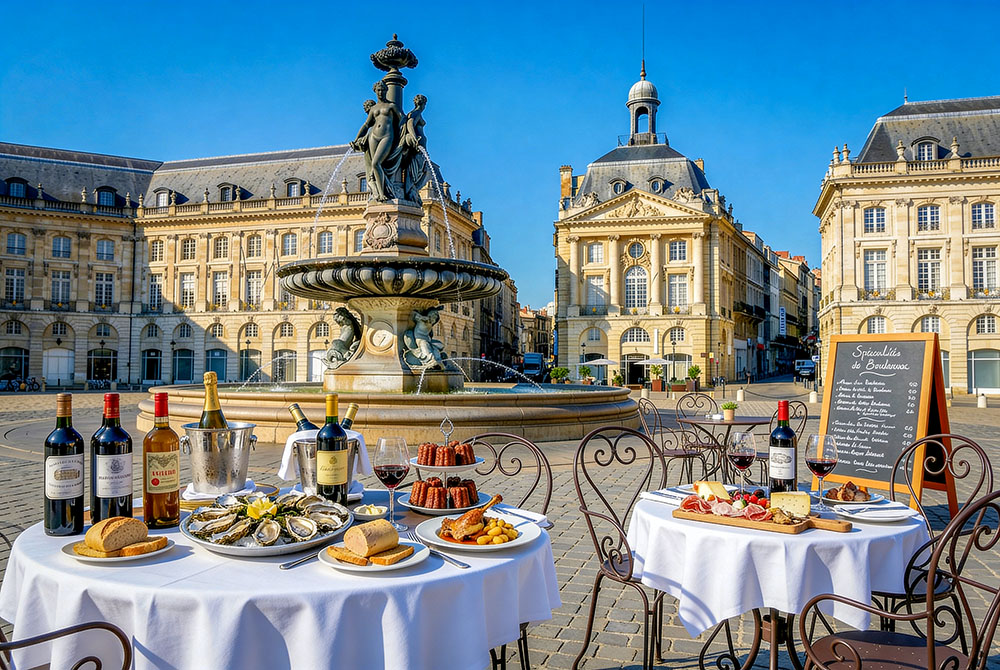


Bordeaux Gastronomy is far more than a collection of regional dishes — it is the living expression of a city shaped by wine, rivers, trade, craftsmanship and centuries of cultural exchange.
While Bordeaux is known worldwide for its vineyards, its cuisine reflects an equally rich identity, drawing from the Atlantic coast, the fertile lands of Aquitaine and the traditions of the wider south-west of France.
The result is a culinary landscape where maritime flavours meet rustic inland recipes, where seasonal produce stands at the forefront, and where wine culture permeates every aspect of cooking.
To explore Bordeaux Gastronomy is to discover how a great port city became one of France’s most compelling and distinctive food destinations.
Bordeaux Gastronomy: A Historic Culinary Capital
For centuries, Bordeaux has been a city where global trade and local tradition intertwine.
As a major Atlantic port, it welcomed ingredients, spices and influences from afar, while its own agricultural hinterland provided meat, vegetables and fruit of exceptional quality.
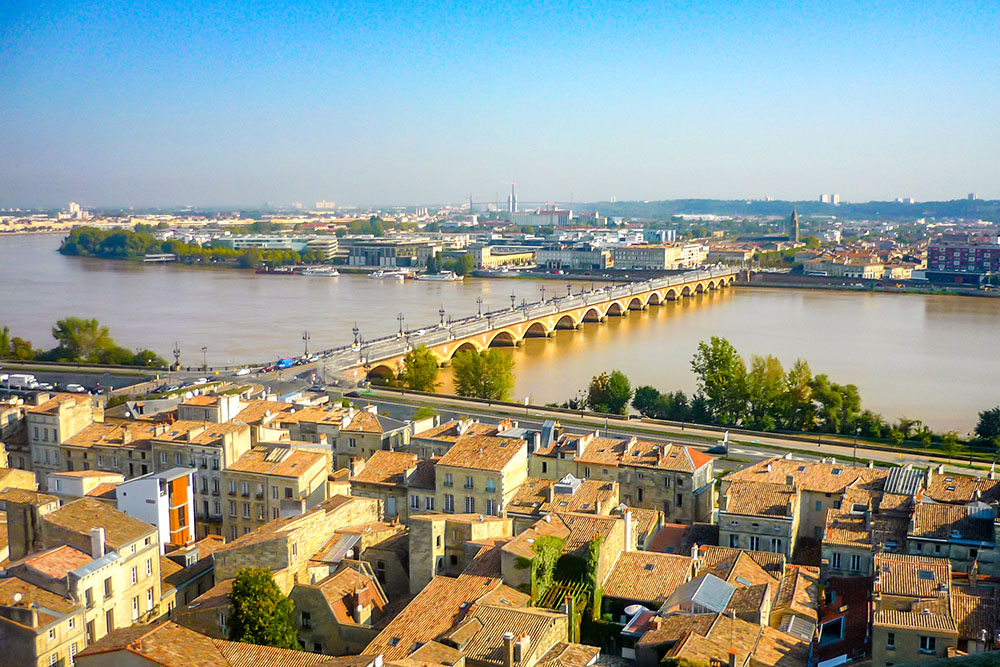
Bordeaux - Pont de Pierre and the Garonne © French Moments
The city’s food culture reflects:
- its role as a maritime crossroads,
- its connection to the vast agricultural plains of Aquitaine,
- and its status as the capital of a wine region admired around the world.
From market stalls to Michelin-starred restaurants, Bordeaux Gastronomy offers a remarkable blend of heritage and innovation.
Bordeaux Gastronomy and the Influence of Wine
Wine is not merely a beverage in Bordeaux; it is a structural element of the cuisine.
Centuries of viticulture shaped cooking habits, flavour pairings and traditional recipes.
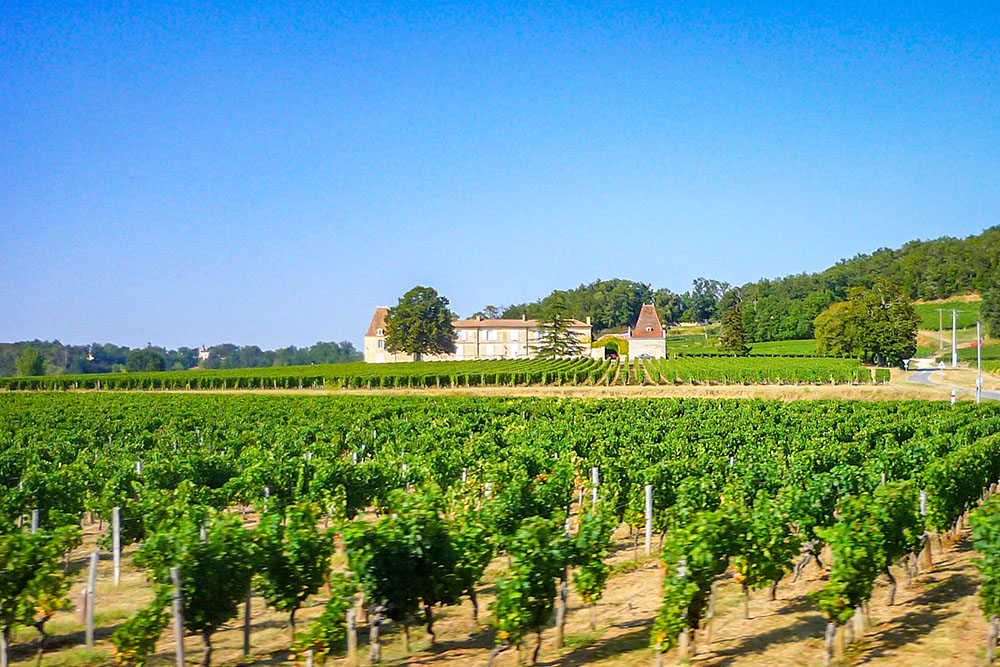
Bordeaux vineyards - near Saint-Emilion © French Moments
How Wine Shapes Local Cooking
- Sauces and reductions made with red or white Bordeaux.
- Marinades for meats and offal.
- Pairing tradition, where dishes are conceived with wine compatibility in mind.
- Seasonal rhythms: grape harvests, tastings, vineyard festivals influencing local menus.
Many dishes exist in their current form precisely because Bordeaux cooks adapted their recipes to match — or incorporate — local wines.
Signature Dishes of Bordeaux Gastronomy
Canelés de Bordeaux
The most iconic of Bordeaux pastries, canelés offer a caramelised crust and a tender, rum-and-vanilla interior.
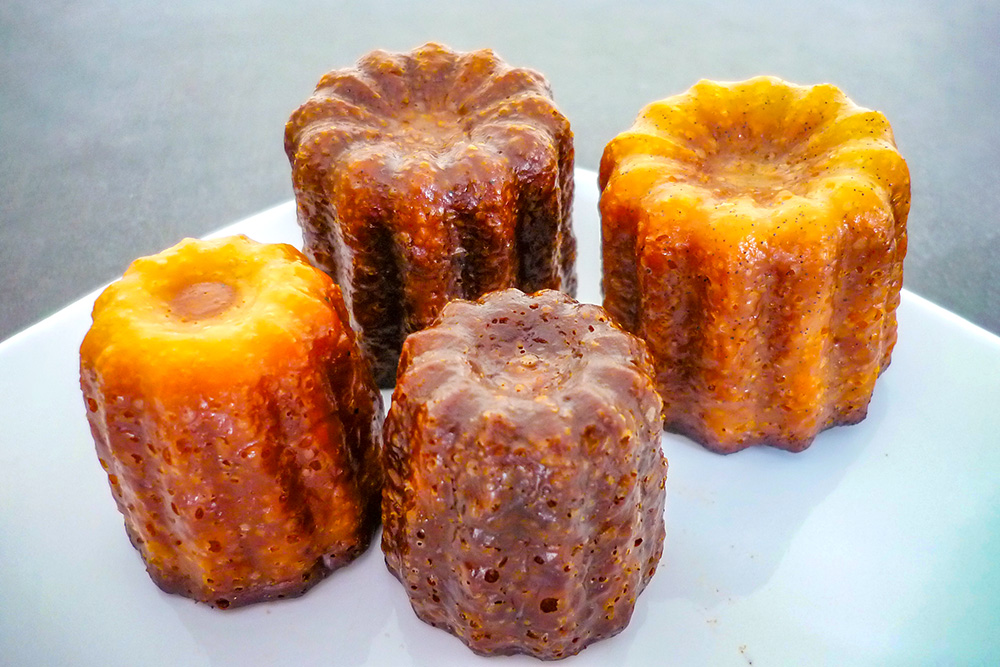
Canelés de Bordeaux © French Moments
Historically linked to winemaking practices — egg yolks were often left unused after clarifying wines — they have become an emblem of the city.
The best-known example is produced by Baillardran, though many bakeries now offer outstanding versions.
Lamproie à la Bordelaise
A historic dish from the Gironde estuary, lamprey is slowly cooked with red wine, leeks and herbs.
Though rarer today due to conservation restrictions, it remains one of the most traditional preparations of Bordeaux Gastronomy, closely tied to the region’s river culture.
Entrecôte à la Bordelaise
A rib steak grilled over vine branches, served with a shallot and red wine sauce.
Few recipes illustrate the relationship between Bordeaux cuisine and its vineyards as clearly as this one.
Grenier Médocain
A rustic charcuterie item from the Médoc: seasoned pork stomach, black pepper and garlic, sliced thin as an appetiser.
Strong, traditional and deeply characteristic of the region.
Seasonal Produce
The richness of Aquitaine’s agriculture nourishes the culinary identity of Bordeaux:
- White asparagus from Blaye,
- Strawberries from Pessac and the Dordogne/Lot-et-Garonne,
- Tomatoes from Marmande.
Local chefs craft menus closely tied to the agricultural calendar.
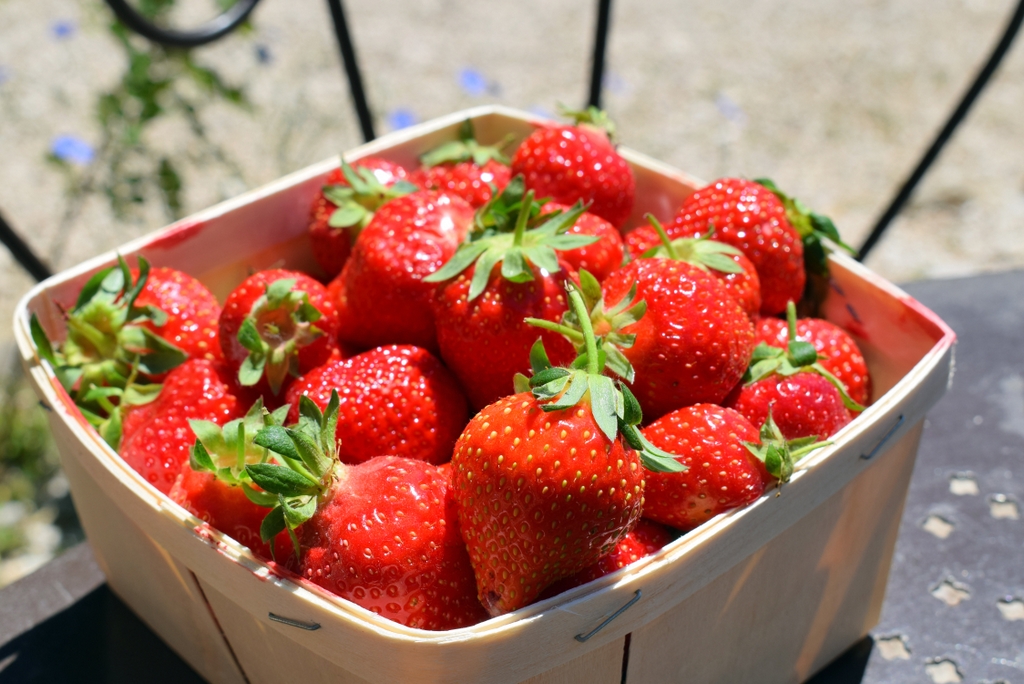
Strawberries from a French market © French Moments
Seafood and the Estuary: The Maritime Side of Bordeaux Gastronomy
Bordeaux’s proximity to the Atlantic Ocean and the Gironde estuary brings seafood to the forefront.
The most emblematic example is the oysters of Arcachon Bay, especially those from Cap Ferret.
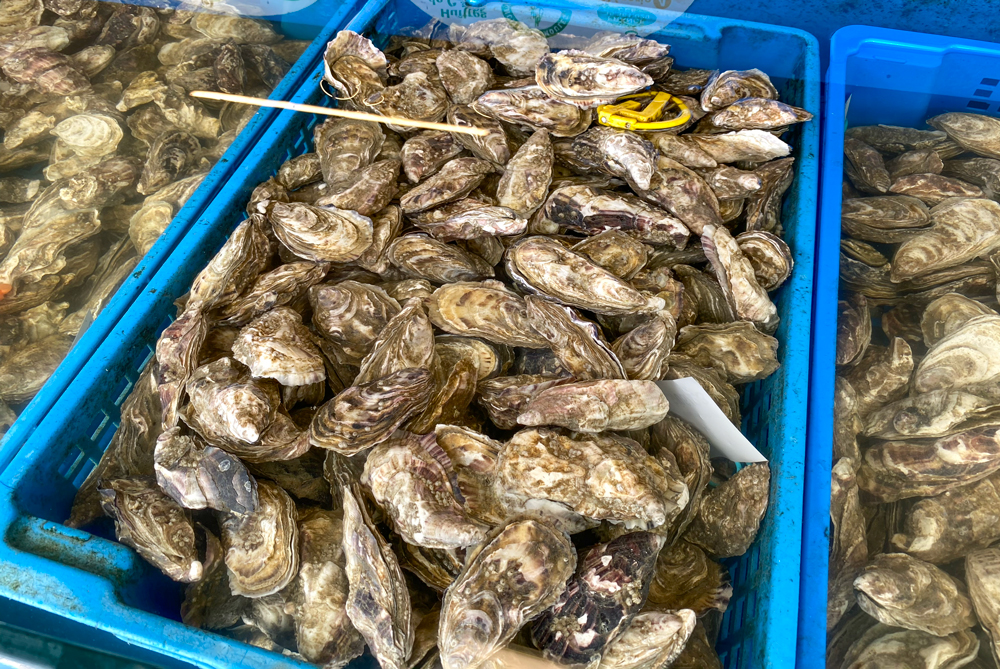
French Oysters © French Moments
These oysters, often enjoyed with lemon or shallots in vinegar, are a weekend ritual for locals and an essential discovery for visitors.
Other maritime specialities include mussels, prawns and river fish historically caught in the Garonne or Dordogne.
South-West Staples in Bordeaux Gastronomy
As the cultural capital of the south-west, Bordeaux shares several emblematic dishes from the wider region:
- Duck confit
- Magret de canard
- Foie gras
- Cep mushrooms (cèpes)
- Cassoulet (less common than in Toulouse, but present)
- Prune-based desserts from the Agen area
These dishes find their place on Bordeaux menus, often paired with regional wines.
Modern Bordeaux Gastronomy: A New Culinary Scene
In the last decade and a half, Bordeaux has become one of France’s most vibrant food cities. This renaissance owes much to:
- large-scale urban renewal that revitalised quays and neighbourhoods,
- young chefs returning from Paris, London or abroad,
- a renewed focus on local, seasonal and organic produce,
- the influence of sommeliers, winemakers and négociants,
- dynamic neighbourhoods full of creative energy.
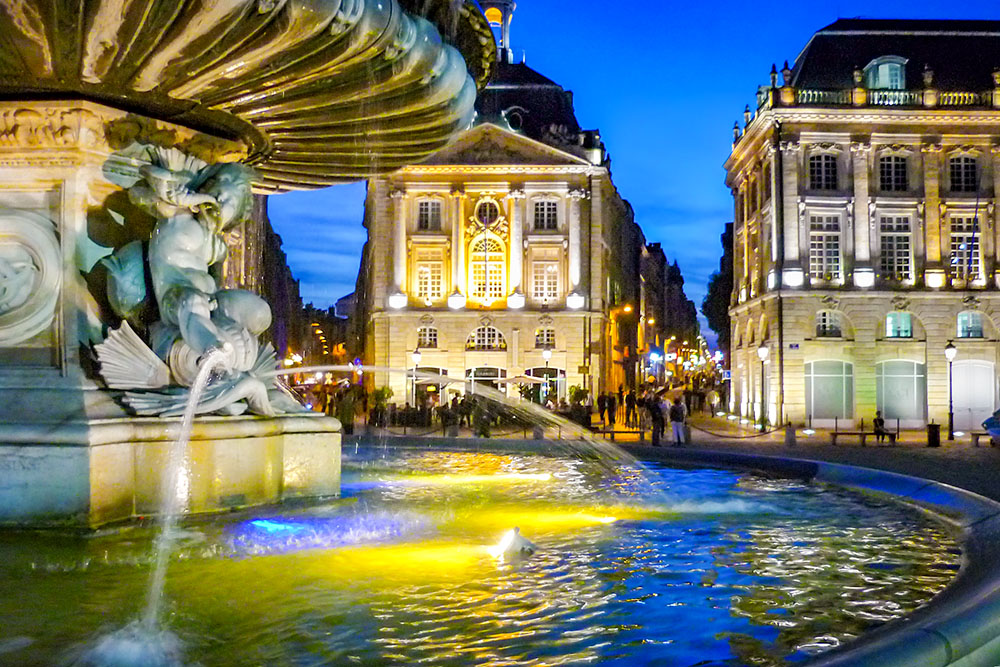
Bordeaux - Place de la Bourse © French Moments
Key Gastronomic Districts
- Saint-Pierre: historic centre, full of bistros and wine bars.
- Chartrons: former merchants’ district, now a hub of contemporary cuisine.
- Saint-Michel: diverse, lively, flavourful.
- Bacalan: home to the Halles de Bacalan, near the Cité du Vin.
Markets: The Heart of Bordeaux Gastronomy
Marché des Capucins
Known as the “belly of Bordeaux”, this market is a cornerstone of local food culture.
Fishermen, vegetable growers, cheesemongers and butchers converge to create one of the most atmospheric marketplaces in France.
Weekends are particularly lively.
Other Markets
- Marché de Lerme: smaller, artisanal, focused on organic producers.
- Covered markets throughout the city: known for quality ingredients and local specialities.
Halles de Bacalan
A modern food hall opposite the La Cité du Vin, bringing together oyster bars, charcuterie, pastries, street food and wine stands — ideal for visitors discovering Bordeaux Gastronomy.
Wine Bars and Tastings: A Natural Extension of Bordeaux Gastronomy
The city is full of wine bars (caves à vin), tasting rooms and small spaces representing various châteaux. Visitors can explore:
- Médoc reds,
- Saint-Émilion and Pomerol blends,
- Graves and Pessac-Léognan whites,
- Sauternes and Barsac sweet wines,
- and modern Bordeaux Supérieur wines.
The growing presence of natural-wine bars and tapas-style wine spots adds a contemporary dimension to Bordeaux Gastronomy.
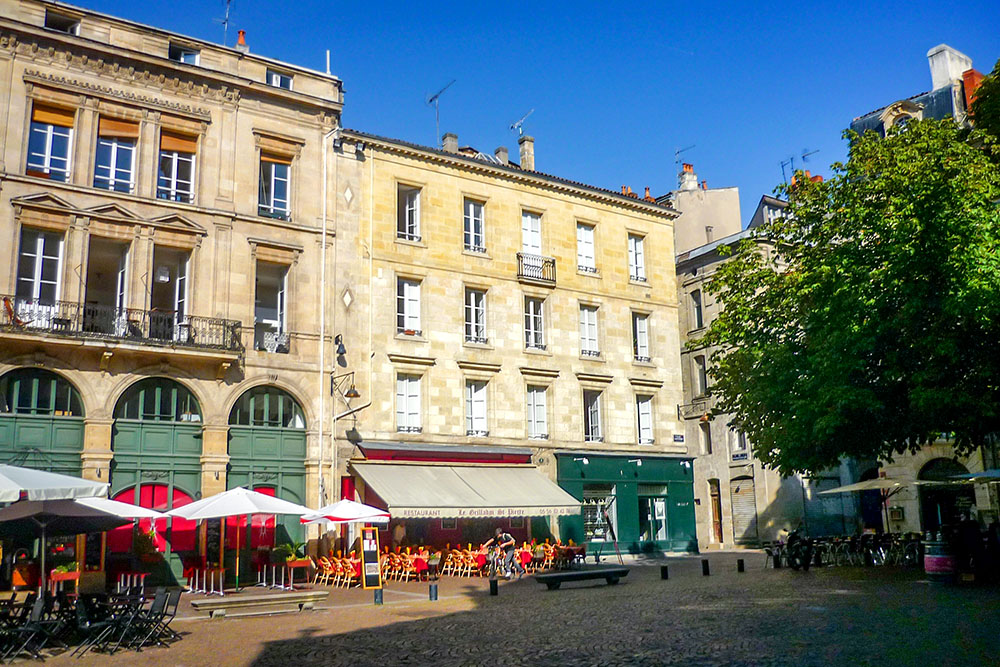
Old town of Bordeaux © French Moments
Conclusion
Bordeaux Gastronomy is a tapestry woven from the richness of the land, the openness of the port, the traditions of the vineyards and the creativity of modern chefs.
It reflects centuries of cultural exchange, agricultural excellence and culinary craftsmanship.
Whether tasted through a caramelised cannelé, a plate of oysters from Arcachon Bay, an entrecôte grilled over vine shoots or a glass of deep Médoc red, the region’s flavours reveal a city grounded in heritage yet constantly reinventing itself.
Bordeaux’s cuisine continues to evolve — but its essence remains unchanged: a celebration of craftsmanship, terroir, and the deep connection between food, wine and place.
In exploring Bordeaux Gastronomy, visitors discover far more than dishes; they experience the soul of Aquitaine.
Where to Stay in Bordeaux
Choosing the right base can make your trip to Bordeaux Old Town even more enjoyable.
The city is compact and walkable, so staying in or near the historic centre is ideal — especially between the railway station and Place des Quinconces, where you’ll have easy access to restaurants, tram lines, and the main sights.
Below is a curated selection of six hotels, ranging from boutique charm to modern comfort, all perfectly located for exploring the city on foot.
Hôtel Burdigala by Inwood Hotels (★★★★★)
A contemporary five-star stay offering refined comfort, elegant interiors, and a calm atmosphere just a short walk from Mériadeck and the historic centre. 115 rue Georges Bonnac, 33000 Bordeaux
Aparthotel Adagio Bordeaux Centre Gambetta (★★★★)
Modern and practical serviced apartments in a central location, ideal for longer stays or travellers seeking kitchen facilities steps from the city’s main cultural sites. 40 rue Edmond Michelet, 33000 Bordeaux
Radisson Hôtel Bordeaux Saint-Jean (★★★★)
A stylish contemporary hotel near Bordeaux-Saint-Jean station, perfect for visitors arriving by TGV and looking for easy tram access into the historic centre. 13 rue des Gamins, 33800 Bordeaux
Hôtel de Normandie (★★★★)
Classic Bordeaux elegance in a beautifully preserved 18th-century building, ideally located near the Golden Triangle and Place des Quinconces. 7 Cours du 30 Juillet, 33000 Bordeaux
Hôtel Majestic (★★★★)
A refined, traditionally styled hotel in a prime central location, close to Bordeaux’s theatres, upscale shopping streets, and major monuments — ideal for exploring the historic centre on foot. 2 rue de Condé, 33000 Bordeaux
Hôtel Madame (★★★)
A charming boutique hotel set in a quiet street near the cathedral, blending intimate atmosphere, thoughtful design, and excellent access to the historic heart of Bordeaux. 4 rue Bouffard, 33000 Bordeaux
More places in Bordeaux?
Find your preferred accommodation here or by browsing the map below:
What to do in Bordeaux?
Check out the activities and monuments you can visit in Bordeaux: