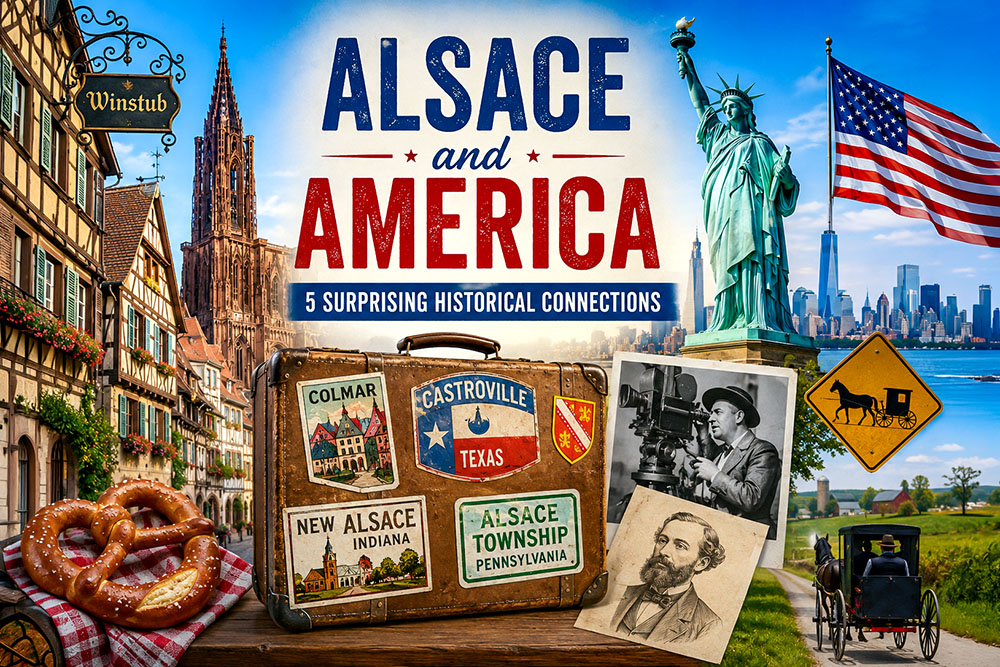


Alsace and America may not seem like the most obvious pairing.
One has half-timbered villages, vineyards, winstubs and an impressive ability to put cream into dishes that were already doing perfectly well without it. The other has New York, Hollywood, Texas and rather larger portion sizes.
Yet the connections between Alsace and the United States run surprisingly deep.
Some are famous. One of America's great national symbols was created by a man from Colmar. Others are much less obvious. The story of the Amish passes through the valleys of Alsace, while thousands of kilometres away in Texas you can still find a town proudly calling itself the “Little Alsace of Texas”.
There is even an Alsace Township in Pennsylvania and a New Alsace in Indiana.
So before anyone gets the idea of simply adding Alsace to the United States — and I sincerely hope nobody in Washington is reading this as a suggestion — here are five things America has already received from this small corner of eastern France.
1. The Statue of Liberty began with a man from Colmar
We might as well start with the big one. Quite literally.
Frédéric-Auguste Bartholdi, the sculptor behind the Statue of Liberty, was born in Colmar in 1834.
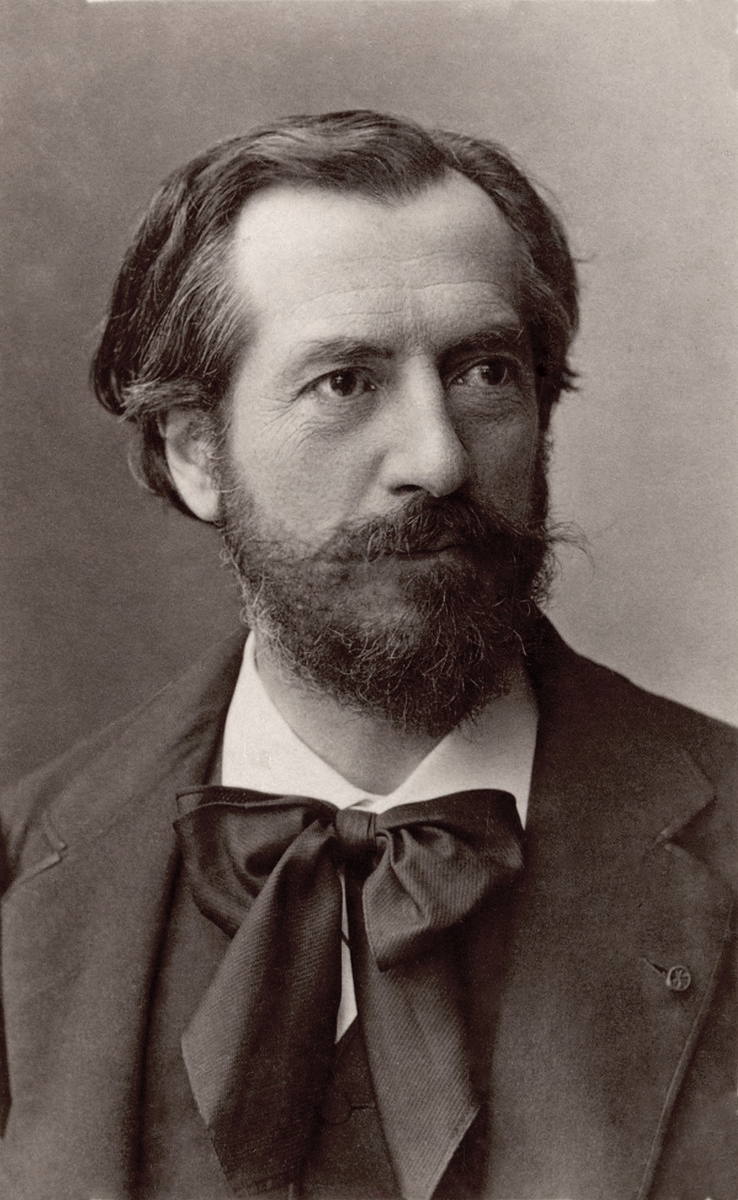
Auguste Bartholdi
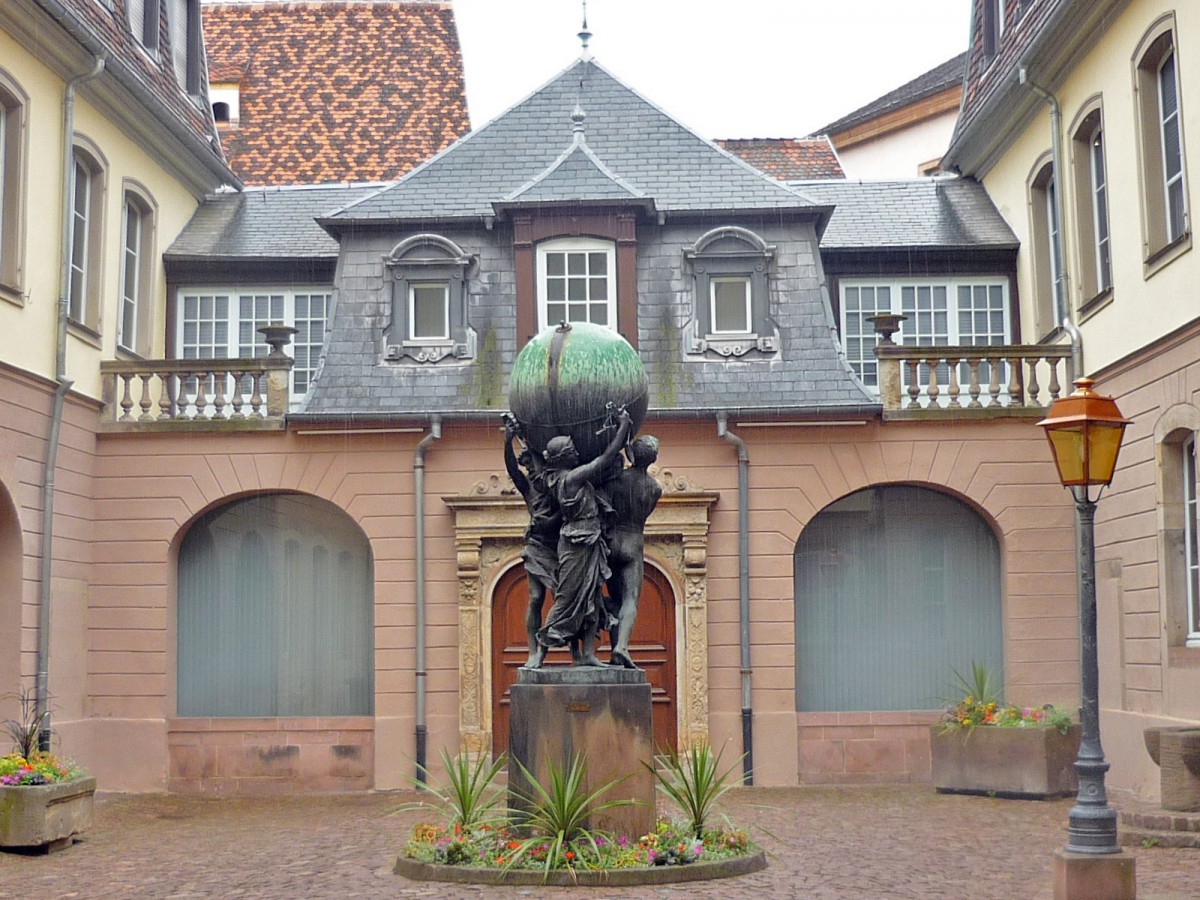
Bartholdi museum, Colmar © French Moments
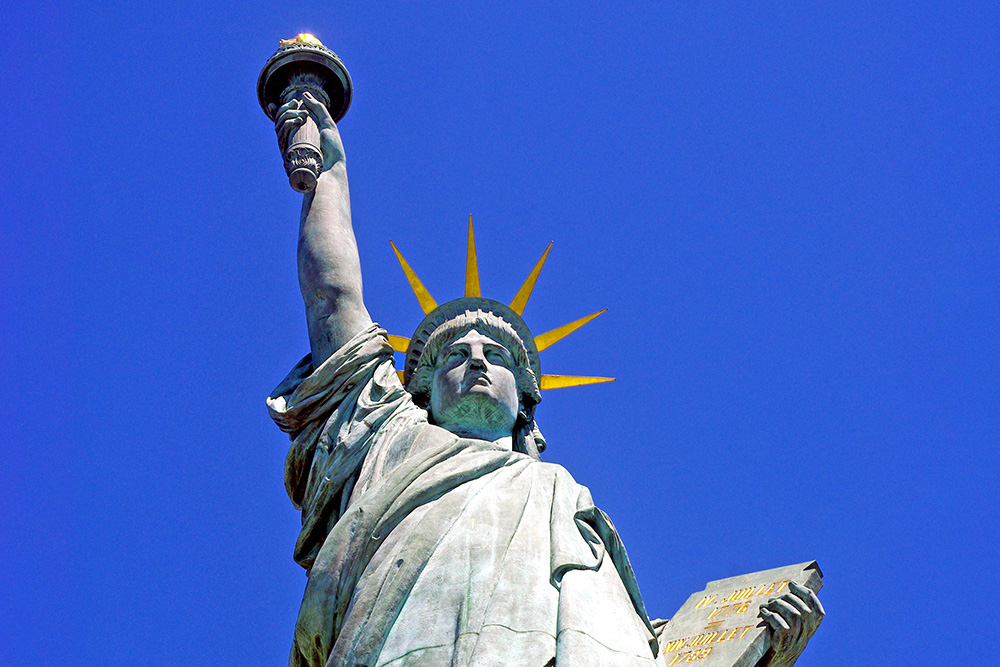
Statue of Liberty © French Moments
He left Alsace as a child to study in Paris, but his native region remained an important part of his life. After France's defeat in the Franco-Prussian War of 1870–71, Colmar became part of the new German Empire — an upheaval Bartholdi experienced personally.
By then, however, another enormous project was taking shape.
The idea of presenting the United States with a monument celebrating liberty had been promoted by French political thinker Édouard de Laboulaye. Bartholdi embraced it enthusiastically and travelled to America in 1871, eventually choosing Bedloe's Island — today's Liberty Island — as the site.
The result was Liberty Enlightening the World, dedicated in New York Harbour in 1886.
So yes, one of the most recognisable symbols of the United States came from the imagination of an Alsatian.
Not bad for Colmar. Most towns are quite pleased if they produce a decent Christmas market.
2. The Amish story has an Alsatian chapter
The Amish are usually associated with Pennsylvania, Ohio and Indiana.
Alsace does not immediately spring to mind.
Yet the early history of the movement is closely connected with the region.
The Amish emerged from a division among Swiss Anabaptists in 1693, associated with the preacher Jakob Ammann. Ammann himself was Swiss, so we should not suddenly claim him for Alsace — Europeans have had enough arguments over nationality already.
But Ammann and his followers had important connections with Sainte-Marie-aux-Mines, in the Vosges valleys of Alsace.
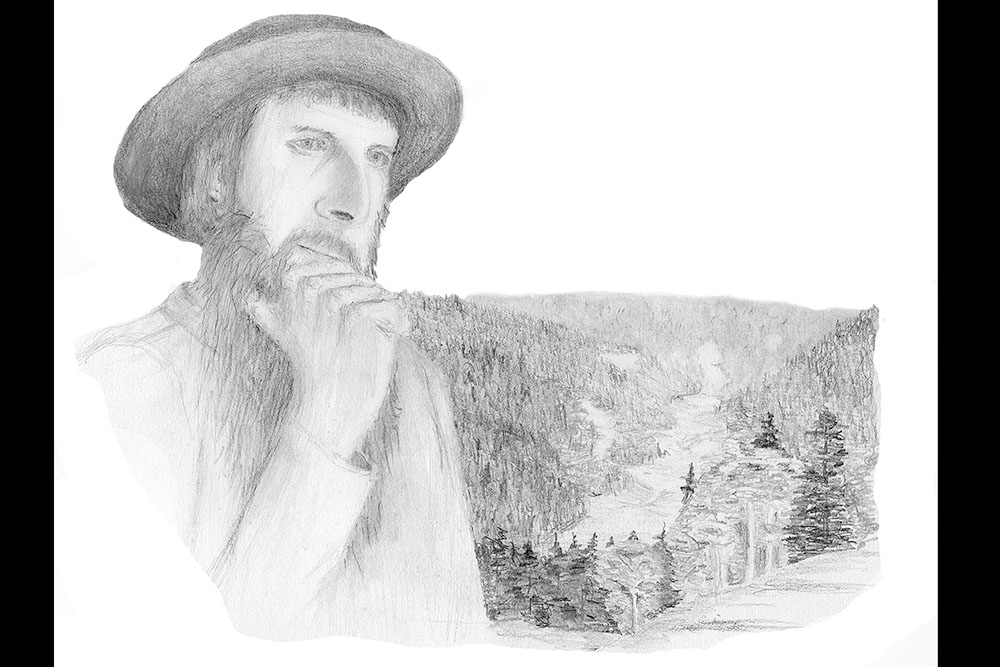
Jakob Ammann above the valley where his house stood near La Petite Lièpvre, Alsace. Image by Mikeatnip via Wikimedia Commons CC0
Anabaptists fleeing persecution in Switzerland had settled in this area, and Ammann was active there. A significant meeting involving his followers took place at Sainte-Marie-aux-Mines in 1697.
Alsace consequently became one of the early European refuges of communities associated with the Amish tradition before many Anabaptist families eventually crossed the Atlantic.
Today, the sight of an Amish buggy on a road in Pennsylvania may feel very American. But part of the story behind it passes through a quiet valley in the Vosges.
3. Castroville: a little piece of Alsace in Texas
This is perhaps my favourite connection.
Travel about 25 miles west of San Antonio and you arrive in Castroville, a town that officially describes itself as “The Little Alsace of Texas”.
And that is not some imaginative tourism slogan dreamt up last Tuesday.
Castroville was founded in 1844 by Henri Castro with settlers recruited largely from Alsace. Many came from the Haut-Rhin and swapped the green foothills of the Vosges for the considerably warmer landscapes of Texas.
That must have been quite an adjustment.
The settlers brought their building traditions, language, family names and customs with them. Even today, Castroville preserves historic houses influenced by Alsatian architecture, and descendants of those nineteenth-century settlers still form part of the community.
![Castroville Steinbach House. Photo by Larry D. Moore - licence [CC BY -4.0] from Wikimedia Commons](https://frenchmoments.eu/wp-content/uploads/2026/08/Castroville-Steinbach-House-licence-CC-BY-4.0-from-Wikimedia-Commons.jpg "Castroville Steinbach House - licence [CC BY -4.0] from Wikimedia Commons")
Alsace and America: Castroville Steinbach House. Photo by Larry D. Moore - licence [CC BY -4.0] from Wikimedia Commons
The connection with Alsace has not disappeared either. In 1997, the town's regional park received a Jardin des Racines — Garden of Roots as a gesture of friendship from the people of Alsace.
You can therefore stand in Texas, surrounded by reminders of a region nearly 9,000 kilometres away.
Although I suspect ordering a tarte flambée there while insisting that it is not a pizza may still be advisable.
4. Mulhouse made it to Hollywood
From Texas, we move to Hollywood.
William Wyler was born in Mulhouse in 1902, at a time when the city was actually part of the German Empire.
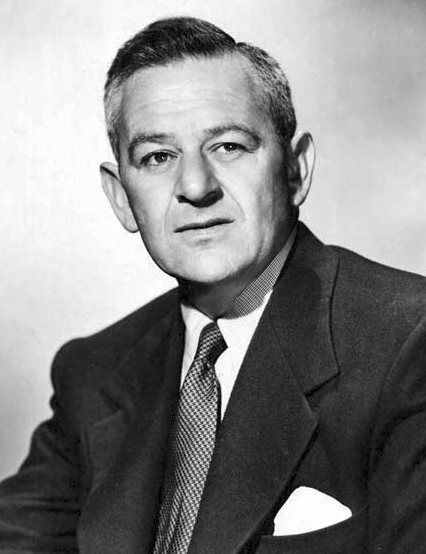
William Wyler in 1945
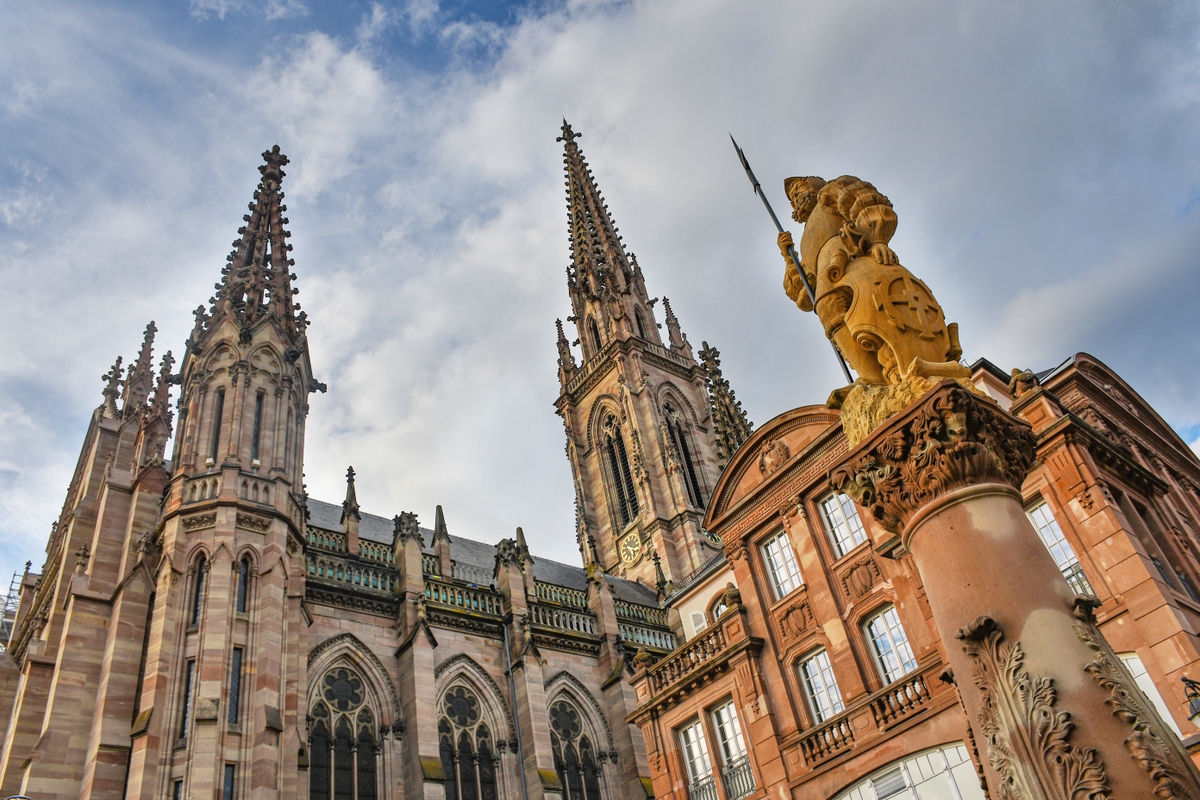
His route to American cinema was helped by a rather useful family connection: Carl Laemmle, the founder of Universal Pictures, was his mother's cousin.
Wyler went to the United States as a young man and worked his way through the rapidly developing film industry.
He eventually became one of Hollywood's most celebrated directors.
His films included Roman Holiday, Ben-Hur, Mrs Miniver and The Best Years of Our Lives, and he won the Academy Award for Best Director three times.
There is something wonderfully improbable about that journey.
A boy growing up in Mulhouse before the First World War eventually directs Audrey Hepburn through Rome and Charlton Heston around a chariot track.
Hollywood plots have been built on less.
5. Alsatians literally put Alsace on the American map
The last connection is not a person or a monument.
It is the map itself.
Alsatian emigrants who crossed the Atlantic sometimes carried the name of their homeland with them.
In Pennsylvania, Alsace Township dates from 1745.
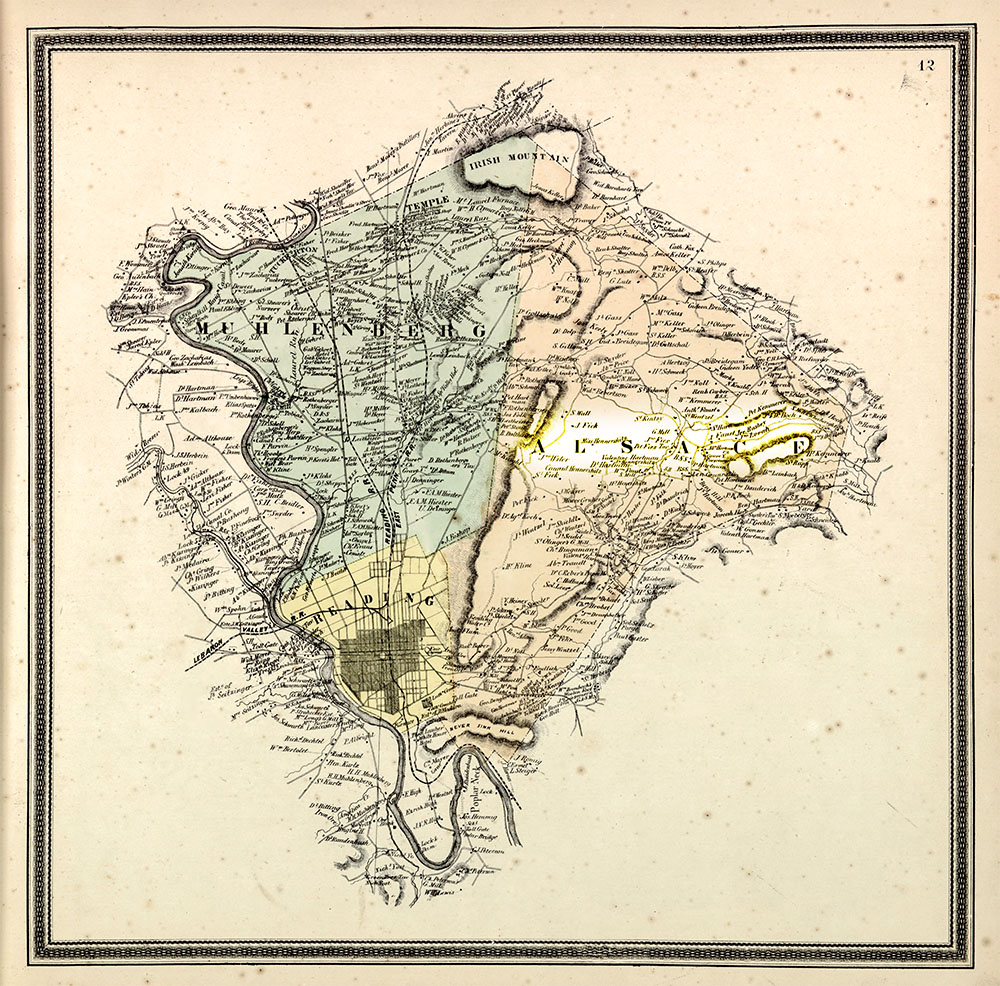
Alsace and America: Township map of Berks County, Pennsylvania
An eighteenth-century petition records that the first settlers had come from “Elsas” and wanted their new township to bear the name of the place they had left behind.
The name survived.
There is also Lower Alsace Township nearby, while farther west, in Indiana, you can find the small community of New Alsace, laid out in 1838.
New Alsace was founded by German-speaking Alsatians, later joined by other German immigrants. The name remains on the map today.
These are small places, admittedly. Nobody is likely to confuse New Alsace, Indiana, with Strasbourg.
But I find them rather touching.
An emigrant can leave a country behind, cross an ocean and build an entirely new life — yet sometimes one of the first things they do is give the new landscape an old name.
Place names have long memories.
One Last Thought… and a Little Bit of Humour
By now, I think we can safely say that America has already received quite a lot from Alsace.
A colossal statue in New York Harbour. A chapter in Amish history. A little Alsace in Texas. A Hollywood director from Mulhouse. And even a few Alsatian place names quietly settled into the American landscape.
So perhaps there is no real need to annex Alsace after all.
That, at least, is the spirit behind the satirical image below — a playful nod to the idea of Make Alsace Great Again, to be taken with a smile rather than a diplomatic briefing.
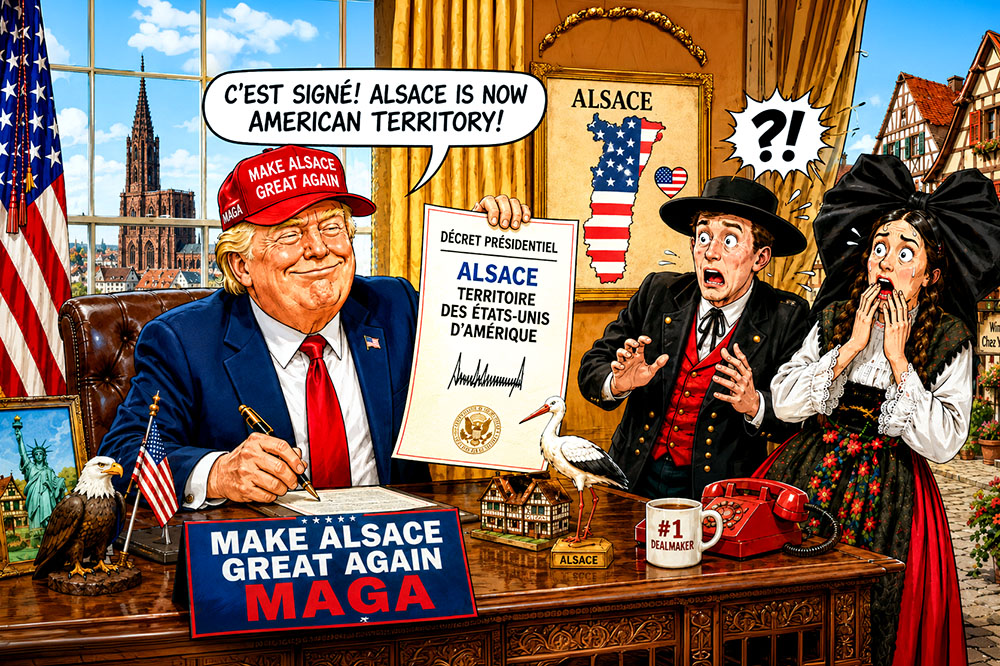
A little satirical thought experiment: “Make Alsace Great Again”
Yet behind the joke lies a more serious question. Maps, names and territories can become political symbols remarkably quickly.
And if you would like to explore that side of the story, I take a closer look at it here:
Read next on my blog alsacelorraineguide.com:
It is a much more detailed essay on the subject, for those who are curious to explore how politics, language and shifting borders have shaped place names in Alsace over the centuries.