

Car rental in France can be one of the best ways to explore the country in 2026, but only if you use it wisely.
That last part matters.
You do not need a car to visit the centre of Paris, stroll along the Seine, admire the cathedral in Strasbourg, or get lost in the old streets of Vieux-Lyon. In fact, in most big French cities, a car is often less of a freedom machine and more of a small metal box you pay to worry about.
Parking? Expensive.
Traffic? Enthusiastic.
One-way streets? Practically a national sport.
But leave the city behind, and everything changes.
A rental car can take you to hilltop villages in Provence, vineyard roads in Alsace, hidden abbeys in Burgundy, Normandy’s coastal lanes, Dordogne markets, Alpine lakes, and those little places where the church bell rings, the bakery smells wonderful, and the bus may or may not come next Thursday.
So the question is not simply: “Should I rent a car in France?”
The better question is: “How can I save money on car rental in France without spoiling the trip?”
Here are my practical tips for 2026.
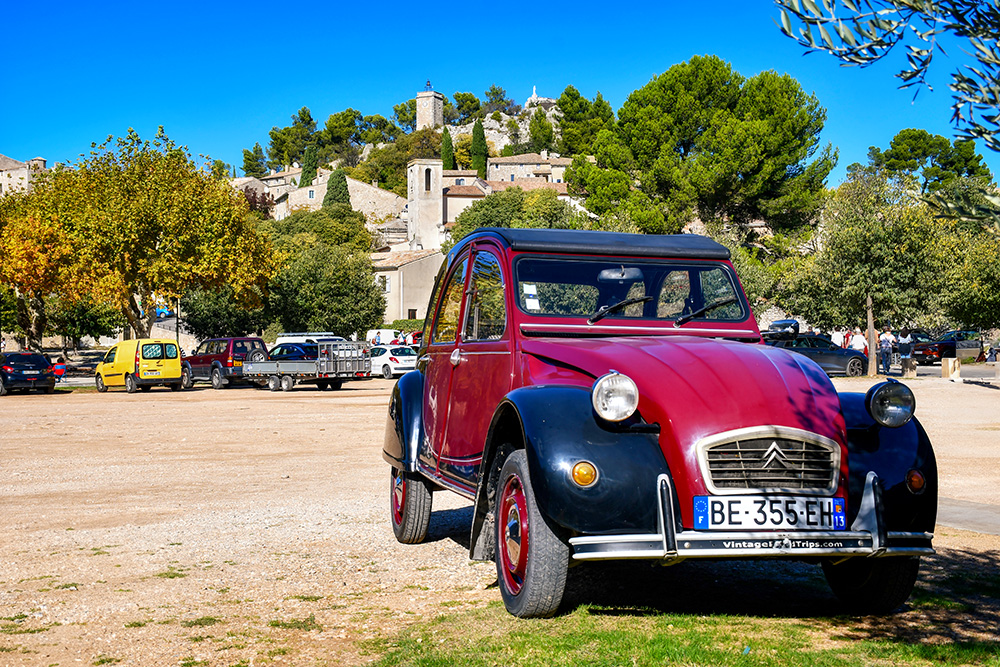
Eygalières, Provence © French Moments
Car Rental in France: Do You Really Need a Car?
Before comparing prices, choosing insurance, or wondering whether you dare drive through a medieval village without folding both mirrors in, start with the most important money-saving question:
Do you actually need a car for every day of your trip?
Often, the answer is no.
France has an excellent railway network, especially between major cities. If your trip includes Paris, Lyon, Bordeaux, Strasbourg, Lille, Marseille, Nice, or Nantes, you may be much better off using trains first and hiring a car only for the countryside section of your journey.
For example, you could:
- spend a few days in Paris without a car, then pick one up for the Loire Valley;
- take the train to Strasbourg, then rent a car for the Alsace Wine Route;
- visit Bordeaux on foot and by tram, then drive into the Dordogne;
- stay in Nice without a car, then hire one for the hilltop villages of the arrière-pays;
- reach Annecy by train, then rent a car for mountain villages and lake viewpoints.
This simple decision can save you money on rental days, city parking, fuel, tolls, and possibly a few emotional support croissants.
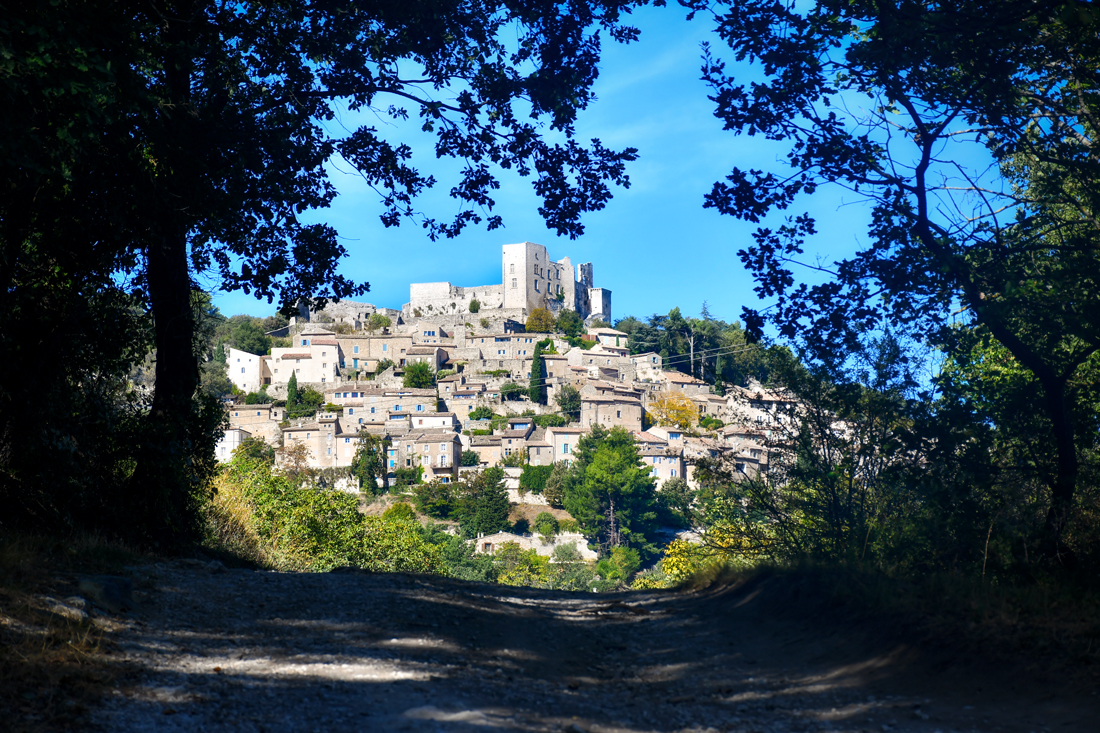
Lacoste, one of the most beautiful villages of the Luberon © French Moments
Save Money on Car Rental in France by Renting for Fewer Days
One of the easiest ways to save money is to reduce the number of rental days.
This may sound obvious, but it is one of the most common mistakes travellers make. They land in France, pick up a car immediately, then spend the first three days in a city where the car sits in a hotel car park doing absolutely nothing — except costing money.

The historic centre of Paris © French Moments
If your itinerary begins with a city stay, delay the rental.
Let the train, metro, tram, bus, or your own feet do the work. Then collect the car when you are ready to explore the places public transport does not serve well.
In 2026, this is especially useful if you are planning a mixed itinerary: a few days in a city followed by a slower journey through villages, vineyards, coastlines, or mountains.
Think of car rental in France as a tool, not a default setting. Use it where it adds freedom. Avoid it where it adds stress.
Car Rental in France Works Best Outside the Big City Centres
Another way to save money and nerves is to choose your pick-up location carefully.
Airport car rental can be convenient, especially if you are flying in and heading straight to the countryside. In that case, the airport is not just practical — it can be the most logical option.
That is exactly what we did on one of our trips to Provence.
We flew from London Heathrow to Marseille Provence Airport, picked up our rental car there, and drove straight towards the Luberon.
For that kind of itinerary, a car was not really optional. If you want to explore the villages perchés of the Luberon — places like Gordes, Roussillon, Bonnieux, Lacoste or Ménerbes — you need the flexibility of your own vehicle.
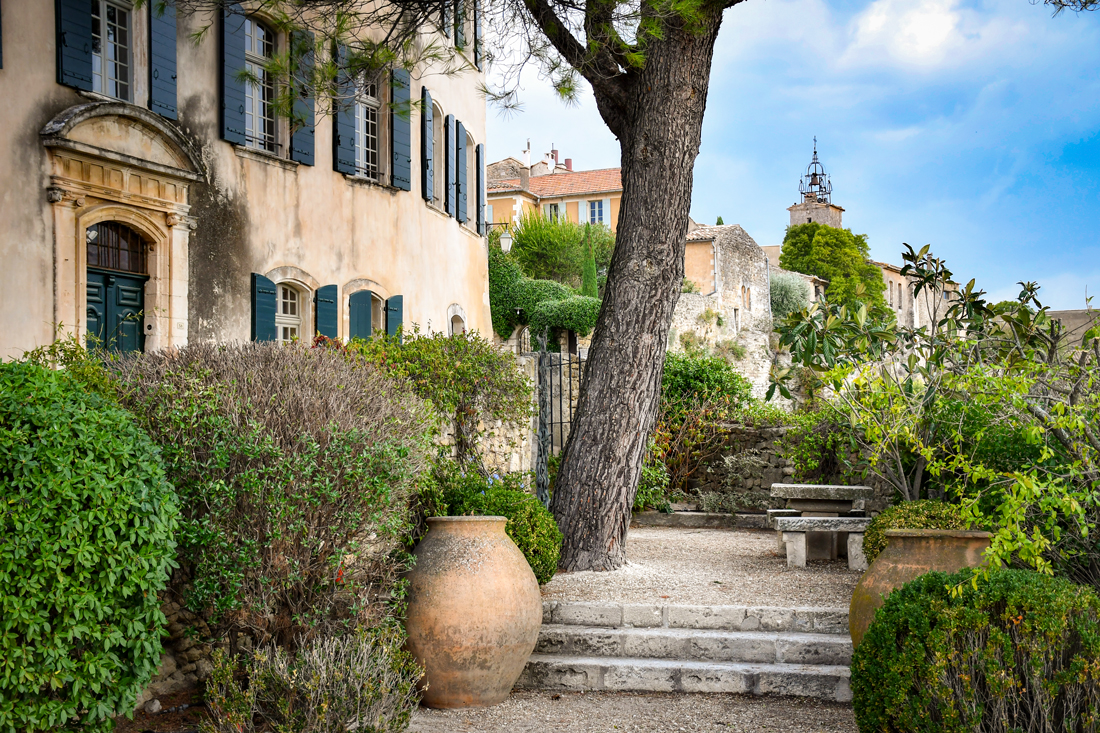
Ménerbes in the Luberon © French Moments
Could we have reached Provence by train? Yes.
Could we have wandered freely between hilltop villages, viewpoints, markets, abbeys and lavender-scented back roads without a car? Not in the same way.
But if you are staying in a city first, the calculation changes. It can be worth comparing airport, railway station, and city-office locations before booking.
Sometimes the airport has more choice. Sometimes the station is more practical. Sometimes a smaller city near your destination gives you a calmer start.
For instance, if you are exploring the Loire Valley, you might compare picking up a car in Tours, Orléans, or even after leaving Paris by train.
If you are heading to Alsace villages, Strasbourg may be useful, but you may not want a car while staying in the city centre.
For Provence, Avignon, Aix-en-Provence, Marseille, Nîmes, or Nice can all make sense depending on your route.
The cheapest option is not always the best option. A slightly higher rental price can still be better if it saves you an awkward drive, expensive parking, or a long detour.
Compare the Total Cost, Not Just the Daily Price
The headline price is only the beginning.
When comparing car rental in France, look at the total cost and the conditions. A very cheap car can become less cheap when you add insurance, a second driver, child seats, GPS, cross-border permissions, one-way fees, or a higher deposit.
Before booking, check:
- the fuel policy;
- mileage limits;
- what insurance is included;
- the excess or franchise;
- the deposit required on your credit card;
- the pick-up and drop-off times;
- cancellation rules;
- whether the rental desk is in-terminal or requires a shuttle;
- customer reviews for that specific location.
This is where a comparison platform such as DiscoverCars can be helpful, because you can compare different suppliers, locations, conditions, and prices in one place rather than opening fifteen tabs and slowly losing the will to travel.
Still, do not choose only by price. The best deal is not necessarily the cheapest car. It is the car whose conditions you understand before you arrive at the counter.
Car Rental in France and Insurance: Read the Excess Carefully
Insurance is one of the least romantic parts of travel planning, which is probably why it tends to appear just when you are tired, holding your passport, and wondering where the rental desk is.
But it matters.
In Europe, car rental often includes basic cover such as Collision Damage Waiver and theft protection, but this does not always mean you have nothing to pay if something happens. There is usually an excess, also called a franchise. This is the amount you may be liable for before the insurance cover applies.
That excess can be significant.
So before booking car rental in France, check:
- how much the excess is;
- whether tyres, windscreen, mirrors, roof, underbody, and keys are covered;
- whether roadside assistance is included;
- what happens if the car is damaged while parked;
- what documents you need if you make a claim.
You may choose the rental company’s own additional cover, a third-party excess insurance policy, or cover through a credit card, depending on your situation. The important thing is not to decide in a panic at the desk.
A little reading before the trip can save a lot of confusion later.

Direction Ménerbes © French Moments
Choose the Right Car Rental in France for French Roads
In France, bigger is not always better.
This is especially true if your dream itinerary includes old villages, mountain roads, underground car parks, narrow lanes, or historic town centres apparently designed by people who never imagined the invention of wing mirrors.
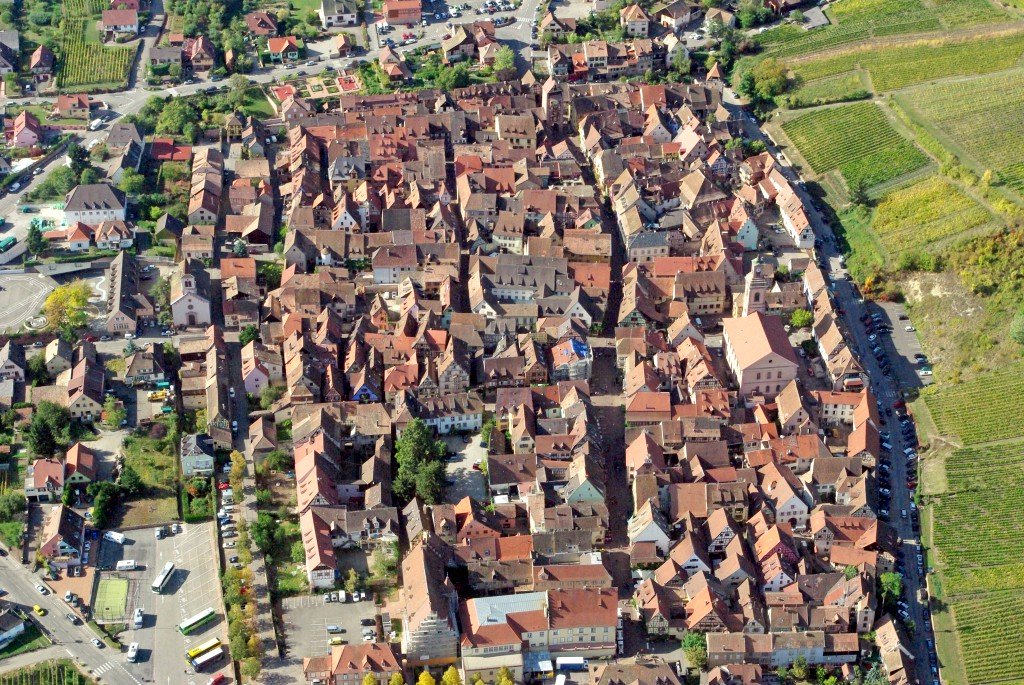
Fancy driving in the village of Riquewihr with a large SUV? © French Moments
A compact car is often the smartest choice.
It is usually cheaper to rent, easier to park, more fuel-efficient, and far less stressful in tight spaces. Unless you genuinely need a large vehicle for luggage or family reasons, avoid upgrading just because it sounds comfortable.
If you are travelling from North America or Australia, pay close attention to transmission. Manual cars are often cheaper and more common in France. Automatic cars are available, but they can cost more and may sell out sooner, especially in high season.
If you need an automatic, book early.
Also check luggage space carefully. A “small car” may be perfect for two people and a couple of cabin bags, but not ideal for two adults and two children, three suitcases, a pushchair, and everyone’s optimistic holiday shopping.
We learnt this lesson in Provence. Fortunately, our rental car turned out to be larger than expected, because once we had collected our luggage at Marseille Provence Airport, we realised the boot had a rather important role to play.
Between suitcases, camera gear, and the mysterious extra bags that always seem to appear when travelling as a family, a smaller car would have made the drive to the Luberon a lot more… intimate.
Book Early for Summer, Christmas Markets and School Holidays
Prices can rise quickly when demand increases.
For car rental in France, booking early is especially important if you are travelling during:
- July and August;
- French school holidays;
- long weekends in May;
- the Christmas market season in Alsace;
- Easter holidays;
- major local events;
- peak summer in Provence, the Dordogne, the Alps, Normandy, or the Côte d’Azur.

On the road in Burgundy © French Moments
This is even more important if you need an automatic car, a family-sized vehicle, or a pick-up location in a smaller town.
Booking early does not mean you should stop comparing. If your booking allows free cancellation or changes before a certain deadline, you may still be able to adjust your plans if a better option appears later.
The key is flexibility. The earlier you start, the more choices you usually have.
Watch the Hidden Costs of Car Rental in France
Car rental is only part of the driving budget.
In France, you also need to think about tolls, fuel, parking, and possible city restrictions.
French motorways are often excellent, but many are toll roads. If you are driving long distances, tolls can add up quickly. Sometimes the autoroute is worth it because it saves time and gives you an easier journey. Sometimes the slower road is cheaper, more scenic, and far more memorable.
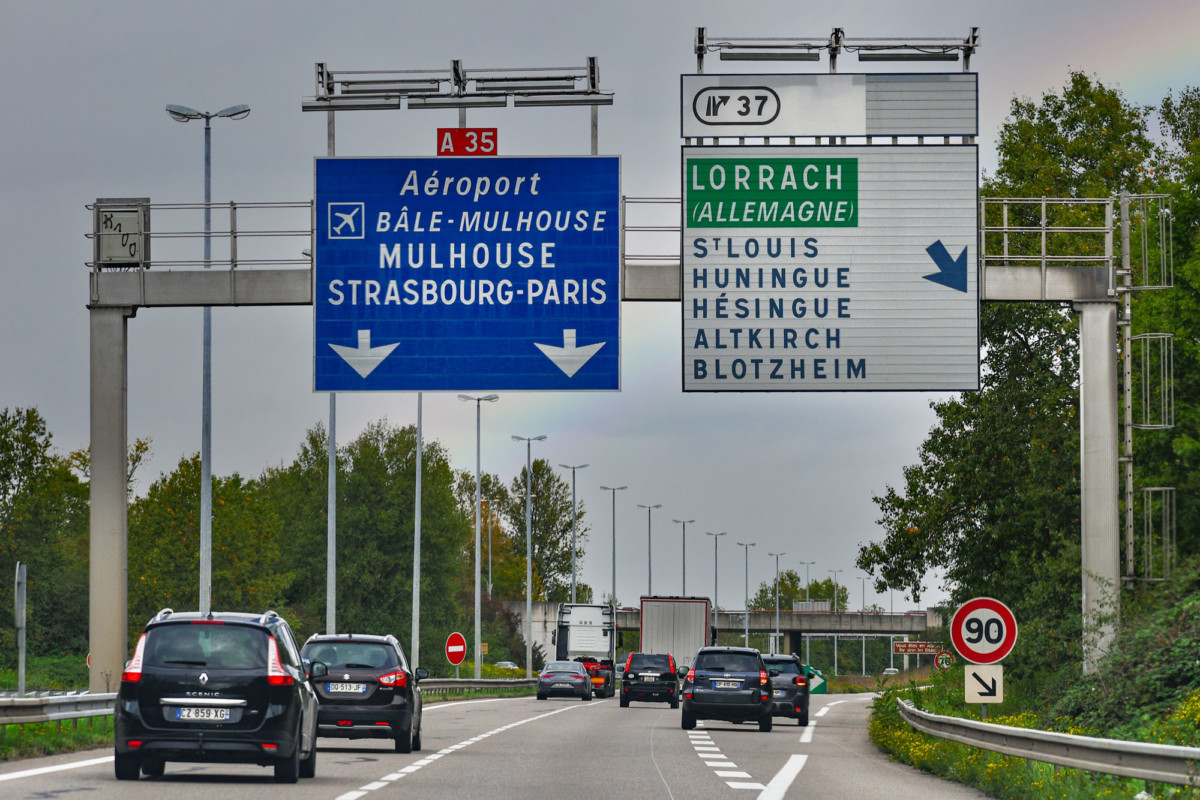
The A35 motorway in Alsace © French Moments
I usually like a mixture.
The autoroute is useful when you need to cover distance. But the national and departmental roads are often where France becomes more interesting: roadside chapels, sunflower fields, sleepy villages, unexpected viewpoints, and the occasional bakery that makes you question all your previous life choices.
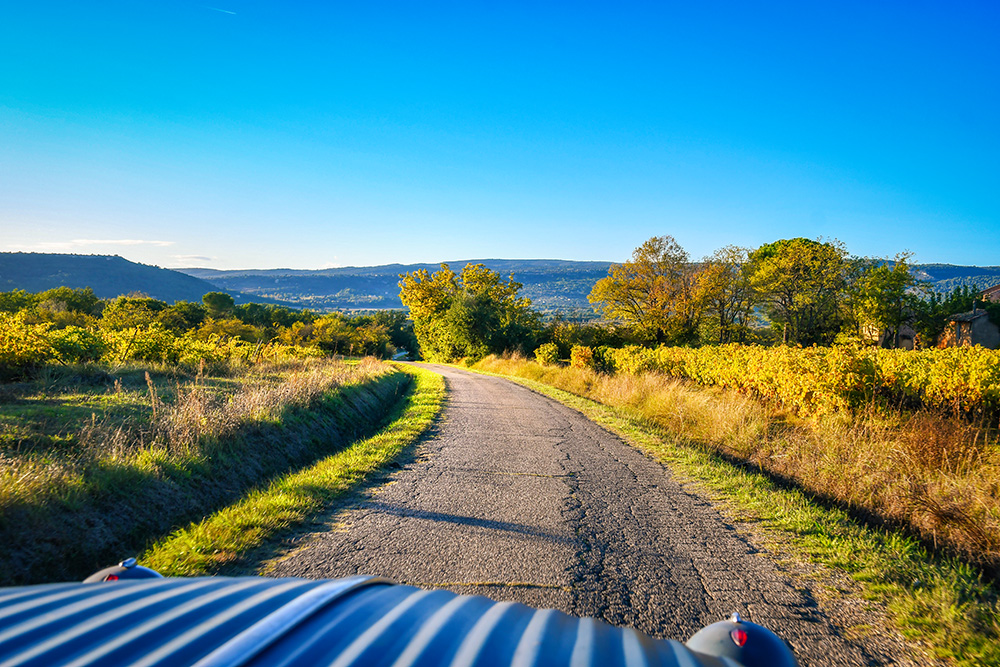
On the country roads of Provence © French Moments
Parking is another cost to plan. In many popular towns and villages, central parking may be limited, paid, or very busy in summer. Look for park-and-ride options, hotel parking, or car parks just outside the historic centre.
And do not forget fuel. A cheaper rental car that consumes more petrol may not be cheaper at all if you are driving long distances.
Avoid One-Way Fees When Planning Car Rental in France
A one-way rental can be very convenient.
You might pick up a car in Paris, drive through the Loire Valley, continue to Bordeaux, then drop the car there.
Or collect in Strasbourg, follow the Alsace Wine Route, cross Burgundy, and finish in Lyon.
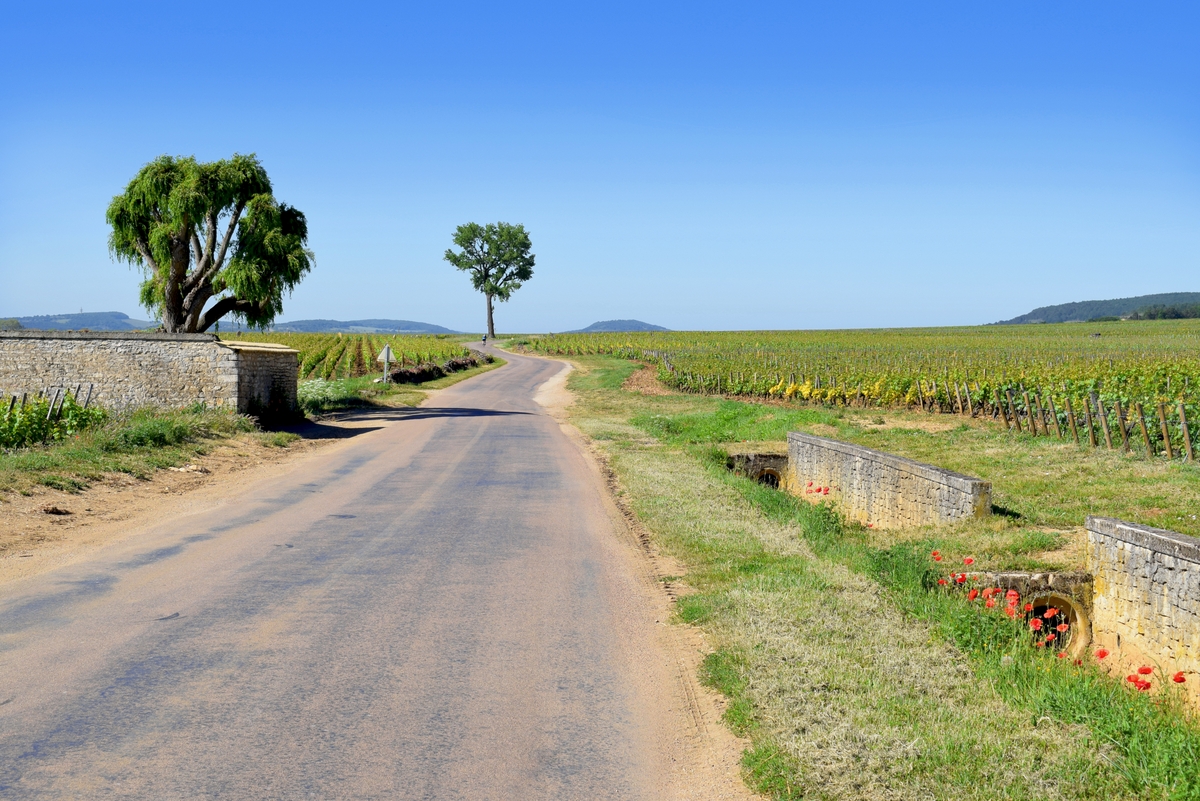
The road across the vineyards of Meursault in Burgundy © French Moments
This can make for a beautiful itinerary.
But one-way rentals often come with an extra fee, especially if you drop the car in a different city, region, or country. The fee may be worth paying if it saves time and avoids backtracking, but it should be included in your budget from the beginning.
When planning car rental in France, compare two options:
- a circular route with the same pick-up and drop-off point;
- a one-way route with a different drop-off point.
Sometimes the one-way fee is reasonable. Sometimes it makes the whole plan more expensive than expected. And sometimes the best solution is to use the train for the long transfer and rent a car locally for the scenic part.
Use Car Rental in France for the Places That Really Need It
The best use of car rental in France is not to drive everywhere.
It is to reach the places where a car makes the experience better.
This includes regions such as:
- Alsace, for vineyard villages and hilltop views;
- Provence, for the Luberon, lavender routes, and villages perchés;
- Dordogne, for castles, caves, markets, and river villages;
- Normandy, for coastal villages, abbeys, and D-Day sites;
- Burgundy, for wine roads and Romanesque churches;
- the Loire Valley, for châteaux and countryside stops;
- the French Alps, for lakes, cols, and mountain villages;
- Brittany, for coves, lighthouses, and coastal roads.
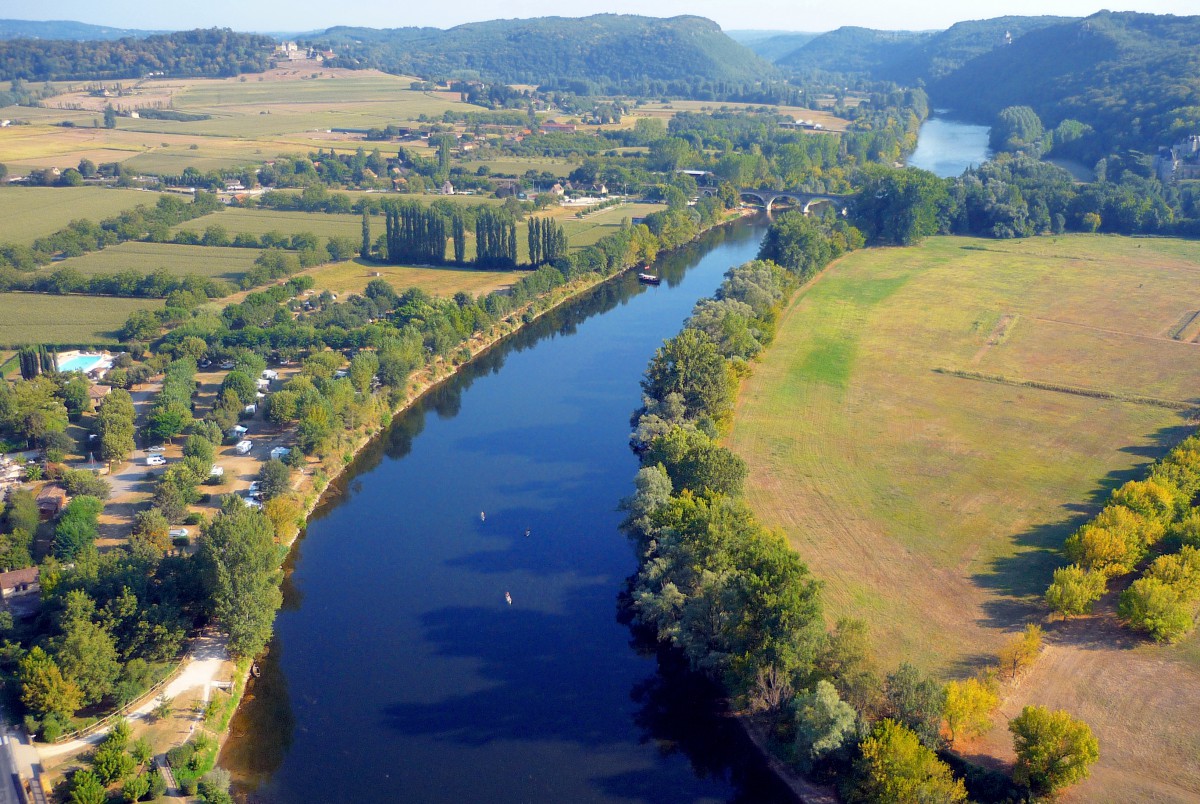
The view of the Dordogne River from the castle of Beynac © French Moments
In these places, a car gives you flexibility. You can stop for photos, take a detour, arrive before the crowds, stay for sunset, or follow a brown heritage sign simply because it looks intriguing.
And sometimes, that is where the real travel memories happen.
Not on the motorway. Not in the queue at the rental desk. But on a quiet road between two villages, when the landscape opens, the church tower appears, and you realise you would never have found this place by accident on a train.
My Final Tips for Car Rental in France in 2026
If you want to save money on car rental in France in 2026, keep it simple.
Rent the car only for the part of the trip where you really need it. Book early if you are travelling in high season. Compare the total cost, not just the daily price. Read the insurance conditions. Choose a car that suits French roads, not just your imagination. Avoid city centres when possible. Plan for tolls, parking, and fuel.
Above all, use the car to make the journey richer, not heavier.
France is a wonderful country to explore by road when you choose the right places. A rental car can take you beyond the obvious postcard views and into the landscapes that make the country so rewarding: vineyards, forests, valleys, coastlines, villages, mountains, and those small discoveries that never quite fit into a timetable.
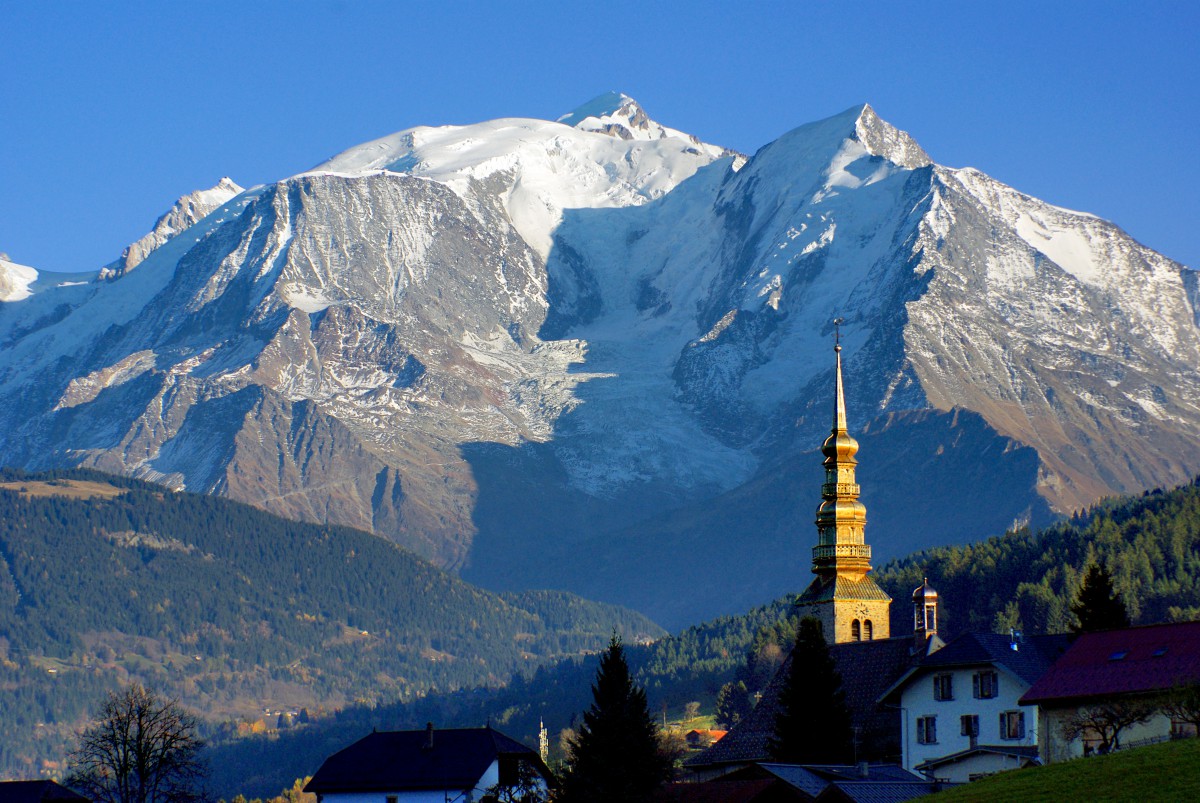
The church of Combloux and Mont-Blanc in the French Alps © French Moments
So yes, car rental in France can save you time, open up beautiful routes, and make your trip more memorable.
Just make sure it also saves you money.
And perhaps leave the large SUV for somewhere with wider medieval streets. Which, in France, may take some time to find.