Anyone who’s visited the Tuileries or Versailles knows the vibe: perfectly straight lines, trimmed hedges, and a total sense of calm.
It’s beautiful, but at the same time a little intimidating. Most people see those sprawling layouts and think that recreating the same look in an ordinary garden is simply impossible.
You don’t need to own a palace to achieve this. Creating a classic atmosphere depends less on the size of your yard and more on how you arrange it.
By using a few simple landscaping “tricks,” you can give an ordinary backyard that special, refined look, regardless of the size of your lot.
French Garden at Home: Start With a Plan
Before you pick up a shovel, you need to think about the layout. French gardens are famous for their structure.
They are the opposite of the wild, messy English cottage gardens. In a French garden, everything has a place.
If you find it hard to imagine how this will look in your yard, try a tool like GardenBox 3D.
It helps you see the layout before you spend money on plants. This way, you can move things around on a screen and see where the sun hits or where a path looks best.
Once you have a basic map, the rest of the work becomes much easier.
The Power of the Central Axis
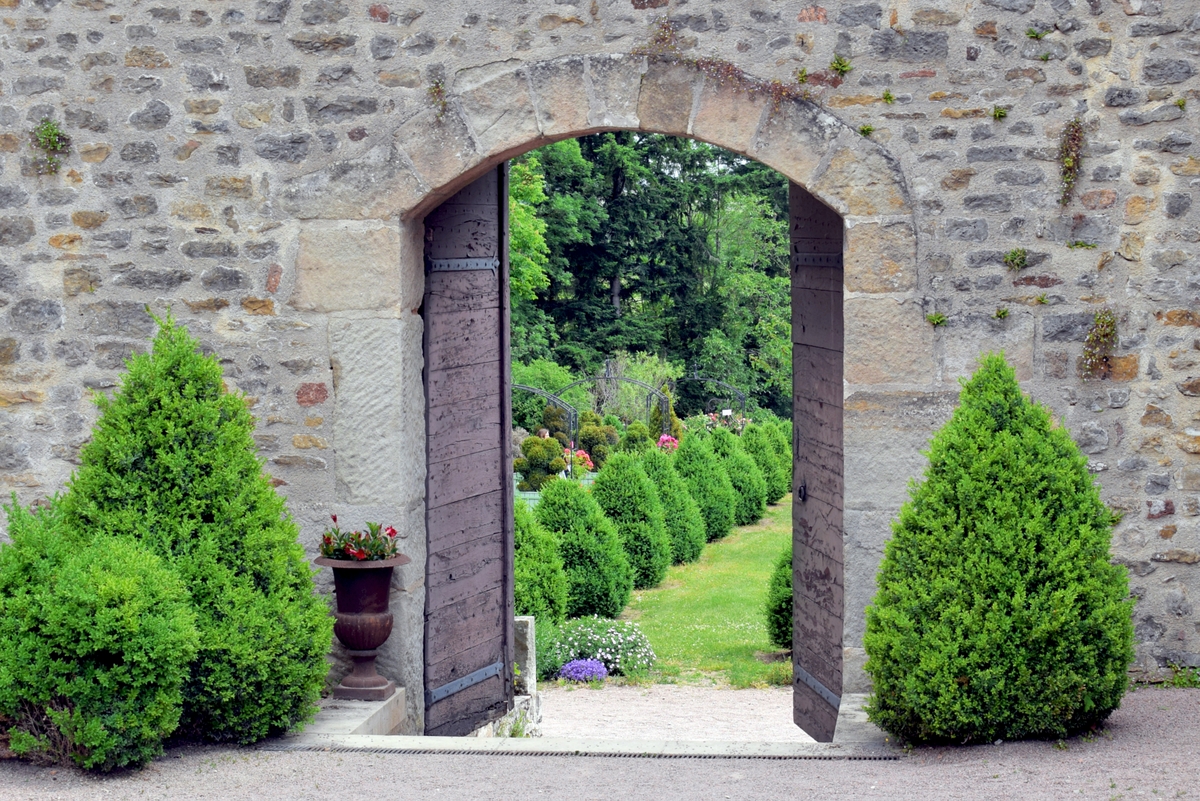
Every great French garden has a “backbone.” This is usually a straight path or a line of sight that leads the eye from the house to the end of the yard. We call this the central axis.
To do this at home, stand at your back door and look out into your garden.
Draw an imaginary line straight down the middle. This line should be clear and open.
You can line it with gravel, low hedges, or even just a strip of very neat grass.
At the very end of this line, place something eye-catching. It could be a stone bench, a large classic urn, or a small fountain.
Use Geometry and Shapes
The French love shapes. Think of your garden as a drawing made of squares, circles, and triangles.
Instead of planting flowers in random clumps, plant them in neat boxes or circles.
You can use low boxwood hedges to create these shapes.
These tiny green walls are the “frames” for your garden “paintings.” Inside the frames, you can plant your flowers or even vegetables.
Pick a Simple Colour Palette
If you look at the best French gardens, you will notice they don’t use a lot of different colours.
They usually stick to a very cool and calm palette. Green is the most important colour as it provides the structure.
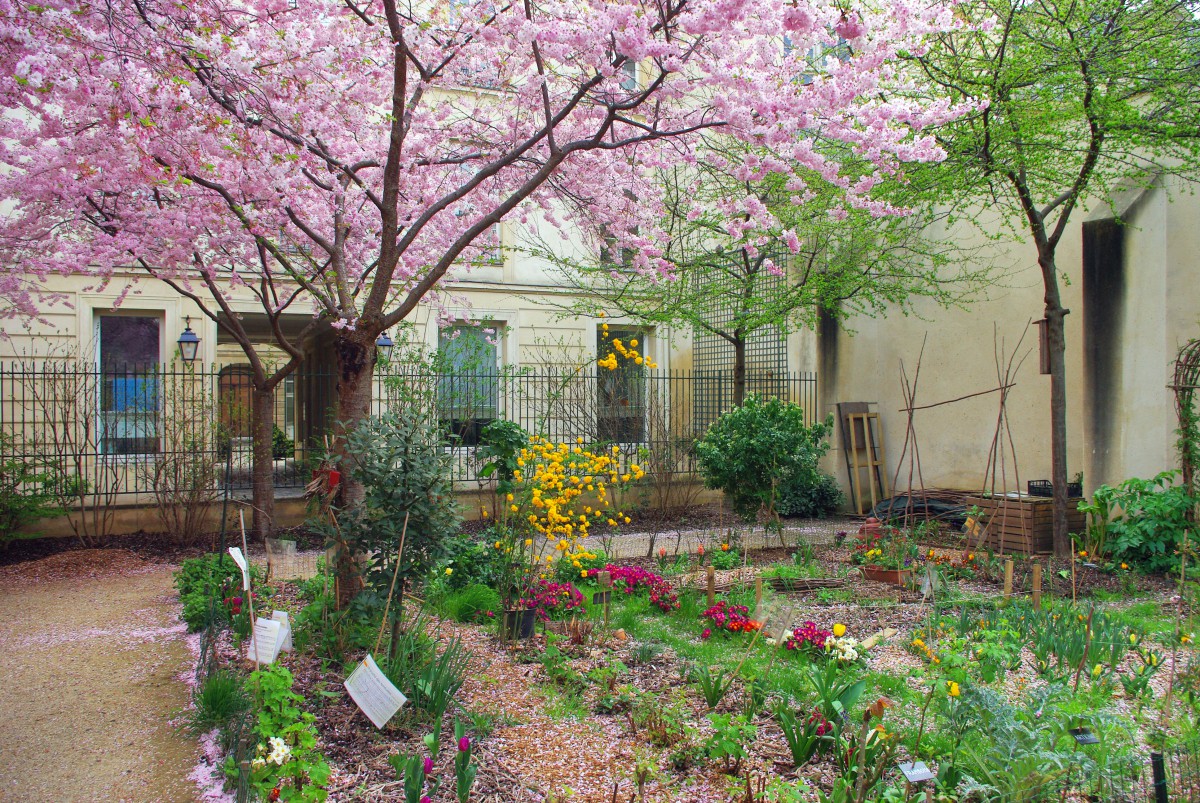
Focus on a palette of whites, muted pinks, and lilacs to create a sense of calm.
Lavender is a classic choice, especially if you want that Provence feel. White roses or white hydrangeas also look very chic against dark green leaves.
When you limit your colours, the garden feels more expensive and sophisticated.

The Sound of Gravel
One of the most “French” things you can do is to get rid of some of your grass and replace it with gravel.
In France, they use a specific type of fine, light-colored gravel. It looks soft and clean.
Gravel is great for several reasons. First, it is much easier to take care of than a lawn.
Second, it makes a wonderful crunching sound when you walk on it.
That sound is a huge part of the French garden experience. Use gravel for your paths or even for a small seating area where you can put a table and chairs.
Add a Touch of Water
Forget about grand palace lakes. A small wall fountain or a simple round pool will do.
The French style uses water to create a sense of calm as the constant trickling helps drown out background noise from the street.
If you’re looking for the simplest option, just use a deep stone bowl.
Furniture and Finishing Touches
To finish the look, you need a place to relax. Forget the heavy plastic chairs or the modern lounge sets.
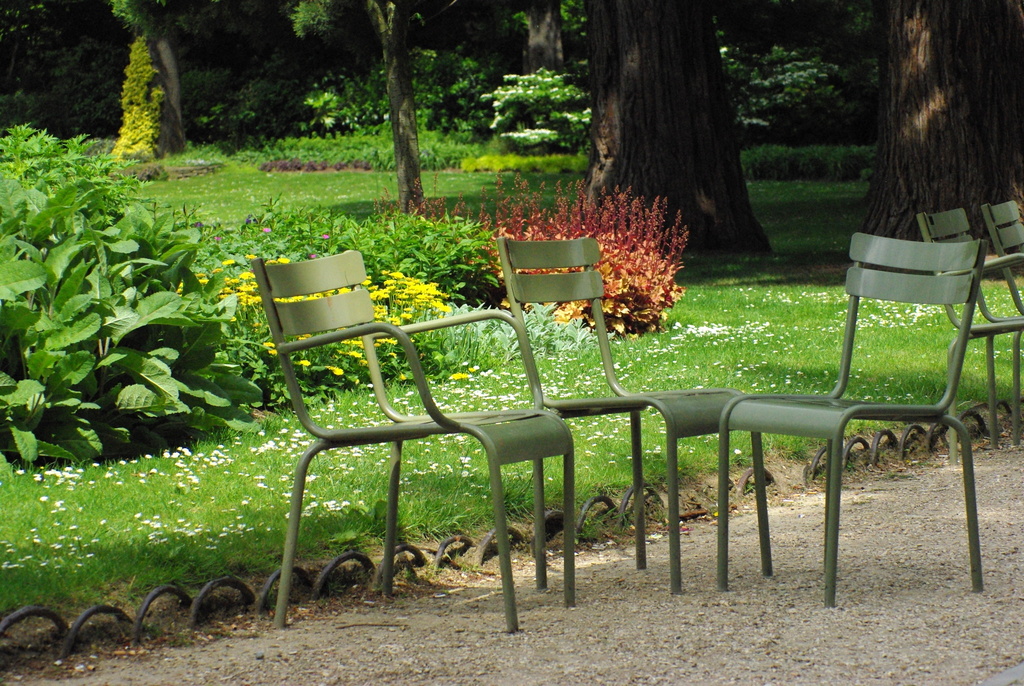
The best choice is classic metal “bistro” furniture.
Think of those green or white folding chairs you see in Parisian parks. They are light and don’t take up much space.
Keep it Neat
The secret to a French garden at home is maintenance. Since the design is so simple and geometric, you will notice when things get messy.
You need to keep your hedges trimmed and your paths clear of weeds.
However, don’t let this scare you. As the garden is organised into specific zones, it is actually quite easy to maintain.
You spend less time guessing where to plant things and more time just “tidying up.”
The French Way of Life
Essentially, a French garden is meant to be lived in, not just admired.
When planning your garden, try to think about how you’ll spend your time there.
Perhaps it will be a small patio for coffee and lunch or a gravel path for a short stroll. And don’t forget about lighting.
Recreating a French garden at home is a fun project that adds a lot of value to your life.
With a bit of planning, a few straight lines, and some beautiful green hedges, you can bring a piece of France right to your doorstep.