

Southwick Revival is one of those events that makes history feel suddenly close.
Not distant. Not abstract. Not locked away behind glass in a museum.
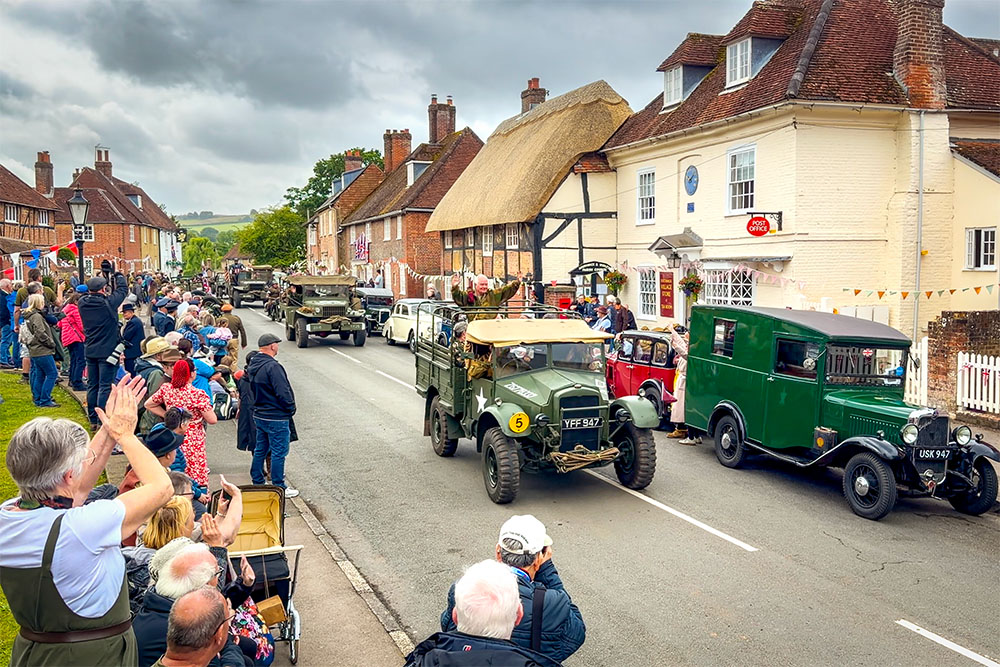
For one weekend, the quiet Hampshire village of Southwick steps back into the 1940s, with military vehicles, period costumes, live music, reenactors, family activities and powerful reminders of the events that led to D-Day.
I visited Southwick Revival with my family on Sunday, 7 June 2026, the second day of the event, and it felt particularly meaningful. Only a short drive from Portsmouth, Southwick is one of the most important D-Day locations in England.
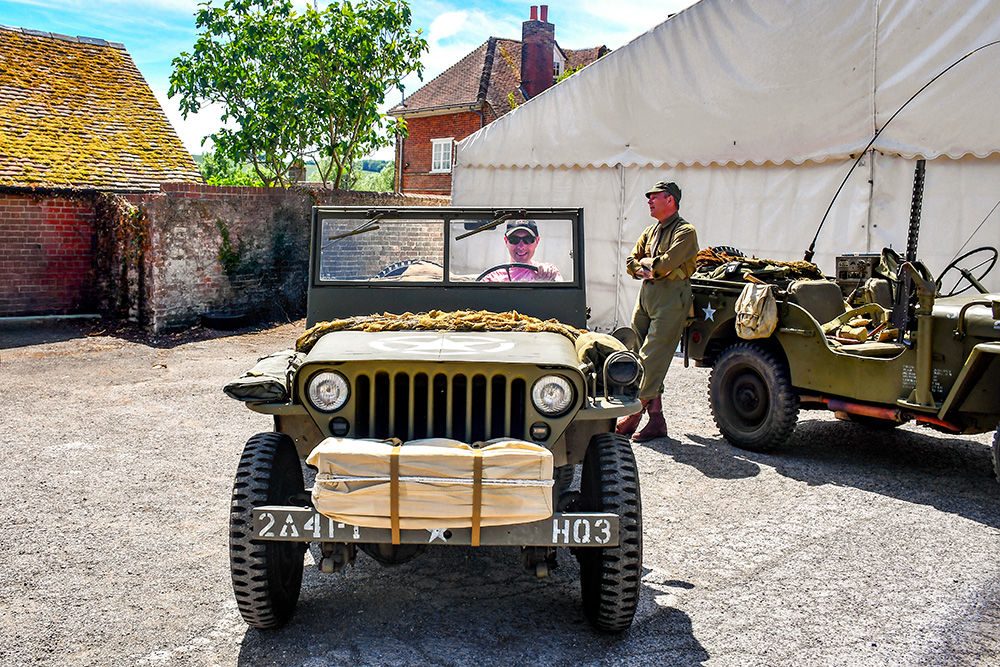
Aboard an American Jeep! © French Moments
It was here, at Southwick House, that Allied commanders finalised the plans for Operation Overlord before the Normandy landings of 6 June 1944.
For anyone interested in France, Normandy and the story of liberation, Southwick Revival is much more than a vintage weekend. It is a living reminder that the liberation of France began not only on the beaches of Normandy, but also in the map rooms, camps, pubs and villages of southern England.
Where is Southwick?
Southwick is a historic village in Hampshire, just north of Portsmouth on the south coast of England.
At first glance, it looks like a peaceful English village, with old houses, a church, traditional pubs and a rural setting close to the rolling countryside of the South Downs.
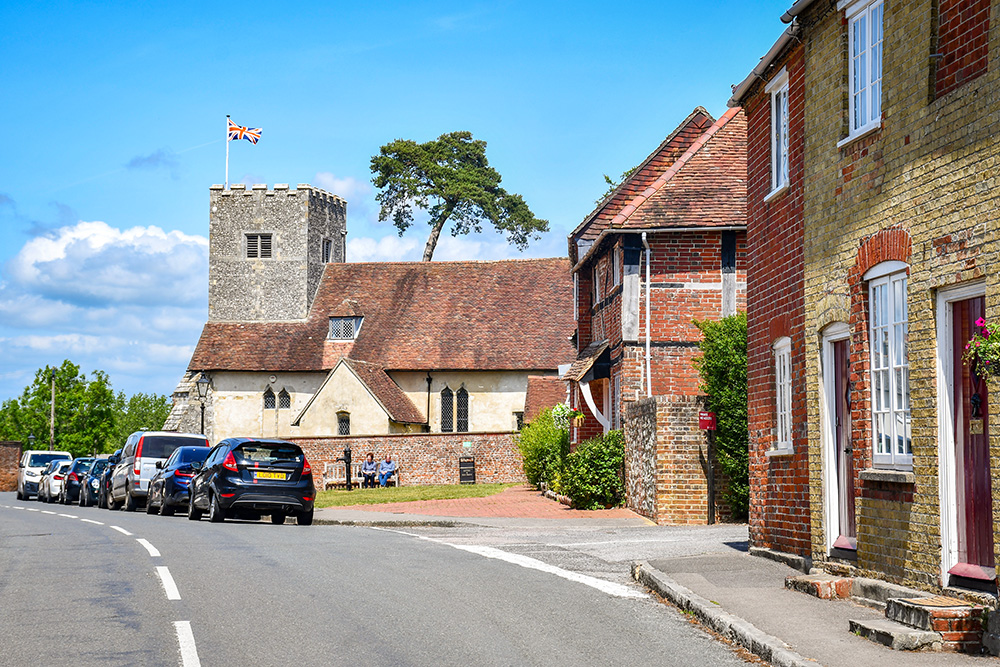
Southwick, Hampshire © French Moments
But Southwick is not just another pretty Hampshire village.
Its location made it strategically important during the Second World War. Portsmouth, one of Britain’s most important naval ports, lies only a few miles away.
The Solent and the south coast were central to the preparations for the Allied invasion of Normandy. Troops, ships, vehicles and supplies gathered across this part of England in the weeks and months before D-Day.
Southwick, with its grand house and discreet village setting, became one of the key locations in that vast operation.
Today, the village still feels peaceful. That is what makes the experience so striking. You walk through Southwick’s streets, past pubs and houses, and then you realise that some of the most important decisions of the Second World War were taken here.
Why Southwick Was Crucial to D-Day
To understand Southwick Revival, you first need to understand Southwick House.
During the war, Southwick House became the forward headquarters of SHAEF, the Supreme Headquarters Allied Expeditionary Force.
It was here that the final planning for Operation Overlord took place. General Dwight D. Eisenhower, Admiral Sir Bertram Ramsay, General Bernard Montgomery and other senior Allied commanders were all connected with the site.
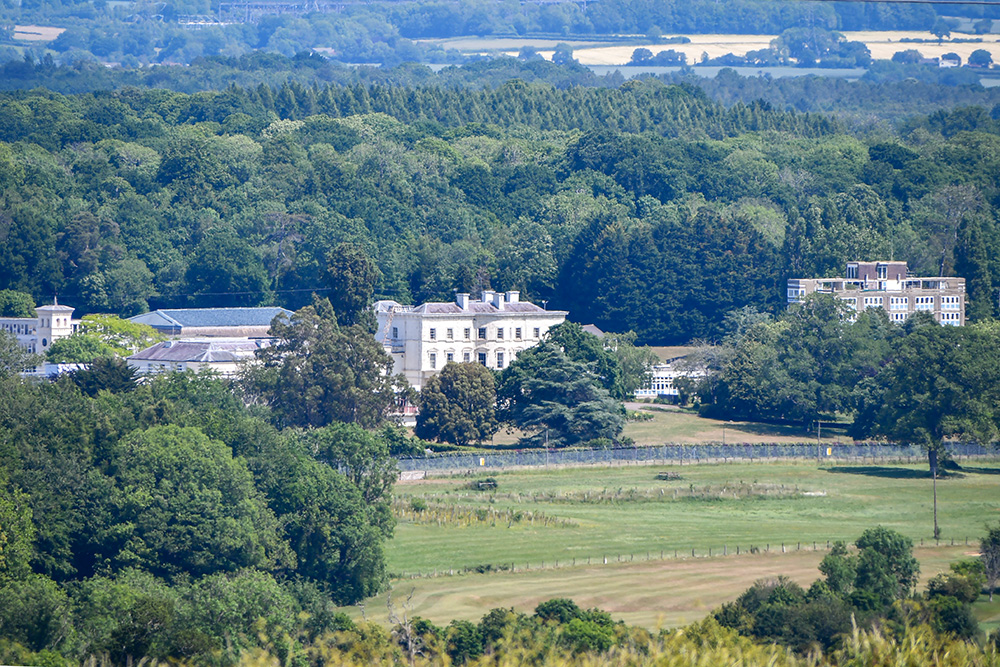
Southwick House from a distance © French Moments
The reason was practical as well as strategic. Southwick was close to the ports and embarkation points from which the invasion force would leave for Normandy. It was also close enough to Portsmouth to remain connected with the wider naval operation, while being more discreet than the city itself.
In the build-up to D-Day, the village was transformed. Southwick House and its surroundings were taken over by the military. Temporary buildings were erected. Personnel moved in. The quiet village became part of a huge machine preparing for the cross-Channel invasion of occupied France.
One of the most evocative details is the role of The Golden Lion pub.
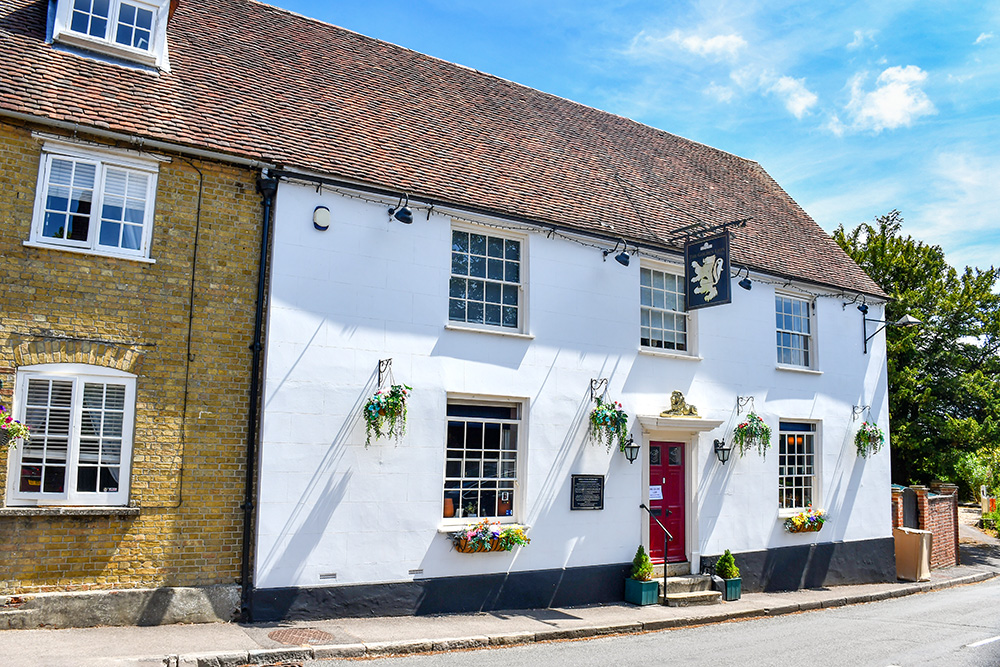
The Golden Lion, Southwick © French Moments
During the planning of D-Day, it served as an Officers’ Mess. Eisenhower and Montgomery are said to have spent time there, making Southwick not only a command centre, but also a human place where history unfolded in ordinary rooms, over meals, conversations and moments of pressure.
This is what makes Southwick so fascinating. It was not a battlefield. It was a place of planning, waiting and decision. The fighting would happen across the Channel. But before the ships sailed and the soldiers landed, the operation had to be imagined, organised and approved here.
Southwick House and the D-Day Map Room
The most famous room at Southwick House is the D-Day Map Room.
Inside, the great wall map used during the planning and launching of the Normandy landings is still preserved. It shows the English Channel, the south coast of England and the Normandy beaches. For the Allied commanders, it was not just a map. It was a strategic tool that helped them visualise one of the largest amphibious operations in history.
The Map Room is closely associated with Eisenhower’s decision to launch D-Day. The weather in early June 1944 was far from ideal. The original plan had to be postponed, and the decision to go ahead carried enormous risk. The words often linked with Eisenhower’s final decision — “OK, let’s go” — still echo through the story of Southwick House.
During Southwick Revival, guided tours of Southwick House and the D-Day Map Room are among the most sought-after experiences. They give visitors the chance to step inside a place that is normally difficult to access and to see the famous map in its historic setting.
For history lovers, this is probably the heart of the whole event.
Even if you do not take the tour, simply knowing that Southwick House stands nearby changes the way you experience the village. The military vehicles, the uniforms, the music and the reenactments all connect back to that central story: the preparation of D-Day and the liberation of France.
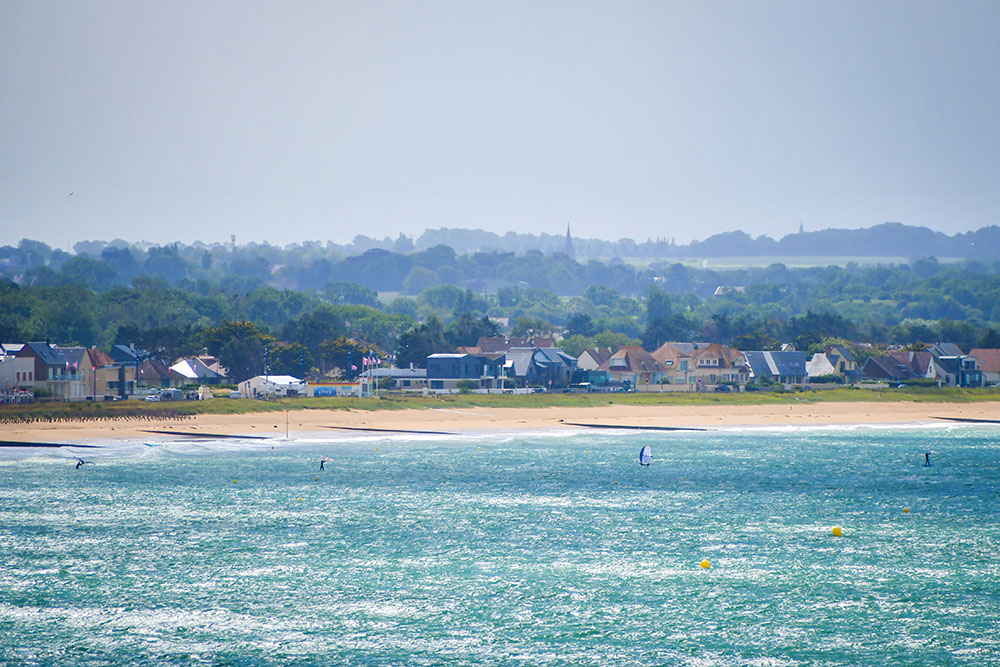
Normandy Beaches (Sword) © French Moments
The Link Between Southwick and France
At first, Southwick Revival might seem like an English event about British wartime history. But its connection with France could not be stronger.
The whole story of Southwick leads across the Channel to Normandy.
Operation Overlord was the Allied invasion of German-occupied France. The landings on 6 June 1944 opened the way for the liberation of Normandy, then Paris, and eventually much of Western Europe. For this reason, Southwick belongs not only to British history but also to French memory.
This is why I felt the event had a natural place here on our blog.
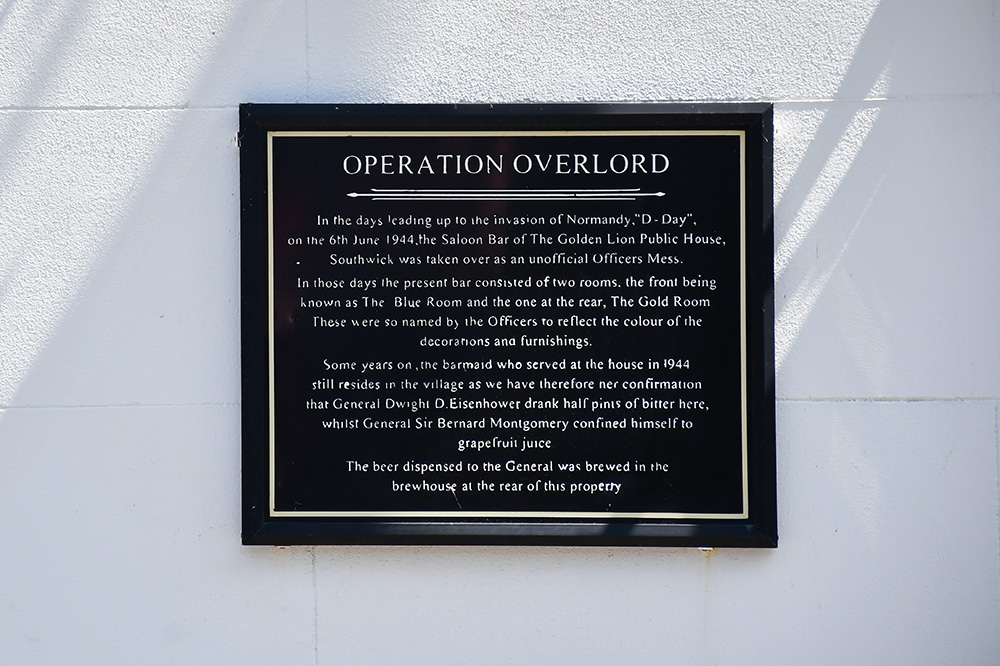
Plaque commemorating Operation Overlord © French Moments
Southwick reminds us that the liberation of France did not begin only on the beaches of Utah, Omaha, Gold, Juno and Sword. It also began in places like this: in English villages, naval bases, military camps, planning rooms and departure points.
There is something moving about that connection. Standing in Southwick, you are in England, but the story pulls you towards France. The uniforms and vehicles belong to the Allied world of 1944, but the destination was Normandy. The purpose was liberation.
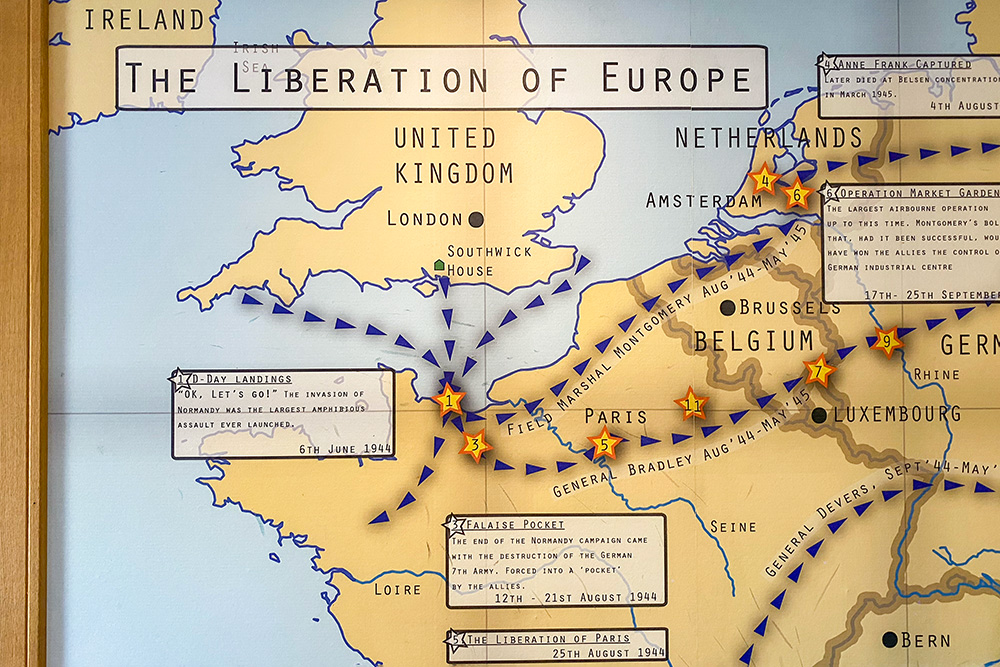
Map of the Liberation of Europe, Southwick Tea-Room
For French visitors, or anyone with an interest in France, Southwick Revival offers a different way to approach D-Day. Instead of beginning the story in Normandy, it invites you to look at what happened before: the planning, the waiting, the uncertainty and the immense logistical effort that made the landings possible.
What is Southwick Revival?
Southwick Revival is a two-day living history event held in the village of Southwick. The 2026 edition took place on 6 and 7 June, very close to the anniversary of D-Day itself.
Across the village, different areas bring the wartime story to life. There are military vehicles, reenactors, historic displays, talks, music, vintage markets, food stalls, family activities and guided experiences. Visitors come in modern clothes or in 1940s outfits, and the whole village takes on a festive yet respectful atmosphere.
What I liked most was the variety.
Some parts of the event are educational and reflective. Others are lively and fun. You can listen to wartime songs, watch a motorcade, speak with reenactors, explore displays, enjoy food in the village, and then find yourself thinking about the enormous seriousness of what happened here in 1944.
It is this mixture that makes Southwick Revival work so well. It is not a dry history lesson, but neither is it simply entertainment. It sits somewhere between commemoration, village festival, reenactment and open-air museum.
Military Vehicle Motorcade and Display
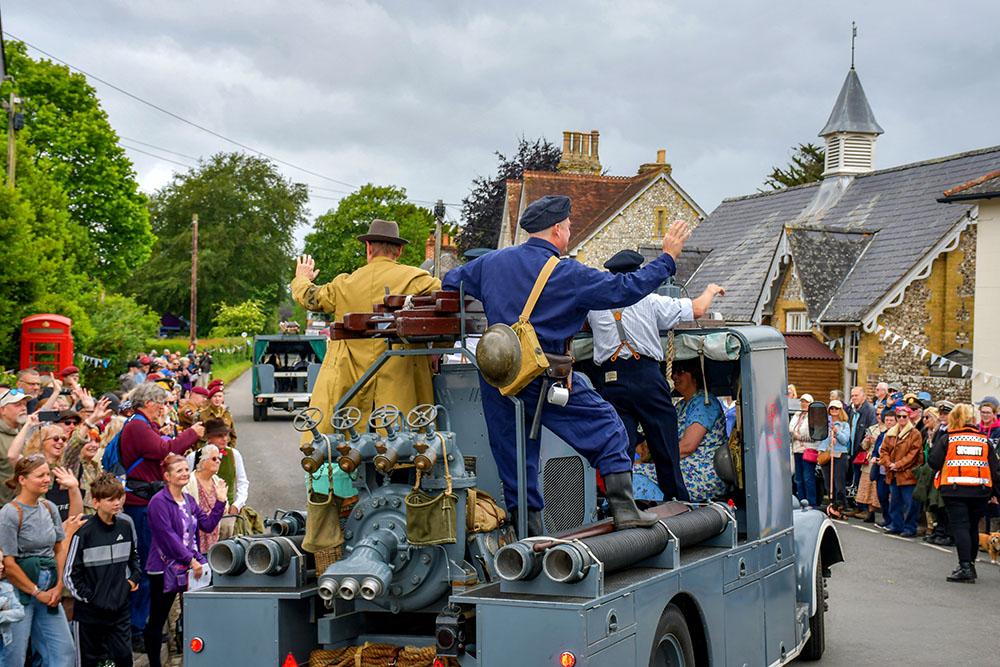
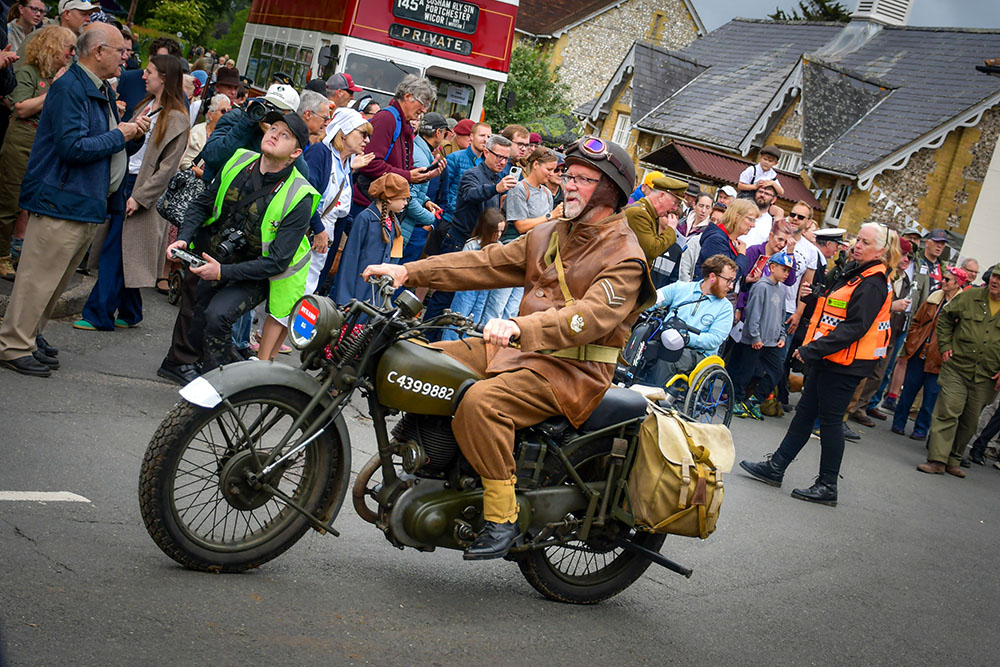
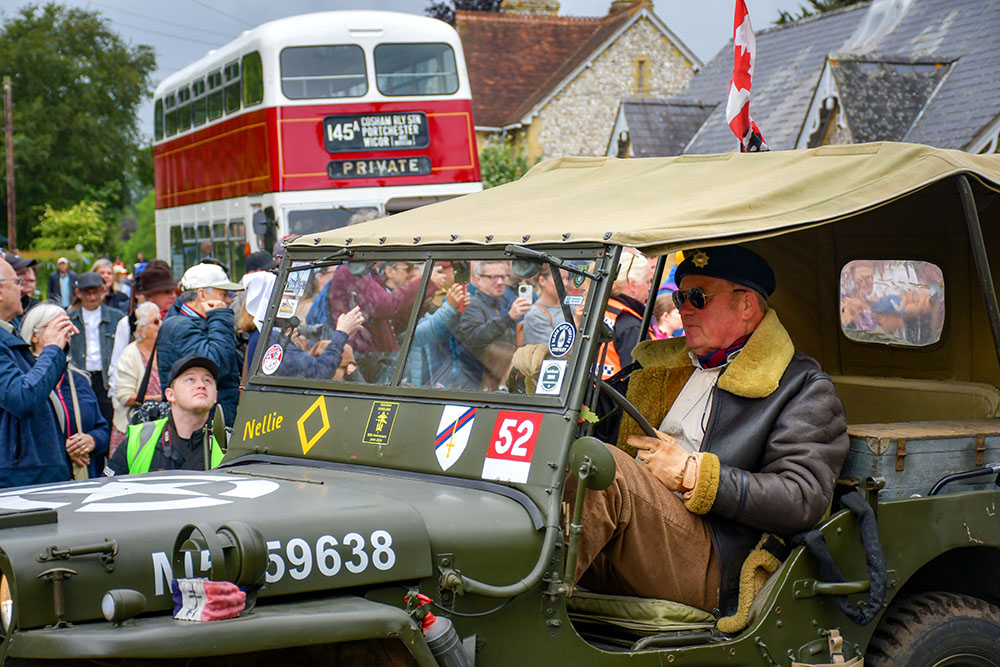
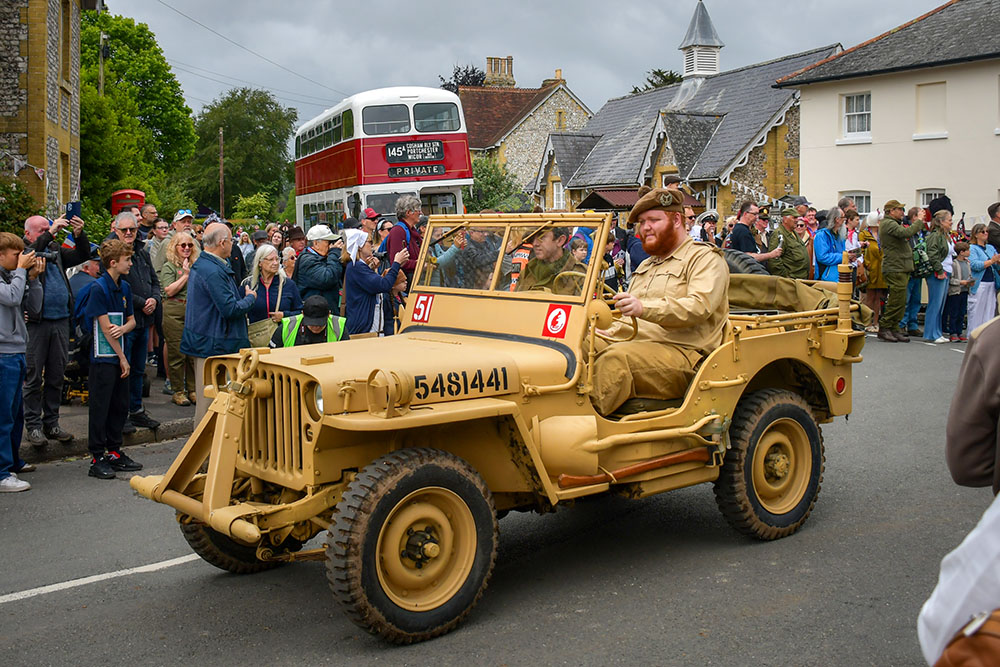
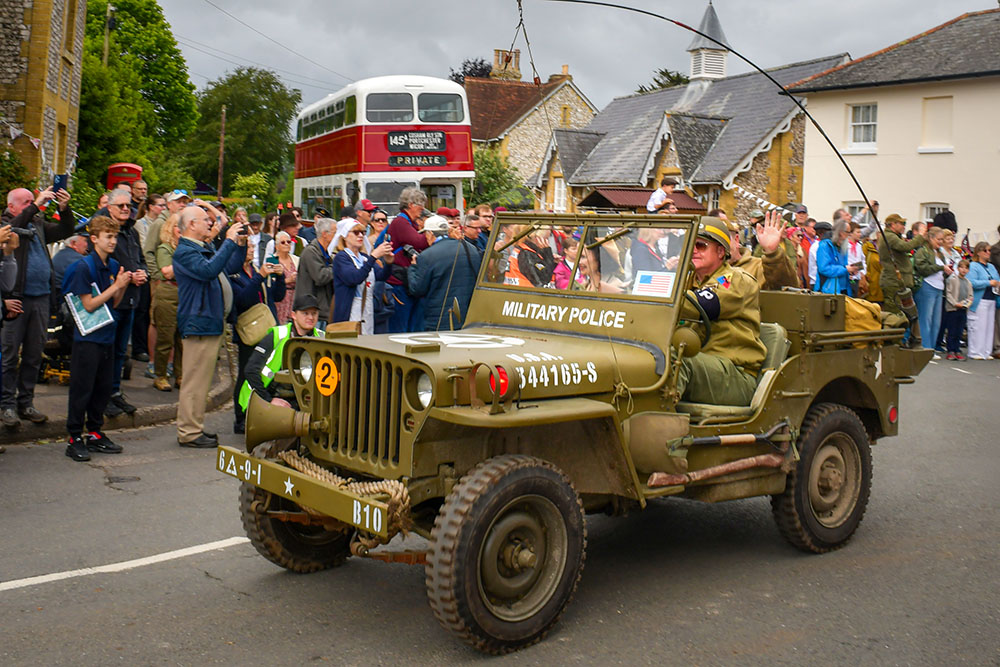
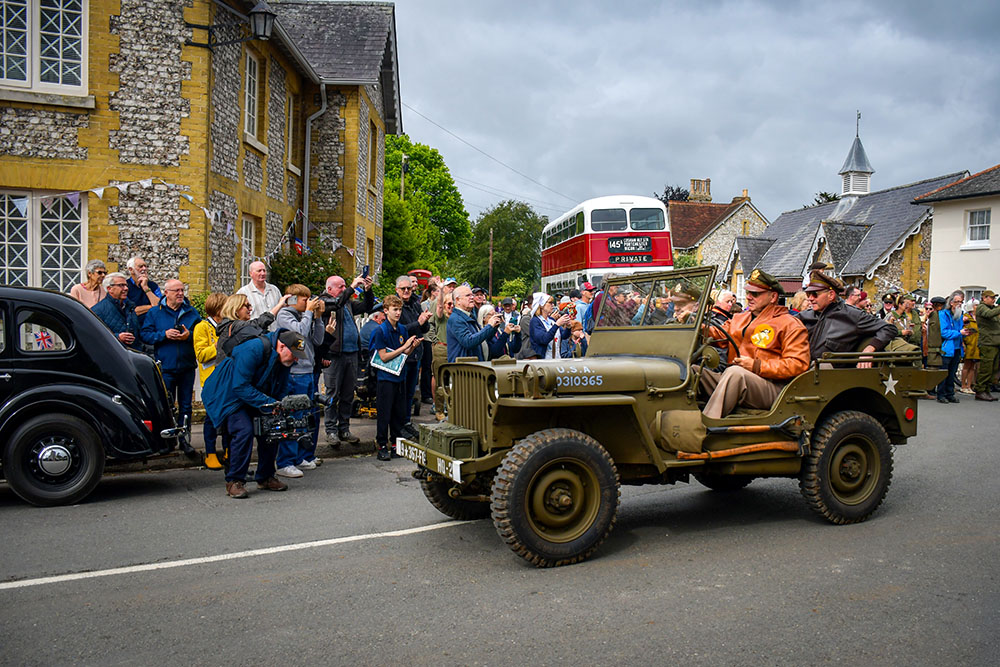
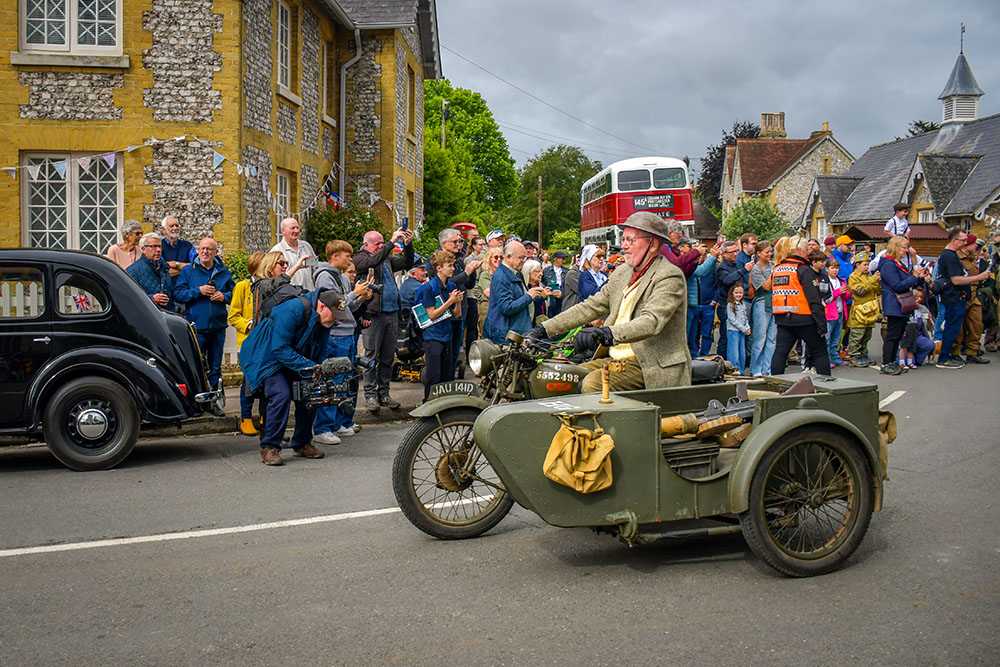
One of the most spectacular parts of Southwick Revival is the Military Vehicle Motorcade and Display.
Historic military vehicles are a major feature of the event, and they help create the sense that the 1940s have returned to the village for the weekend.
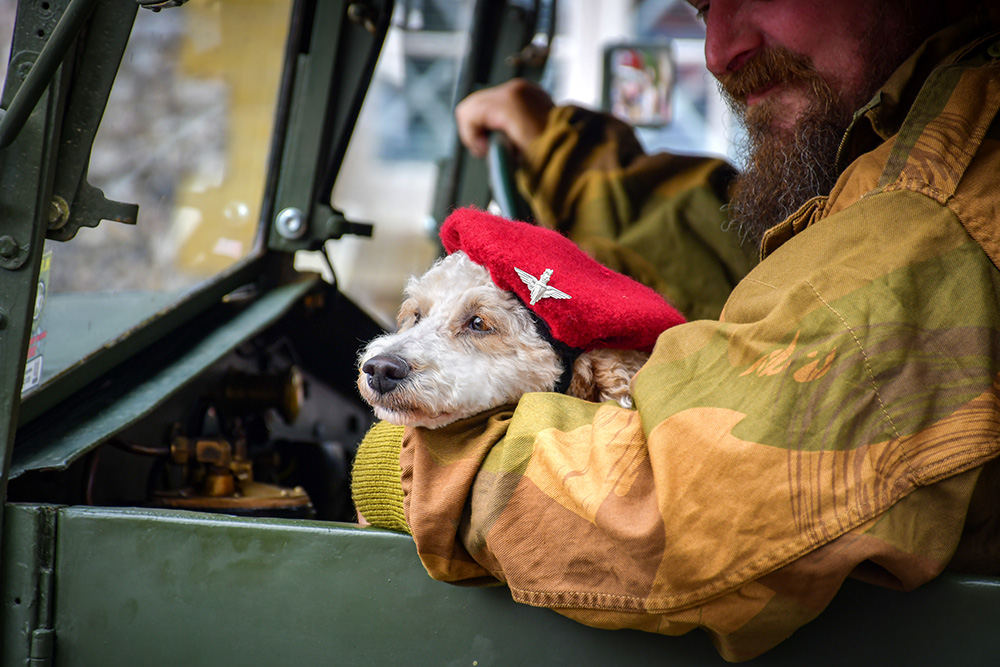
Jeeps, trucks, motorcycles and other vehicles bring the story to life in a very physical way. You do not just read about wartime movement and logistics. You see it, hear it and feel it.
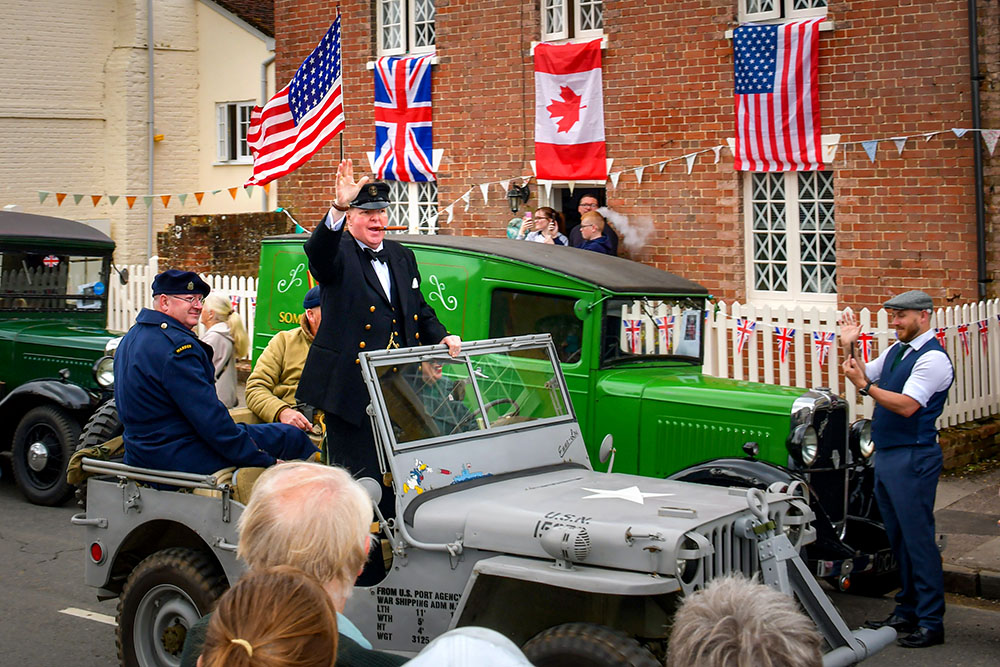
For children, this is often one of the most exciting parts of the day. For adults, especially those interested in military history, the vehicles are fascinating pieces of engineering and memory.
The sound of engines moving through a quiet Hampshire village is part of the experience. It reminds you that D-Day was not only about strategy and courage, but also about transport, fuel, maintenance, roads, timing and coordination. The invasion of Normandy depended on thousands of moving parts — literally and figuratively.
The French Quarter
The French Quarter was one of the areas I was most interested to see, because it gives Southwick Revival a very clear French connection.
This part of the event recreates something of the atmosphere of occupied and liberated France. There is music, culture, dancing, performances and a pétanque court, all helping to create a corner of France in the middle of an English village.
It is a lovely idea, because it reminds visitors what the Allied operation was ultimately about. Behind the maps, uniforms and military vehicles was the liberation of real towns, villages and families in France.
The French Quarter also celebrates Franco-British friendship. That matters. D-Day is often told through military statistics, beaches and commanders. But it is also a story of nations connected by geography, history and sacrifice.
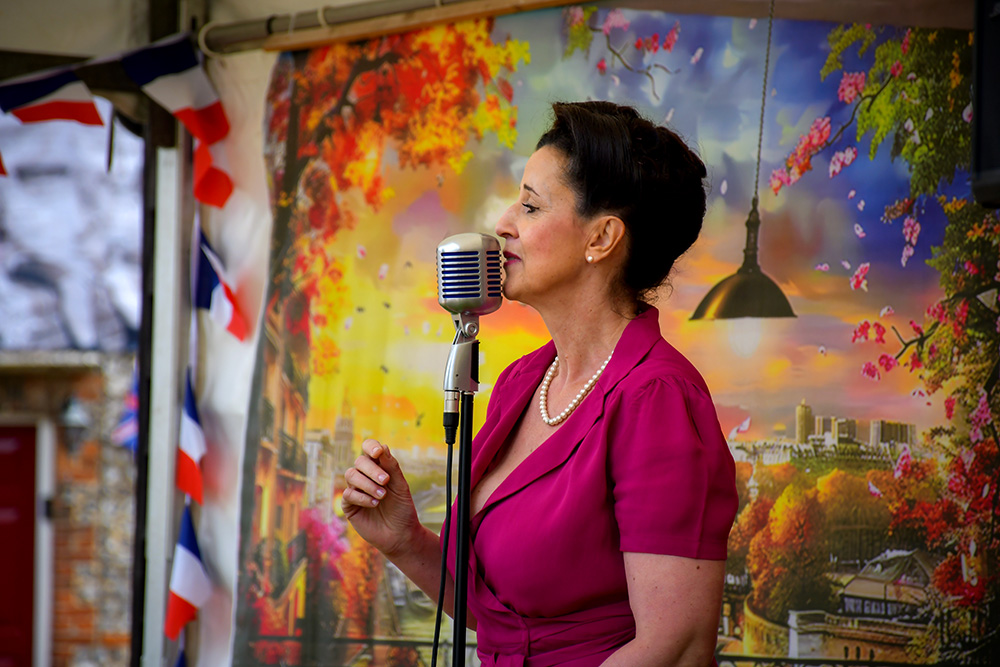
Muriele the French Singer © French Moments
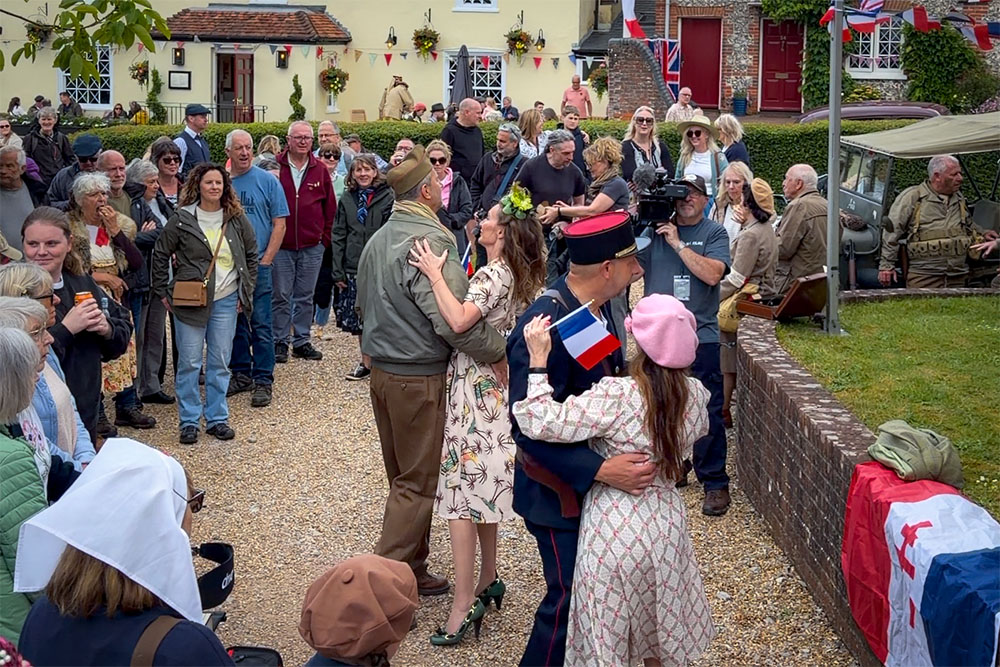
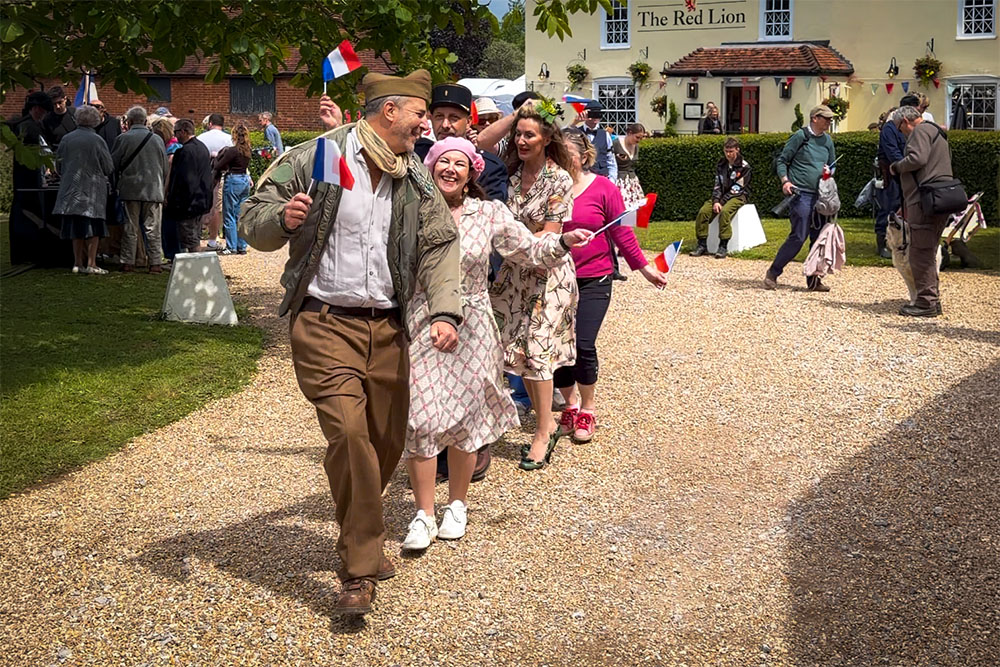
For a French person living in England, this part of Southwick Revival felt particularly symbolic. Here was a Hampshire village remembering the liberation of France, not in a distant or formal way, but with music, dancing and a sense of shared memory.
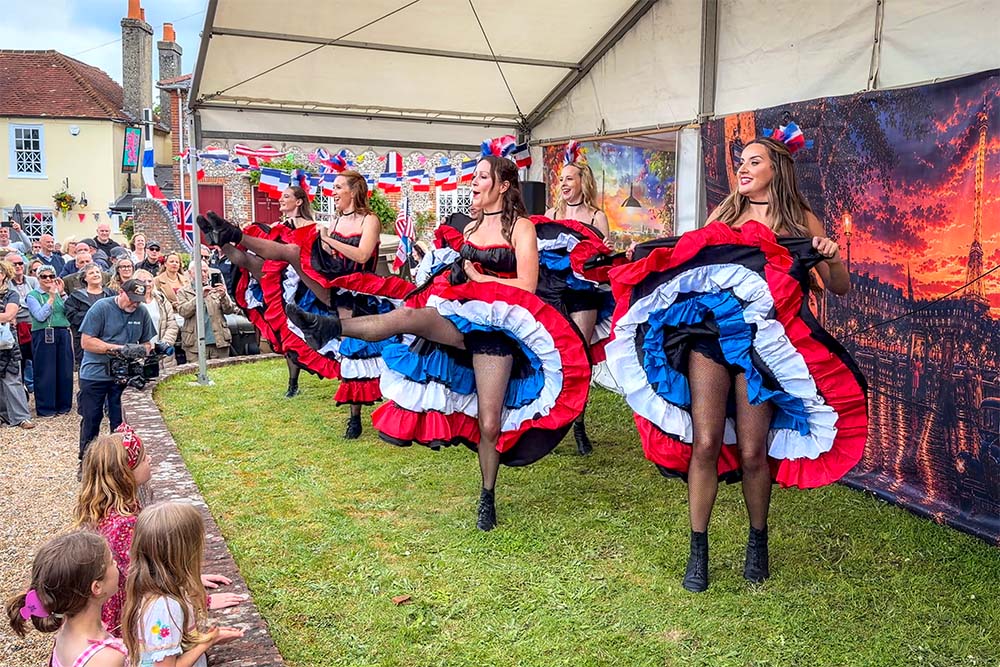
French CanCan at the French Quarter © French Moments
Squires Paddock: A Family-Friendly Area
Southwick Revival is very family-friendly, and Squires Paddock is one of the areas that shows this best.
This part of the event offers a more active and accessible experience, with field gun displays and competitions, vintage fairground attractions, food and refreshment stalls, and plenty of movement and atmosphere.
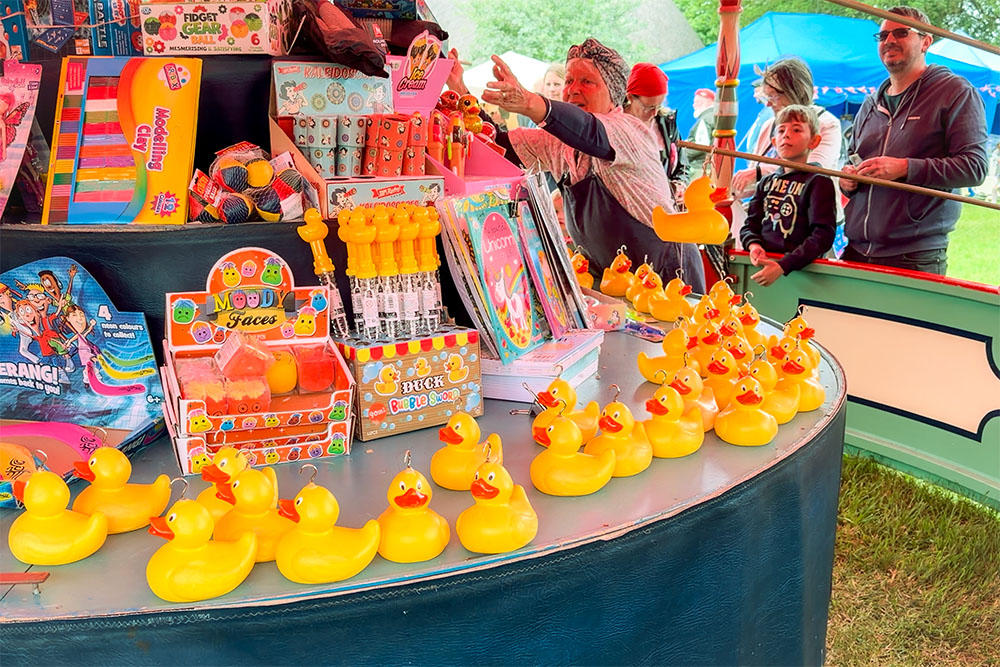
The duck stall © French Moments
Because I visited with my family, I appreciated the fact that Southwick Revival is not only designed for military history specialists. Of course, there is a great deal for enthusiasts to enjoy, but the event is also easy to experience with children. There is always something to look at, listen to or explore.
Squires Paddock adds energy to the day. It gives the event a festival feel without losing the historical setting. That balance is important, because it allows families to engage with the past in a relaxed and memorable way.
Place Woods and the 21st Army Group D-Day Camp Experience
Place Woods offers a very different atmosphere.
Here, the 21st Army Group D-Day Camp Experience recreates the build-up to the Normandy landings in a woodland setting. Visitors can explore tents, equipment and displays, and meet reenactors who help explain the life and organisation of the forces preparing for Operation Overlord.
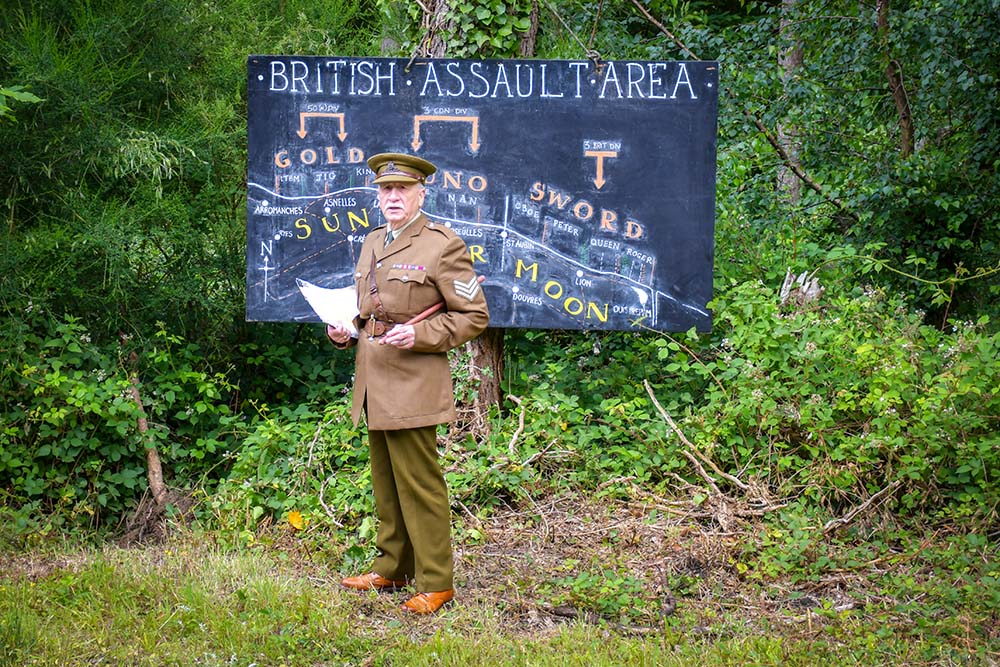
Place Woods © French Moments
The setting in the woods makes this area feel more immersive and reflective. Away from the busiest parts of the village, it is easier to imagine the waiting, preparation and uncertainty of the days before D-Day.
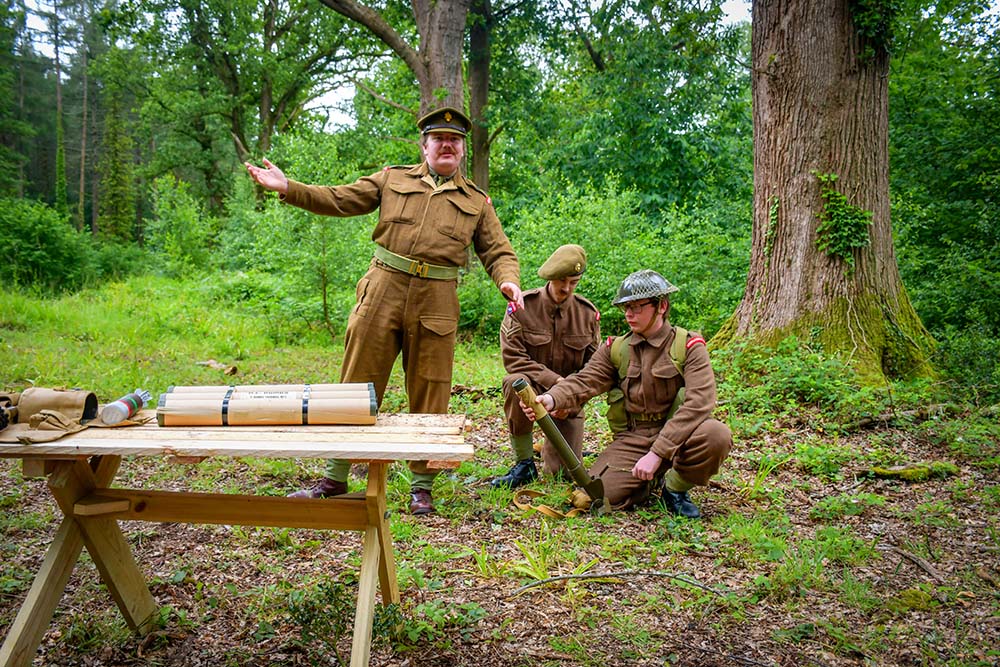
Place Woods © French Moments
This is one of the strengths of Southwick Revival. It does not present history in only one way. In the village, there is music and movement. Around the vehicles, there is spectacle. In the French Quarter, there is culture and liberation. In Place Woods, there is a quieter sense of preparation and military life before the crossing to Normandy.
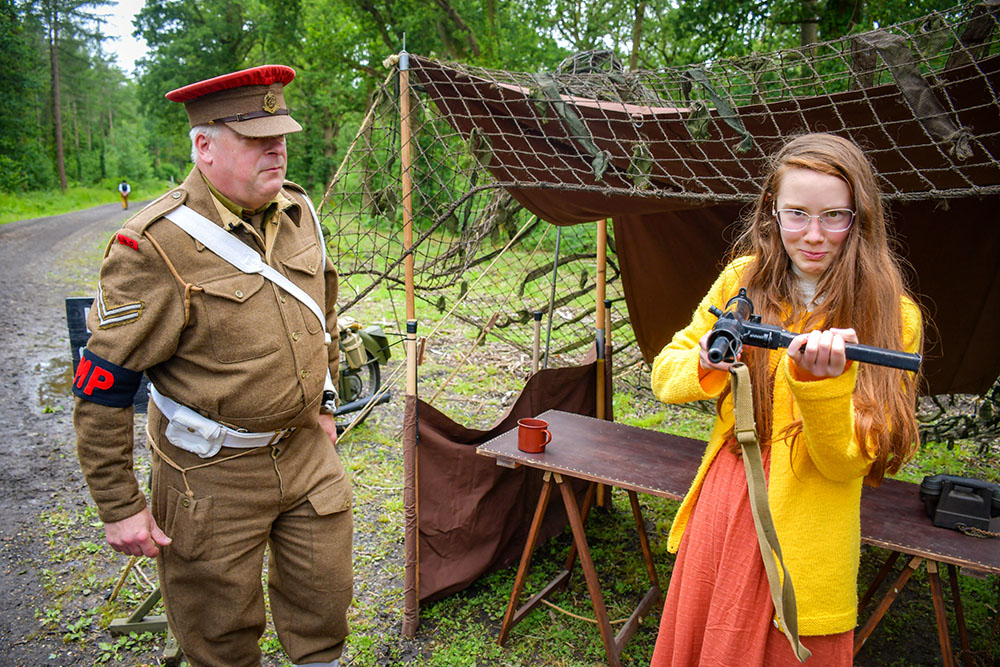
Our daughter Aimée armed and dangerous! © French Moments
Southwick House and Fort Southwick Tunnels Tours
For many visitors, the guided tours are among the highlights of Southwick Revival.
The D-Day Map Room Tour offers access to Southwick House and the famous wall map. Tickets are limited, and the tour includes transport to and from the house, a talk in the Map Room and access to the Royal Military Police Museum.
There is also the Fort Southwick Tunnels Experience, another special part of the wider Southwick wartime story. These tours offer a deeper understanding of the military infrastructure that surrounded the area during the war.
If you are planning to attend Southwick Revival in the future and want to visit these special sites, it is worth checking ticket availability early. Access is limited, and Southwick House is not a place you can simply wander into on the day.
Even without taking one of these tours, the presence of Southwick House gives the entire event its historical weight. But if you have the opportunity to see the Map Room, it must be one of the most meaningful D-Day experiences in England.
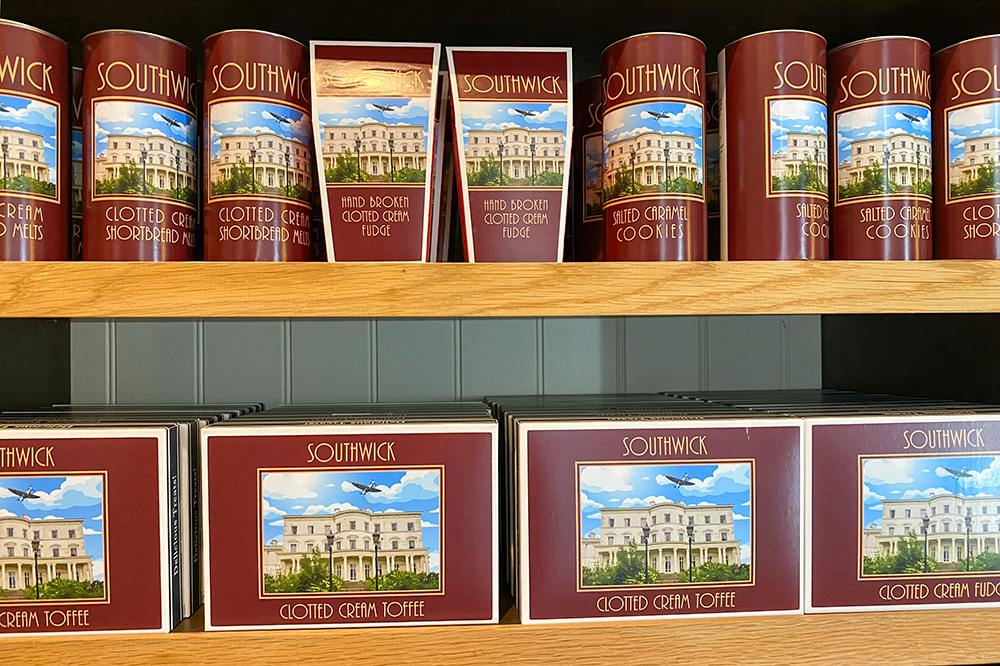
Southwick House © French Moments
Music, Vintage Markets and 1940s Atmosphere
Beyond the military displays and historical tours, Southwick Revival also captures the atmosphere of the 1940s through music, fashion and village life.
There are live performances, vintage stalls, a 1940s market, dancing, best-dressed competitions and entertainment around the village. The pubs, especially The Golden Lion and The Red Lion, add to the sense of place. They are not just refreshment stops. They are part of the story.
The Village Green also plays an important role, acting as a central hub for music, parades, commemorative moments and community gatherings.
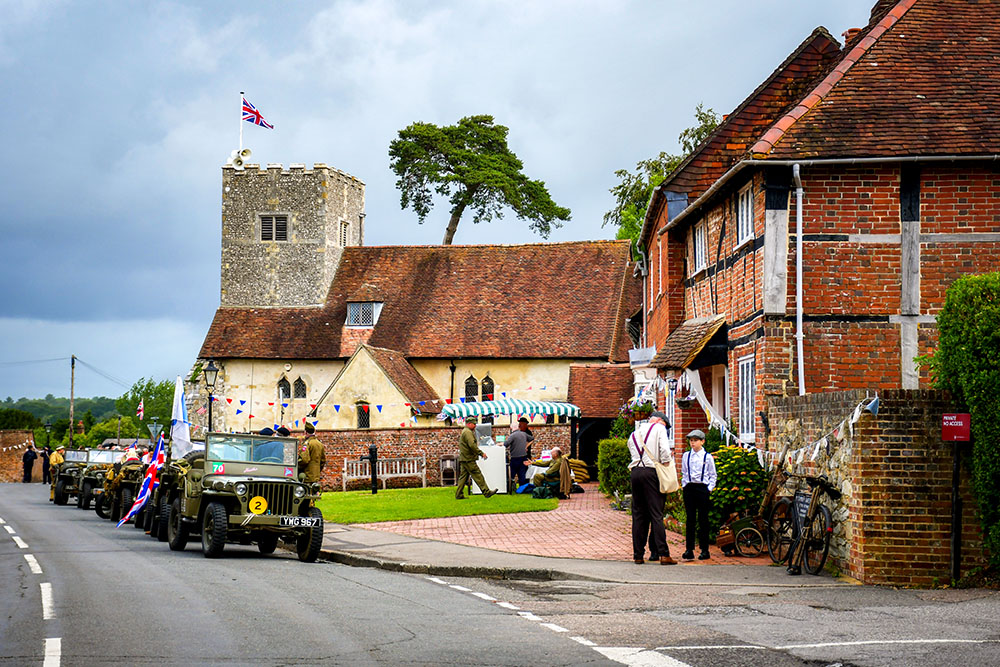
The village green © French Moments
This wider atmosphere is what makes the event enjoyable even for visitors who may not know much about D-Day before they arrive. You can come for the history, but you can also enjoy the music, the costumes, the food and the sense of occasion.
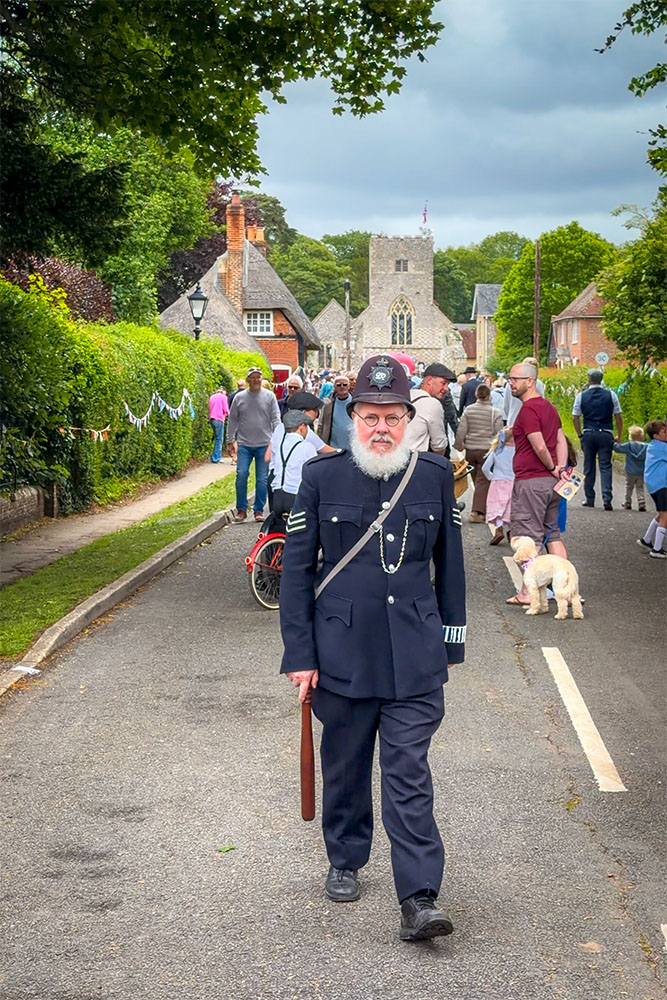
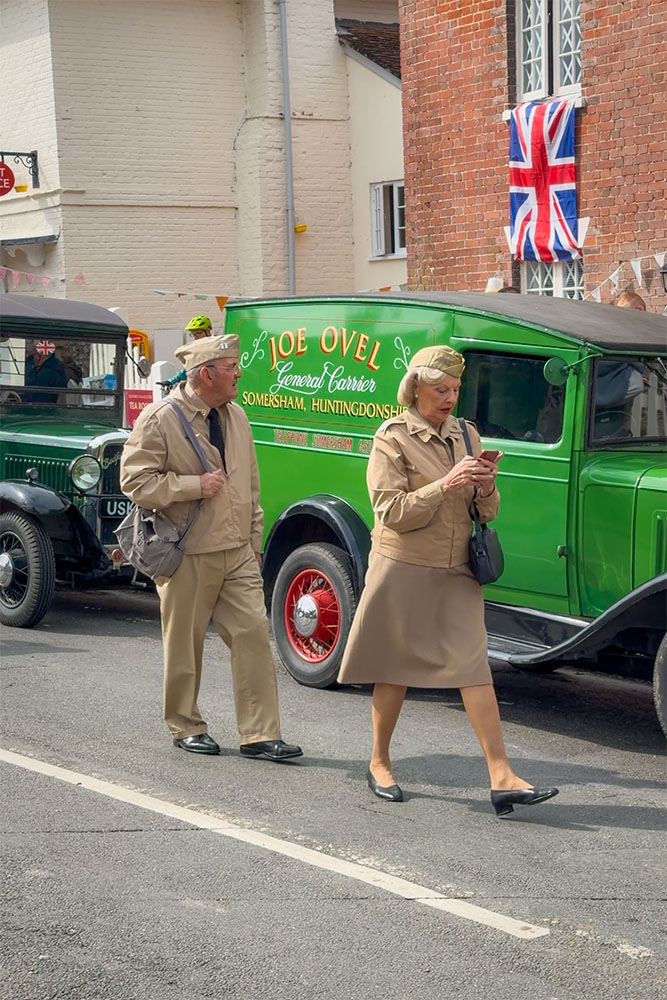
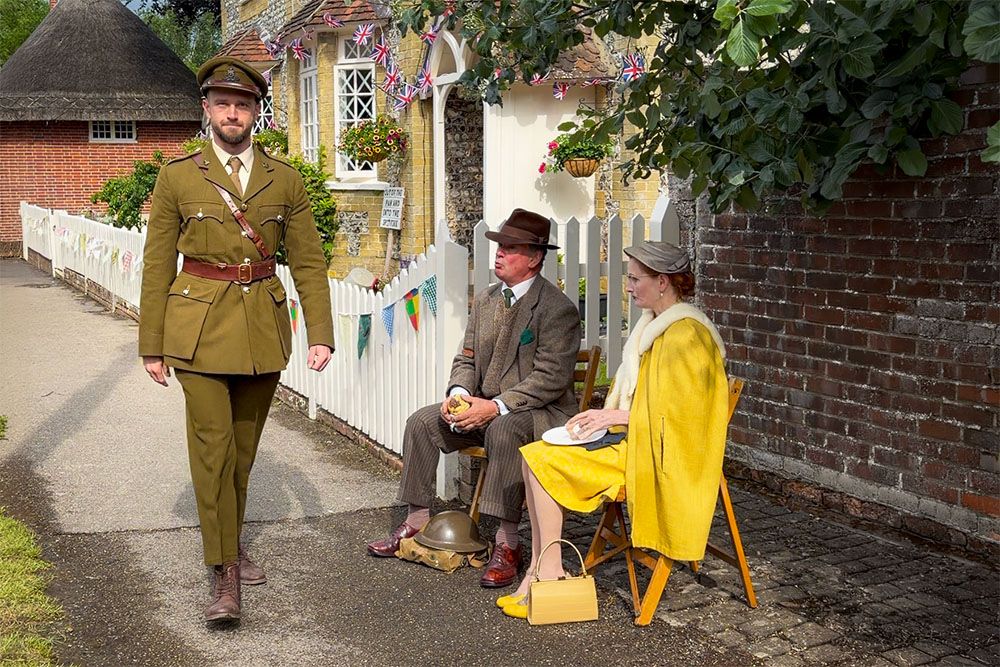
And perhaps that is the best way to learn. History becomes memorable when it is attached to real places, sounds, faces and experiences.
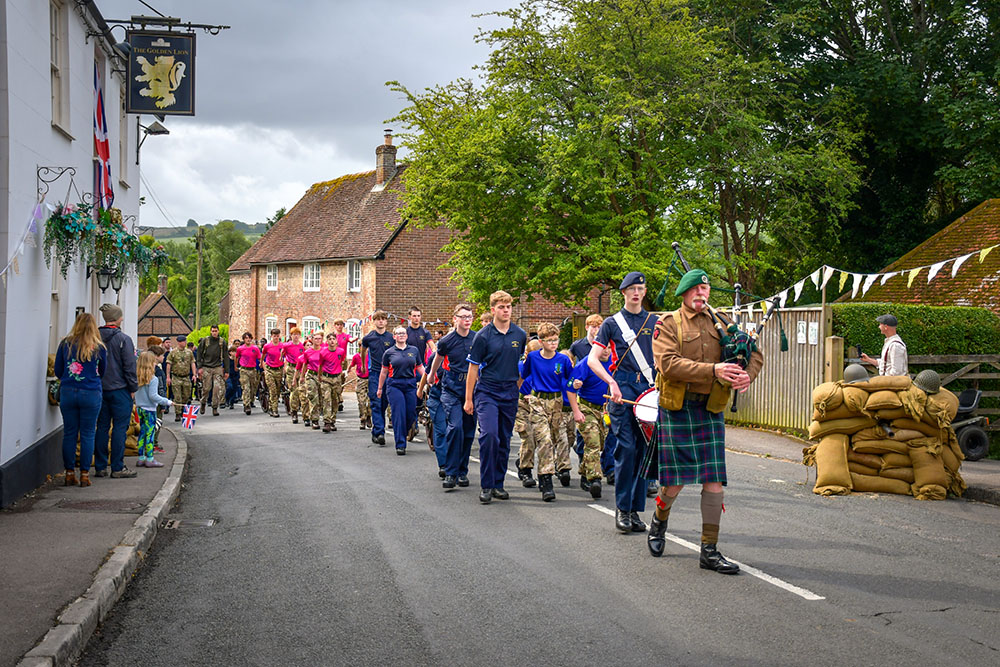
Parade entering Southwick © French Moments
Tips for Visiting Southwick Revival
If you are thinking of visiting Southwick Revival in the future, here are a few practical tips.
First, check the official website before you go. The programme may change from year to year, and some experiences require separate tickets.
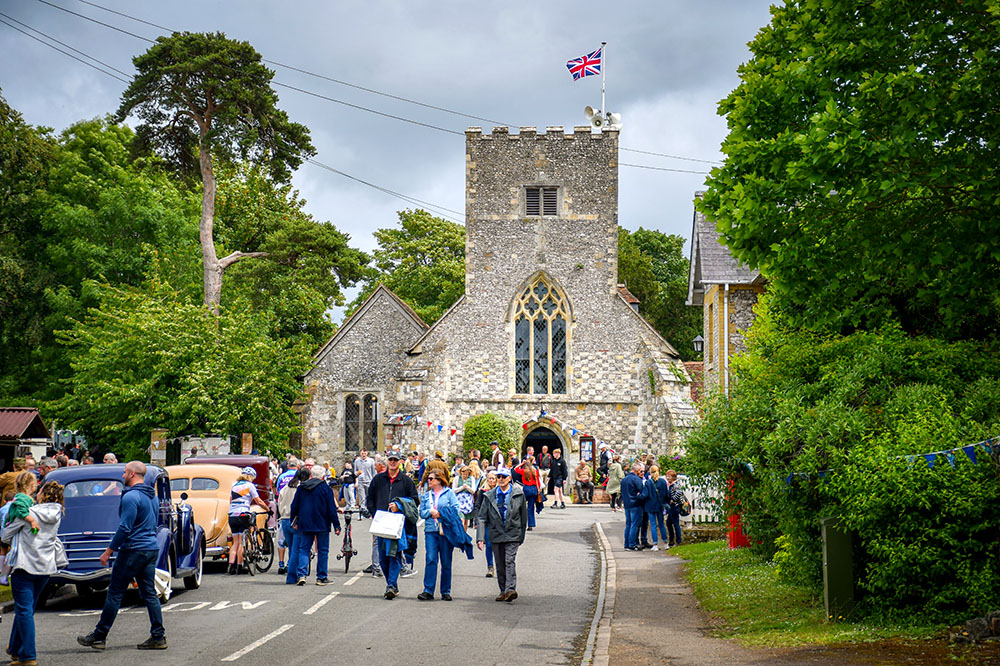
Southwick © French Moments
Second, arrive early if you want to make the most of the day. There is a lot to see across different parts of the village, and it is worth allowing enough time to wander without rushing.
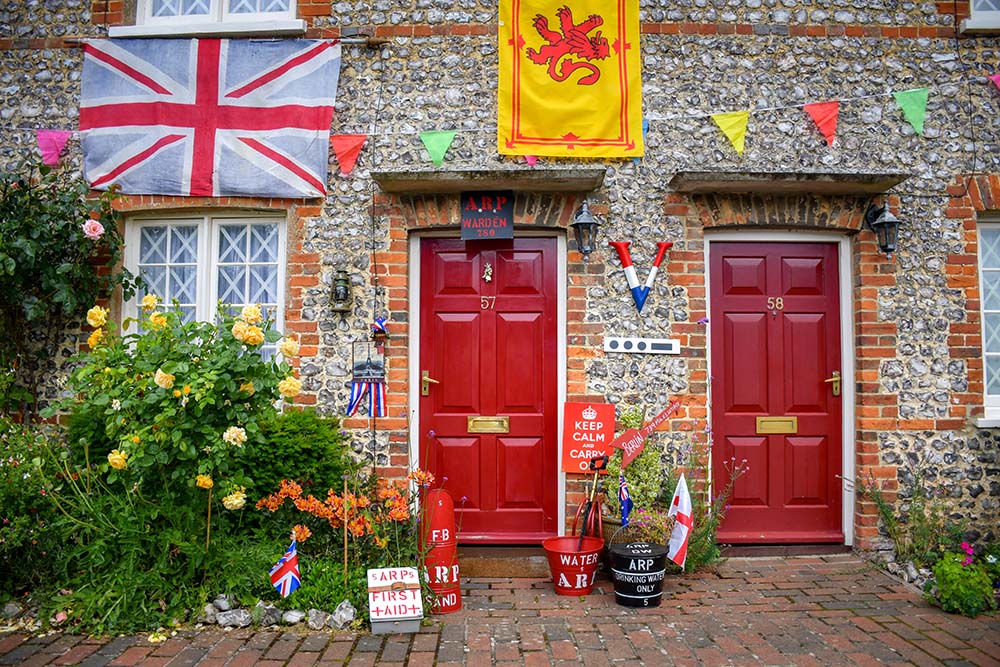
Southwick © French Moments
Third, wear comfortable shoes. Southwick Revival is spread across several areas, including village streets, paddocks and woodland spaces.
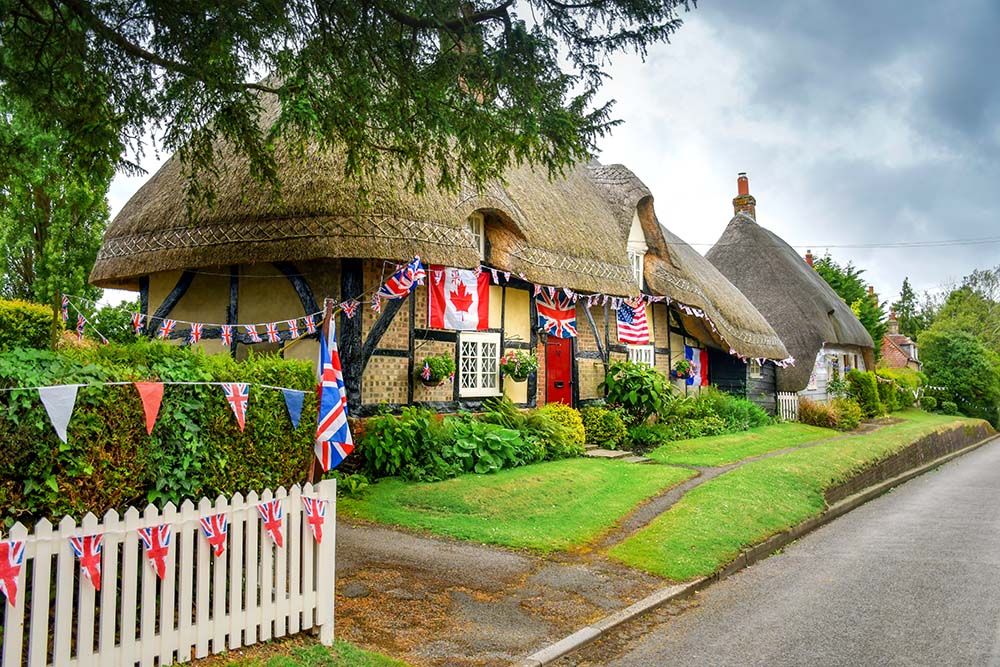
Southwick © French Moments
Fourth, book special tours in advance if you want to visit the D-Day Map Room or the tunnels. These are limited experiences and likely to be popular.
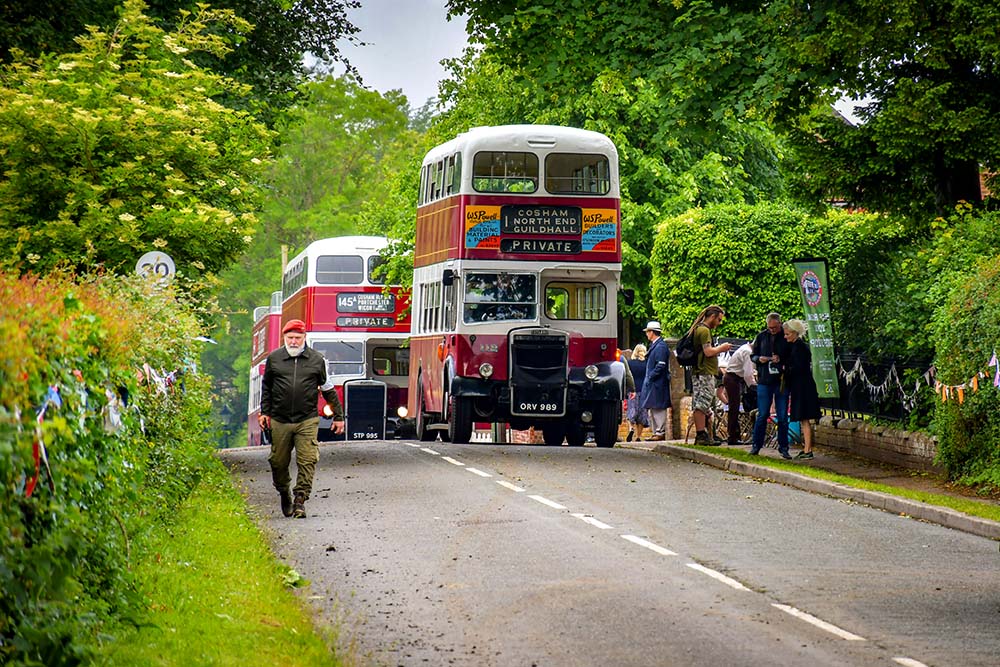
Buses leading to Southwick House © French Moments
Finally, bring curiosity. You do not need to be a military history expert to enjoy Southwick Revival. The event is accessible, visual and varied, which makes it a good day out for families as well as history enthusiasts.
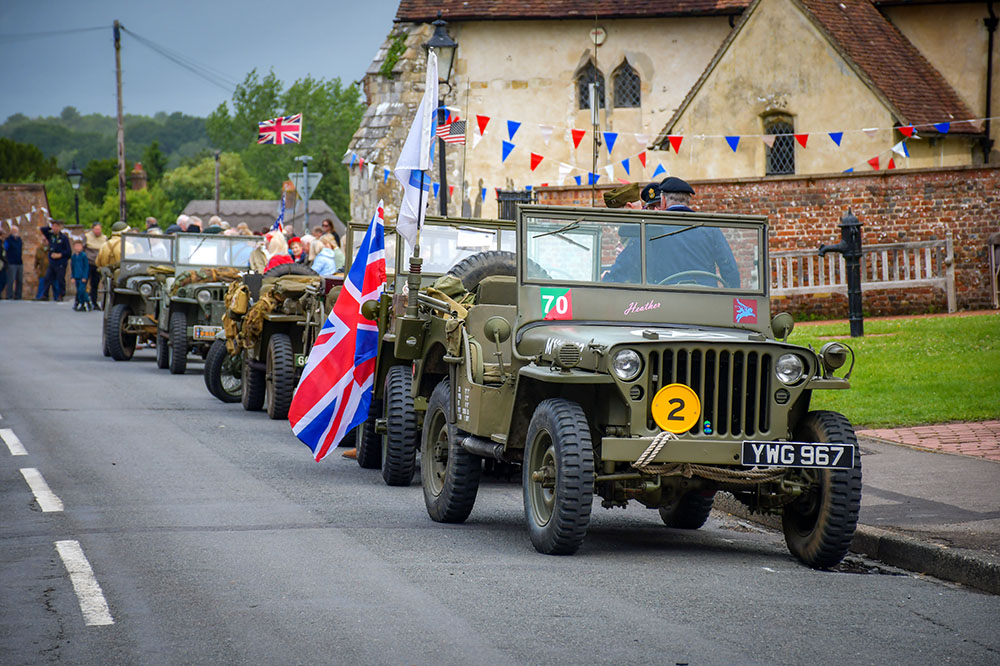
Southwick © French Moments
Why Southwick Revival Matters
Southwick Revival matters because it connects a quiet English village with one of the defining events of the twentieth century.
It reminds us that D-Day was not only a moment on the beaches of Normandy. It was the result of months of preparation, planning, courage and uncertainty. It involved soldiers, sailors, airmen, commanders, drivers, engineers, local communities and countless people whose names are not always remembered.
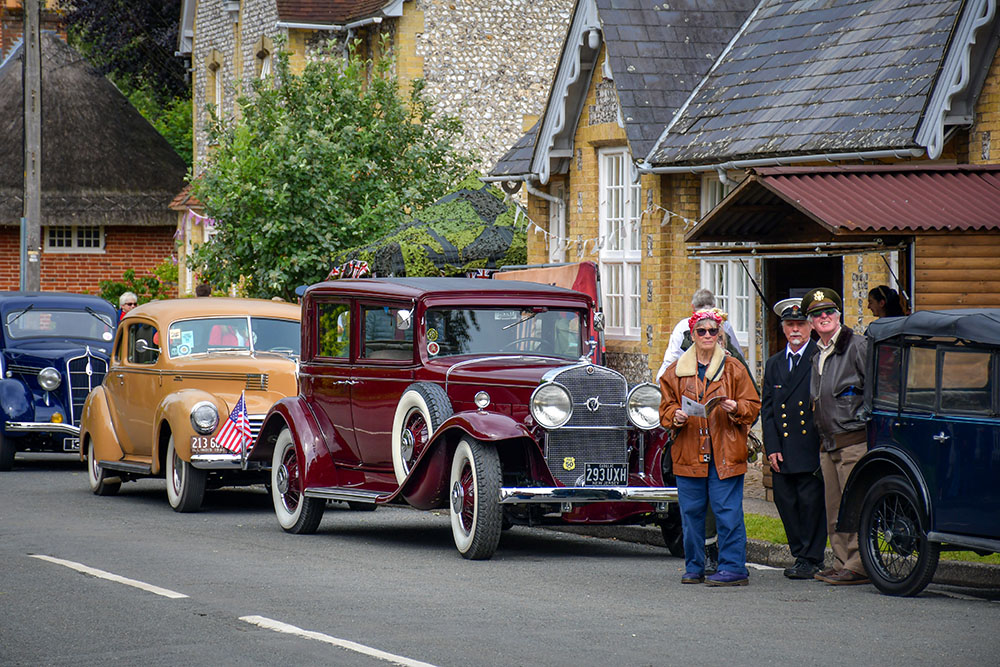
Southwick © French Moments
For me, visiting Southwick Revival on 7 June 2026 was a powerful reminder of how close this history is to where I now live. Portsmouth, Southwick and the Hampshire coast were all part of the road to Normandy.
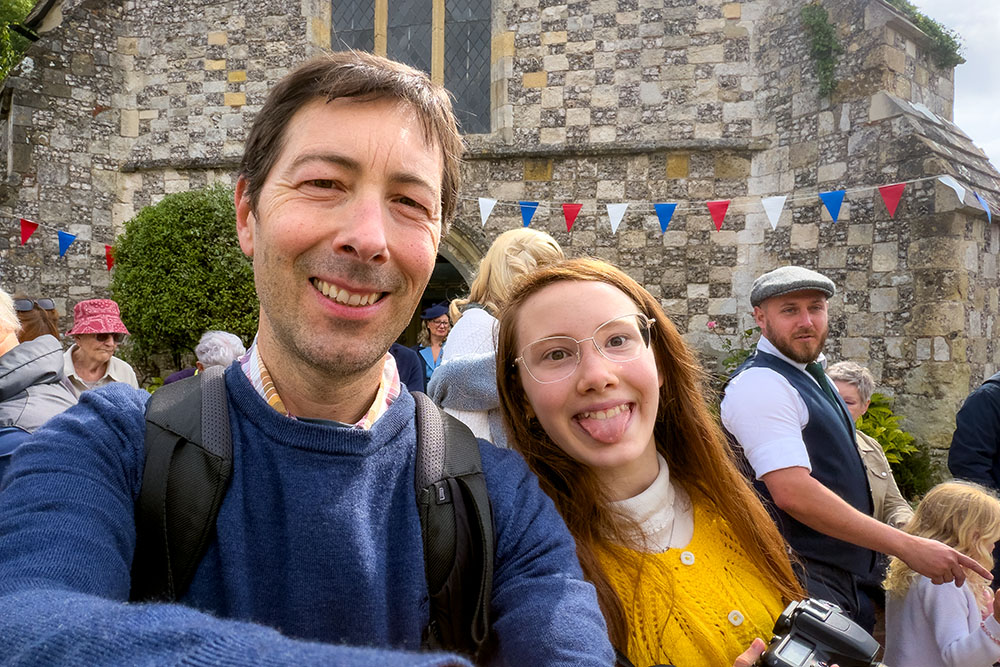
Me and Aimée at Southwick Revival © French Moments
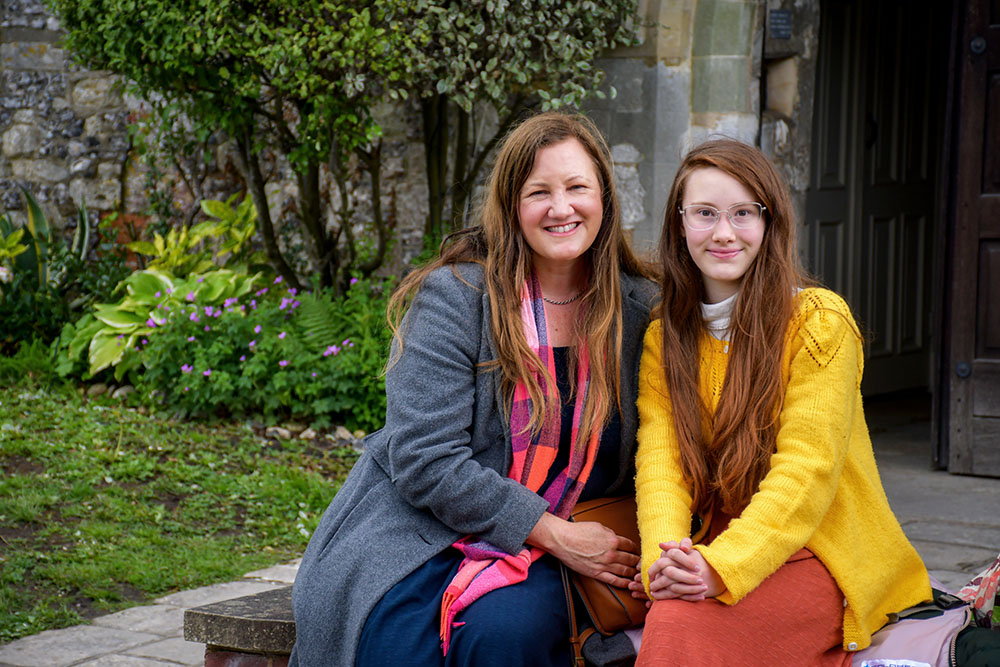
Rachel and Aimée © French Moments
And for anyone who loves France, that matters.
Because the story of Southwick leads directly to the liberation of France.
Southwick Revival brings that story to life in a way that is accessible, moving and memorable. It is a village festival, a living history event and a commemoration all at once. But above all, it is a reminder that history is often closer than we think.
Sometimes, it is just down the road.